

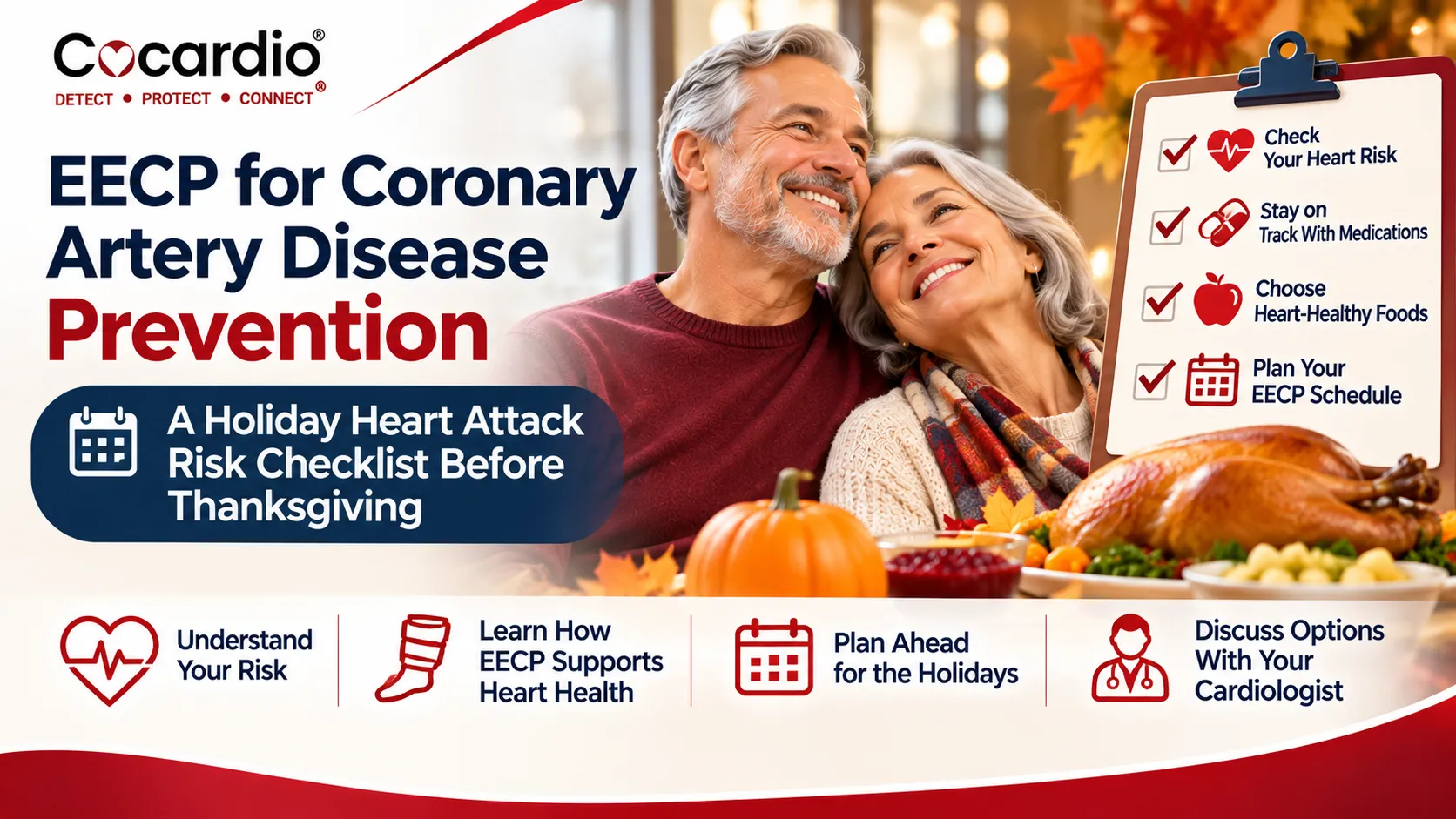

Thanksgiving is a time for family gatherings, festive meals, and travel, but it can also disrupt the routines that support cardiovascular health. For people living with coronary artery disease (CAD), changes in eating habits, physical activity, stress, and medication schedules deserve particular attention. Patients researching eecp for coronary artery disease prevention should understand that EECP may help relieve symptoms in certain people with refractory chronic stable angina, but it has not been proven to prevent heart attacks or reverse coronary artery disease. With Thanksgiving falling on November 26, 2026, this guide explains how to prepare for the holiday, recognize warning signs, and discuss appropriate heart care with your healthcare team.
EECP for Coronary Artery Disease Prevention – What Patients Should Know Before Thanksgiving
Coronary artery disease develops when plaque accumulates in the arteries supplying blood to the heart muscle. It can contribute to angina, shortness of breath, heart attacks, and other cardiovascular complications. Although eecp for coronary artery disease prevention is a search phrase patients may encounter, the treatment’s established clinical role is much narrower than preventing coronary events. Current U.S. cardiology guidelines state that EECP may be considered for symptom relief in selected patients with refractory angina and no other treatment options.
Does Thanksgiving Increase Heart Attack Risk?
Holiday celebrations can introduce temporary changes in diet, sleep, stress, alcohol consumption, and physical activity. Research cited by the American Heart Association has identified increased cardiac deaths during the Christmas and New Year period, although this does not establish an equivalent Thanksgiving-specific increase. People with coronary artery disease should remain attentive to their symptoms throughout the holiday season rather than assume any particular day is uniquely dangerous. Preparing ahead can make it easier to follow prescribed treatment and respond appropriately if concerning symptoms develop.
1. Review Your Heart Symptoms Before Thanksgiving
The days before a major holiday provide an opportunity to review any changes in cardiovascular symptoms. Pay attention to chest discomfort, unusual shortness of breath, reduced activity tolerance, or symptoms that appear more frequently than usual. Patients with established chronic stable angina should understand their clinician’s instructions for managing predictable symptoms. New, worsening, prolonged, or severe chest pain should never be treated as a routine part of holiday stress.
Know the Warning Signs of a Heart Attack
Heart attack symptoms may include chest pressure, squeezing, fullness, or pain that persists or returns. Discomfort may also involve the arms, back, neck, jaw, or stomach, and some people experience shortness of breath, nausea, sweating, or lightheadedness. Symptoms can vary between individuals, and not every heart attack begins with sudden severe chest pain. Call 911 immediately if you suspect a heart attack, even if you are unsure what is causing the symptoms.
2. Take Your Prescribed Medications as Directed
Holiday travel and changes in daily routines can make medication schedules harder to maintain. People with coronary artery disease may take medications to manage cholesterol, blood pressure, angina, or other cardiovascular conditions. Skipping prescribed doses or changing medication without medical guidance can create avoidable risks. Before traveling, check that you have enough medication for the full trip and understand your prescribed schedule.
Create a Simple Medication Checklist
Keep an updated medication list that includes prescribed dosages and relevant instructions from your healthcare team. Store necessary medication in an accessible location and follow appropriate storage recommendations. If you are crossing time zones or expect significant changes to your schedule, ask your clinician or pharmacist how to maintain your routine. Never stop or reduce cardiovascular medication simply because you feel better during the holiday.
3. Plan a Heart-Conscious Thanksgiving Meal
Traditional Thanksgiving meals can include large portions, salty foods, and rich desserts. People managing cardiovascular conditions may benefit from planning meals that align with their clinician’s dietary recommendations. Vegetables, fruits, whole grains, and appropriate lean protein choices can form part of a heart-conscious eating pattern. Patients who have been advised to restrict sodium, fluids, or certain foods should continue following those individualized instructions during celebrations.
Build a Balanced Thanksgiving Plate
Start with vegetables and other foods that fit your established dietary plan. Consider portion sizes when choosing rich side dishes, processed foods, and desserts. Cooking methods such as roasting, steaming, or baking may provide alternatives to preparations involving substantial added saturated fat. A single holiday meal does not determine long-term cardiovascular health, but maintaining consistent habits can support risk-factor management.
4. Manage Stress, Sleep, and Holiday Activities
Preparing meals, hosting visitors, and traveling can create physical and emotional demands. Stress may affect how some people experience angina symptoms, although chest pain should never automatically be dismissed as anxiety. Adequate rest and realistic scheduling can help people avoid unnecessary fatigue during busy holiday periods. Patients should follow medical guidance about physical exertion, particularly when symptoms are triggered by activity.
Avoid Unplanned Strenuous Activities
Holiday preparations may involve lifting heavy items, moving furniture, or completing unfamiliar physical tasks. People with exercise-related angina should discuss activity limits with their cardiovascular clinician. Avoid pushing through chest discomfort or trying to test your physical capacity without medical advice. Ask family members for assistance when activities exceed your recommended level of exertion.
5. Understand What EECP Can and Cannot Do
EECP for coronary artery disease prevention is an important topic to discuss carefully because symptom relief and prevention of cardiovascular events are different goals. Enhanced external counterpulsation uses inflatable cuffs around the legs and lower body that inflate and deflate in coordination with the heartbeat. It may be considered for selected patients with chronic coronary disease, refractory angina, and no other treatment options. It has not been established as a treatment that removes coronary plaque, prevents heart attacks, or replaces standard cardiovascular care.
How External Counterpulsation Therapy Works
External counterpulsation therapy is performed while the patient rests on a treatment table with inflatable cuffs positioned around the lower body. The equipment coordinates cuff inflation and deflation with the cardiac cycle to influence circulation. A commonly used treatment protocol involves approximately 35 one-hour sessions over several weeks. Medical screening is essential because the procedure is not appropriate for every person with heart disease or chest pain.
6. Ask Whether EECP Is Appropriate for Chronic Angina
Some people continue experiencing angina even after receiving appropriate medications or undergoing cardiovascular procedures. The 2023 AHA/ACC chronic coronary disease guideline recognizes a possible role for EECP in relieving symptoms among carefully selected patients with refractory angina and no remaining treatment options. Patients considering eecp therapy for angina should discuss their medical history, current symptoms, and available alternatives with their cardiologist. The decision should be individualized rather than based on advertising claims or the desire to complete treatment before a holiday.
Questions to Discuss With Your Cardiologist
Ask whether your symptoms are consistent with chronic stable angina or require additional investigation. Discuss whether your current medications and treatment plan remain appropriate. Find out whether EECP is medically suitable and how treatment response would be evaluated. Your clinician should also explain the potential limitations and why other treatment options may or may not be recommended.
7. Focus on Evidence-Based Coronary Disease Prevention
Preventing future cardiovascular events requires attention to risk factors and treatments supported by clinical evidence. Depending on the individual, care may include cholesterol-lowering medication, blood pressure management, diabetes treatment, smoking cessation, physical activity, and other recommended interventions. Patients searching for a preventive cardiologist near me should distinguish preventive cardiovascular care from therapies intended primarily to manage symptoms. A qualified cardiovascular professional can help identify the most appropriate measures based on personal risk and medical history.
Can You Reverse Heart Disease Naturally?
The phrase Reverse heart disease naturally often appears in discussions about diet, exercise, and alternative heart treatments. Lifestyle changes can improve important cardiovascular risk factors, and intensive risk reduction may contribute to plaque stabilization or regression in some circumstances. However, people should not assume that lifestyle measures alone will remove significant coronary blockages or replace indicated medical treatment. Discuss realistic prevention goals and appropriate monitoring with your healthcare team rather than relying on promises of a natural cure.
8. Consider Noninvasive Treatment Options Carefully
Many patients prefer treatments that do not involve surgery or catheter-based procedures. A Non invasive heart treatment may sound appealing, particularly to someone who has experienced previous cardiovascular interventions. However, different noninvasive approaches serve different purposes and are not interchangeable. Medical suitability, expected benefits, risks, and available alternatives should be assessed before starting any treatment.
Why Clinical Screening Matters
An EECP consultation should review the patient’s cardiovascular history, medication list, and relevant symptoms. Certain circulation problems, rhythm conditions, or other medical circumstances may require additional evaluation or influence treatment suitability. Patients should disclose a history of blood clots, leg swelling, significant bleeding concerns, and recent cardiovascular changes. A reputable provider should explain the screening process and coordinate with the existing medical team when necessary.
9. Understand EECP Costs Before Making a Decision
Treatment expenses depend on the provider, consultation requirements, treatment schedule, and billing arrangements. Some qualifying patients may have Medicare coverage under specific national criteria when receiving services through appropriately participating providers. However, CoCardio® operates as a cash-pay practice and does not bill insurance for consultations or ECP/EECP sessions. Patients reviewing EECP therapy cost should request a written explanation of the proposed treatment program and associated expenses.
Ask for a Complete Financial Estimate
Confirm whether the quoted price includes screening, individual sessions, and any separately provided services. Ask how many appointments are recommended and whether follow-up visits involve additional charges. Review cancellation, rescheduling, and payment policies before committing to a multiweek course. Financial transparency is important, but medical suitability should always come before treatment purchasing decisions.
10. Prepare for Thanksgiving Travel
Travel can affect medication schedules, meal routines, and the ability to access familiar healthcare providers. People with known cardiovascular disease should discuss travel plans with their clinician when symptoms, recent procedures, or other conditions raise concerns. Carry necessary medications and relevant medical information in a location that remains accessible during the journey. If you are receiving regular treatment, discuss possible scheduling interruptions with your provider before departure.
Have an Emergency Plan
Know how to contact emergency services at your destination and keep important medical information accessible. Family members or traveling companions may benefit from knowing about your cardiovascular condition and emergency instructions. Do not assume that chest discomfort during travel is caused by fatigue, stress, or indigestion. If you suspect a heart attack, call 911 rather than continuing the journey or waiting to contact your usual clinic.
11. Your Thanksgiving Heart Health Checklist
A practical checklist can help patients maintain important routines during busy holiday celebrations. Use the following points as discussion prompts rather than as a replacement for individualized medical instructions. Each person’s cardiovascular condition and treatment needs may differ substantially. Ask your healthcare team about any concerns that are specific to your symptoms or medical history.
Checklist itemWhat to doReview symptomsDiscuss new or changing symptoms with a clinicianCheck medicationsMaintain prescribed schedules and refill suppliesPlan mealsFollow individualized dietary and sodium recommendationsManage activityStay within medically appropriate exertion limitsPrioritize restAllow time for sleep and recoveryPrepare for travelCarry medication and essential medical informationKnow warning signsRecognize possible heart attack symptomsKeep emergency access availableCall 911 for suspected cardiac emergenciesAsk about EECPDiscuss suitability with the appropriate clinicianConfirm costsObtain written information before starting treatmentArrange follow-upContinue recommended cardiovascular appointments
12. How CoCardio® Supports Patients Exploring EECP
CoCardio® is a cardiovascular wellness center in Encinitas, California, offering consultations and ECP/EECP services. Patients researching eecp for coronary artery disease prevention can contact the center to learn about its services while recognizing that EECP has not been proven to prevent heart attacks. The practice provides information about medical screening, treatment procedures, scheduling, and cash-pay arrangements. Patients should continue working with their existing cardiovascular professionals to determine whether an additional treatment is appropriate.
Preparing for a CoCardio® Consultation
Bring relevant medical records, an updated medication list, and information about your previous cardiovascular procedures. Write down the symptoms you experience, including when they occur and whether their pattern has changed. Prepare questions about medical eligibility, treatment expectations, and total costs. An informed consultation should help clarify options without promising that one procedure will eliminate coronary artery disease.
Frequently Asked Questions
Does Thanksgiving Cause More Heart Attacks?
Thanksgiving can involve changes in diet, stress, sleep, and activity that may be relevant to cardiovascular health. However, the strongest widely cited holiday mortality evidence concerns Christmas and New Year’s Day rather than a proven Thanksgiving-specific increase. Patients should manage established cardiovascular risks throughout the year, including during holiday celebrations. Any symptoms suggesting a heart attack require emergency evaluation regardless of the date.
Can EECP Prevent a Heart Attack?
EECP has not been established as a method for preventing heart attacks. Its recognized role in current U.S. guidelines concerns possible symptom relief in selected patients with refractory chronic stable angina. The procedure does not replace medications or interventions recommended to reduce cardiovascular risk. Patients should continue following their cardiologist’s individualized treatment plan.
Can Lifestyle Changes Reverse Heart Disease Naturally?
People researching Reverse heart disease naturally should understand that healthy lifestyle changes can improve cardiovascular risk factors and support long-term health. In selected situations, intensive risk-factor management may help stabilize or reduce atherosclerotic plaque burden. However, the degree of change varies, and lifestyle measures alone are not a substitute for necessary medical care. A qualified clinician can help develop realistic goals for cholesterol, blood pressure, physical activity, and other relevant factors.
Is EECP Safe for Everyone With Coronary Artery Disease?
No, treatment suitability depends on the patient’s symptoms, medical history, and potential safety concerns. Some individuals may need additional evaluation or may not be appropriate candidates. The provider should review medical information and discuss the intended benefits and limitations before treatment. Patients should not start EECP solely because they have a diagnosis of coronary artery disease.
Should I Schedule EECP Before Thanksgiving?
There is no general medical requirement to begin EECP before Thanksgiving. The timing should reflect clinical eligibility, the recommended treatment schedule, and available appointment arrangements. Patients with new or worsening symptoms should seek timely medical assessment rather than waiting to start a routine procedure. A qualified clinician should determine whether EECP is appropriate and when treatment may reasonably begin.
Conclusion
Thanksgiving provides an opportunity to review cardiovascular health habits, medication routines, and the warning signs of serious heart problems. For patients with coronary artery disease, prevention depends on evidence-based medical care, appropriate risk-factor management, and timely assessment of concerning symptoms. Although EECP may help relieve refractory angina in selected patients, it has not been proven to prevent heart attacks or reverse coronary artery disease. CoCardio® offers information and consultations for individuals exploring noninvasive cardiovascular wellness services in Encinitas, California.
Speak With CoCardio® About Your Heart Care Options
CoCardio® provides consultations and information about its ECP/EECP services, screening procedures, and cash-pay treatment arrangements. Patients can ask questions about their symptoms, appointment availability, and the information needed for an initial evaluation. Visit CoCardio® Contact Us or call +1 (858) 500-1399 to learn more. Continue following your existing cardiovascular care plan and seek urgent medical attention for new or worsening symptoms.
Medical Disclaimer
This article is provided for general educational purposes and does not constitute medical advice, diagnosis, or personalized treatment recommendations. EECP/ECP is not a proven therapy for preventing heart attacks, reversing coronary artery disease, or replacing established medical treatment. Its potential role in symptom relief applies to selected patients with refractory chronic stable angina following appropriate clinical evaluation. If you experience new, severe, prolonged, or worsening chest pain, shortness of breath, fainting, or other symptoms suggesting a heart attack, call 911 immediately.




Join the conversation