

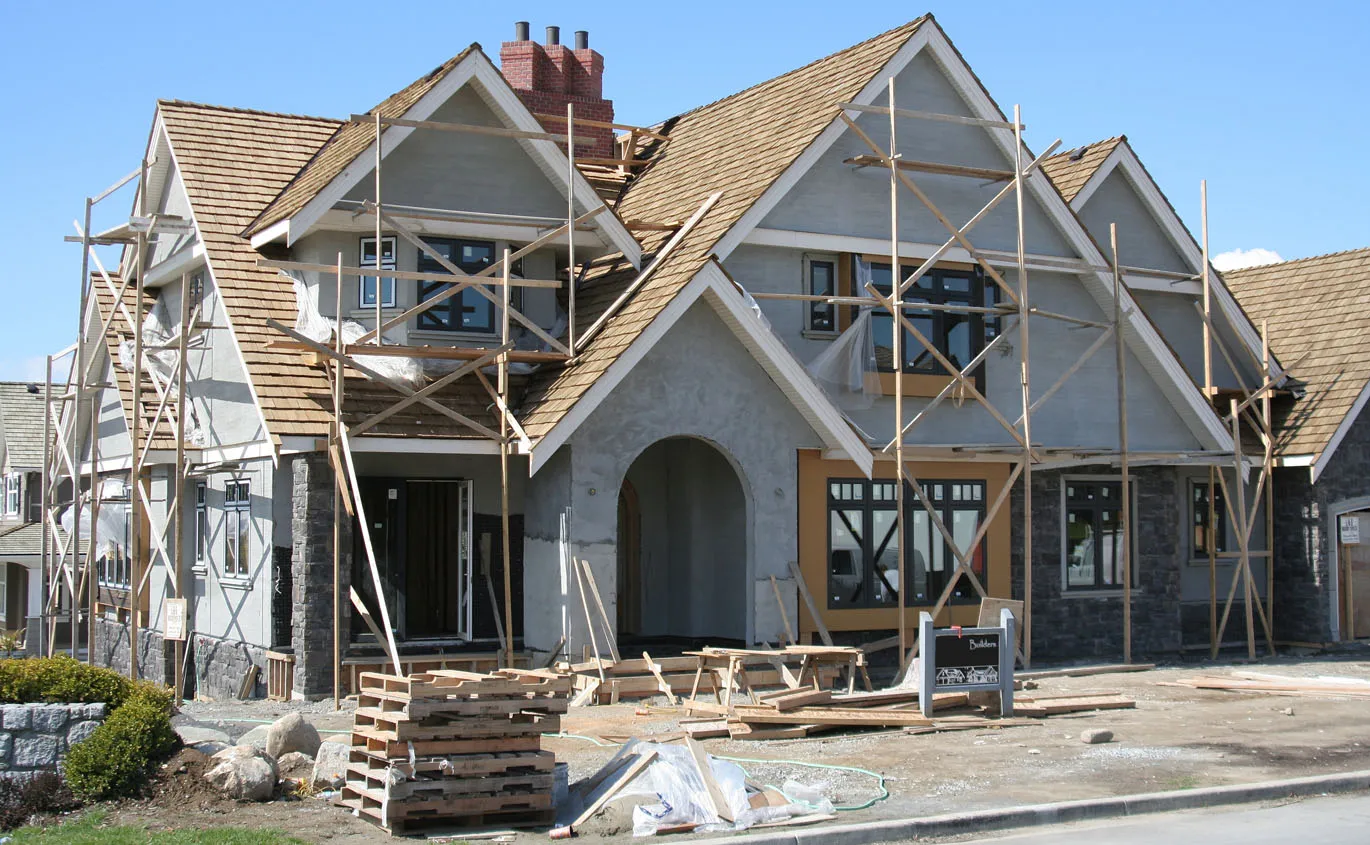

Building a custom residence requires balancing financial expectations with construction quality and long-term functionality. Homeowners must make decisions about design, building materials, labor, site conditions, and construction methods while keeping the overall budget under control.
Working with a qualified custom home builder Anaheim can help coordinate different project activities, but homeowners should understand how construction costs develop and what influences the quality of the completed property.
Financial planning and careful material selection are especially important when building a residence from the ground up.
Understanding the Main Cost Categories
Custom construction costs depend on several factors, including property conditions, building size, architectural complexity, materials, and labor requirements.
A detailed financial plan should identify the main expense categories.
Design and Engineering Expenses
Architectural drawings establish the building layout and design specifications.
Engineering services address structural requirements and may include foundation, framing, and other technical calculations.
The complexity of the proposed home influences the amount of professional planning required.
Site Preparation Expenses
Site preparation can involve clearing, excavation, grading, drainage work, and utility coordination.
Properties with difficult access, slopes, or challenging soil conditions may require additional preparation.
Homeowners researching custom home builders in Anaheim CA should evaluate site-related costs before comparing construction estimates.
Selecting Materials Within a Budget
Material selection has a major influence on overall construction expenses.
Homeowners should consider purchase price, installation costs, maintenance requirements, durability, and expected lifespan.
Comparing Flooring Options
Flooring materials include tile, hardwood, engineered wood, laminate, and other manufactured products.
Each option has different maintenance and installation requirements.
High-traffic areas may require durable surfaces, while bedrooms may allow more flexibility in material selection.
Evaluating Cabinetry and Countertops
Cabinet construction, hardware, countertop materials, and storage configurations affect both cost and functionality.
Homeowners should compare product specifications and installation requirements rather than relying only on showroom appearance.
Understanding Structural Quality
Structural quality depends on proper design, suitable materials, and correct installation.
Foundation systems, framing, roof structures, and building connections must follow approved engineering documents.
Foundation and Soil Conditions
The foundation must be suitable for the site’s soil characteristics and building requirements.
Soil evaluation and appropriate engineering help establish the correct foundation approach.
Framing and Installation Standards
Framing supports the building’s structural components and provides the framework for interior and exterior finishes.
Correct installation is important for maintaining structural performance and ensuring that later construction stages fit properly.
Managing Anaheim Custom Home Construction Expenses
Anaheim custom home construction may involve labor, materials, equipment, permits, inspections, design services, and finishing work.
A detailed estimate should identify the responsibilities associated with each expense.
Creating a Contingency Allowance
Unexpected conditions can affect the original budget.
These may include additional site preparation, material price changes, design adjustments, or repairs required by unforeseen conditions.
A contingency allowance can help manage these expenses without immediately disrupting the overall financial plan.
Understanding Change Orders
A change order documents modifications to the agreed scope.
It should explain the additional work, revised price, and any effect on the construction schedule.
Homeowners should review and approve significant changes in writing.
Maintaining Quality During Construction
Quality management should continue throughout the construction process.
Waiting until the final stage to review workmanship can make it more difficult and expensive to correct certain problems.
Inspecting Important Construction Stages
Foundation work, framing, plumbing, electrical installations, insulation, and waterproofing are important stages that require appropriate review.
Required building inspections should also be completed.
Keeping Material Documentation
Homeowners should maintain product information, warranties, installation details, and receipts.
These documents can help with future maintenance, repairs, and replacement decisions.
Considering Energy Efficiency and Long-Term Expenses
A home’s operating costs are influenced by insulation, windows, air sealing, ventilation, lighting, and heating and cooling systems.
Energy-conscious decisions during construction may improve indoor comfort and help manage long-term utility consumption.
Planning Proper Ventilation
Ventilation helps manage indoor air conditions and moisture.
Bathrooms, kitchens, and other areas may require specific ventilation arrangements according to their intended use and applicable requirements.
Choosing Efficient Equipment
Heating and cooling systems should be selected according to the property’s characteristics.
Appropriate equipment sizing and installation are important for performance and efficiency.
Understanding Construction Contracts
A residential construction agreement should explain the project scope, payment terms, estimated schedule, materials, exclusions, and responsibilities.
A custom home construction company should be able to explain these details clearly.
Homeowners should also verify licensing, insurance, and relevant project experience before entering an agreement.
When researching GAA Construction Corp. custom homes or GAA Construction Corp., property owners should independently confirm the company’s credentials and the specific services included in any proposed project.
Final Thoughts
Managing custom construction costs requires more than choosing inexpensive materials. Homeowners must consider structural quality, site conditions, installation standards, energy performance, and long-term maintenance.
Selecting a general contractor Anaheim involves reviewing qualifications, project estimates, material specifications, and communication practices. Careful financial planning and consistent quality monitoring can help homeowners make informed decisions throughout the construction process.



Join the conversation