

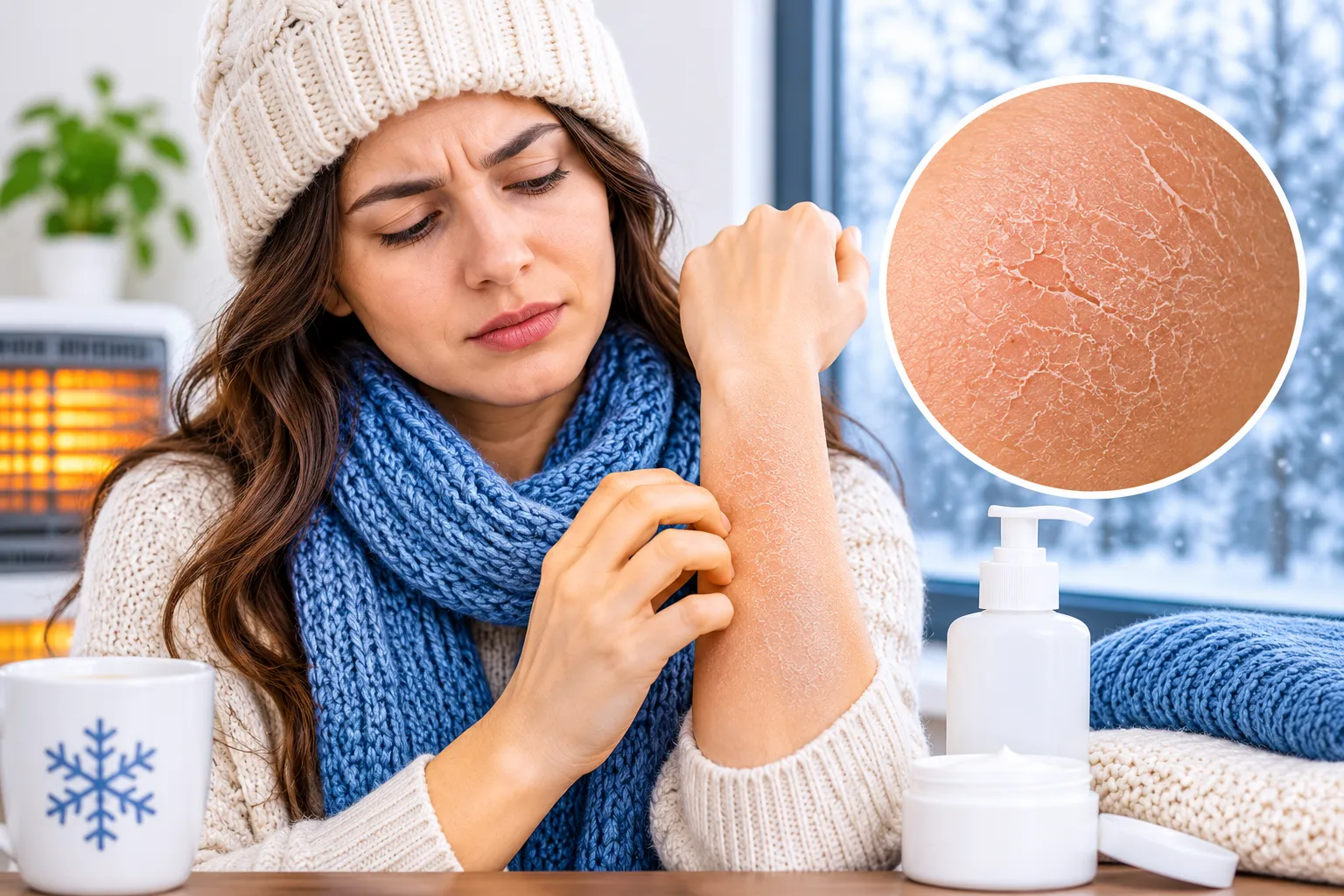

Dry Skin and Itching in Winter: Causes, Symptoms and Relief
Dry skin and itching in winter are common problems that affect people of all ages. Cold weather, low humidity, indoor heating and frequent hot showers can remove moisture from the skin, leaving it rough, tight, flaky and uncomfortable.
Winter skin problems are usually manageable with a gentle skincare routine and regular moisturising. However, persistent itching, painful cracks or a rash may indicate an underlying skin condition that needs medical attention.
In this guide, we explain why winter affects the skin, how to recognise the symptoms, which treatments can help, and what you can do to protect your skin throughout the colder months.
What Causes Winter Skin Dryness and Itching?
The outermost layer of the skin, called the stratum corneum, acts as a protective barrier. It contains skin cells, natural oils and moisture-retaining substances that help prevent water loss.
When this barrier becomes weakened, water escapes more easily. The skin may then feel rough, tight or itchy. Cold weather and low humidity can make this process worse.
self-care: MedlinePlus Medical Encyclopedia+1
1. Cold air and low humidity
Winter air often contains less moisture than warm air. When the humidity drops, water evaporates more quickly from the skin’s surface.
This can lead to:
Flaky skin on the cheeks and forehead
Itchy arms and legs
Dry patches around the ankles
Cracked skin on the hands
Chapped lips
People who spend time outdoors in cold winds may notice these symptoms more often, especially when exposed skin is not protected.
2. Indoor heating
Heaters, radiators and fireplaces make indoor spaces comfortable, but they can also reduce humidity.
Dry indoor air increases moisture loss from the skin. If you spend many hours in a heated room, your skin may become uncomfortable even when you are not outside in the cold.
A room humidifier can help add moisture to the air. Keep it clean and follow the manufacturer’s instructions to prevent mould or bacterial growth.
3. Long, hot showers and baths
Hot water feels relaxing during winter, but it can remove natural oils from the skin.
These oils help maintain the skin barrier. When they are washed away repeatedly, the skin may become dry and irritated.
Try to:
Use lukewarm rather than hot water.
Keep showers around five to ten minutes.
Avoid scrubbing with rough sponges or loofahs.
Pat the skin gently with a towel instead of rubbing.
4. Harsh soaps and skincare products
Some soaps, cleansers and body washes contain strong detergents, fragrances or ingredients that irritate sensitive skin.
Frequent use may worsen dryness, particularly when the skin is already affected by cold weather.
Choose gentle, fragrance-free cleansers and avoid products that leave your skin feeling tight or uncomfortable after washing.
5. Ageing and reduced skin oils
As people grow older, the skin naturally becomes thinner and may produce less oil. This makes it harder for the skin to retain moisture.
Older adults may experience more noticeable dryness on their lower legs, arms, hands and back.
6. Existing skin conditions
Certain skin conditions can become more troublesome during winter. These include:
Atopic dermatitis, commonly called eczema
Psoriasis
Contact dermatitis
Ichthyosis
Xerotic eczema, sometimes known as winter eczema
If you already have a skin condition, cold weather and dry indoor air may trigger a flare-up. In these cases, moisturising alone may not fully control the inflammation.
What Are the Symptoms of Winter Dry Skin?
Winter dryness can range from mild discomfort to painful skin damage.
Common signs include:
Rough or uneven skin texture
Fine white flakes
Tightness after bathing
Redness or irritation
Small cracks or fissures
Burning or stinging
Persistent itching
Skin that looks dull or feels less flexible
The symptoms may appear on the hands, feet, face, arms, legs and torso. The lower legs are particularly prone to dryness because they have fewer oil-producing glands than some other areas.
Scratching may provide temporary relief, but repeated scratching can damage the skin further. It may create small wounds, increase inflammation and raise the risk of infection.
How Can You Relieve Dry Skin and Itching in Winter?
The most effective approach is to restore moisture, protect the skin barrier and reduce exposure to irritants.
Use a thick moisturiser regularly
Moisturising is one of the most important steps for managing winter dryness.
Creams and ointments usually provide better protection than very light lotions because they contain more ingredients that soften the skin and reduce moisture loss.
Look for moisturisers containing:
Ceramides: Help support the skin’s protective barrier.
Glycerin: Attracts water to the skin.
Hyaluronic acid: Helps retain moisture.
Petrolatum: Forms a protective layer that reduces water loss.
Shea butter: Helps soften rough, dry areas.
Apply moisturiser immediately after bathing, while the skin is still slightly damp. Reapply during the day whenever your skin feels dry.
For very dry hands, use a richer cream after washing and before bedtime.
Choose a gentle bathing routine
A simple bathing routine can prevent further irritation.
Use lukewarm water and a mild cleanser. Avoid excessive washing, especially on areas that are not visibly dirty or sweaty.
After bathing, gently pat your skin dry. Do not rub it vigorously with a towel.
Apply moisturiser within a few minutes to help retain the water remaining on the skin.
Protect your skin from cold weather
Cover exposed skin when going outdoors in cold or windy conditions.
Useful protective items include:
Soft gloves
Scarves
Warm socks
Comfortable cotton layers
Lip balm or petroleum jelly
Avoid wearing rough wool directly against irritated skin. A soft cotton layer underneath may reduce friction.
Use a humidifier indoors
A humidifier may help when indoor heating makes the air excessively dry.
Place it in a suitable room, clean it regularly and follow the recommended maintenance schedule. Excess humidity can encourage mould, so avoid making the room damp.
Avoid scratching
When itching becomes uncomfortable, try a cool, damp cloth on the affected area for several minutes.
Keep your nails short and avoid scratching with sharp objects. If itching is severe, a healthcare professional may recommend a suitable treatment.
Do not apply multiple anti-itch products without checking their ingredients. Some products contain fragrances or other substances that can irritate already damaged skin.
Can Winter Dryness Be a Sign of Eczema?
Yes. Dryness can sometimes be an early or accompanying sign of eczema, but not every dry patch is eczema.
Eczema often causes inflammation as well as dryness. The skin may become red, intensely itchy, swollen or cracked. Some people develop small bumps or areas that ooze before forming a crust.
Winter can aggravate eczema because the skin barrier is already more sensitive. Cold air, indoor heating, hot showers and irritating fabrics may contribute to flare-ups.
If you have a history of eczema, continue the skincare routine recommended by your clinician. A prescribed treatment may be needed when moisturisers alone are not enough.
Which Natural Habits Help Keep Skin Comfortable in Winter?
Simple daily habits can support healthy skin without relying on complicated routines.
Eat a balanced diet
A balanced diet provides nutrients that support normal skin function. Include a variety of foods such as:
Vegetables and fruits
Whole grains
Eggs, fish, beans or other protein sources
Nuts and seeds
Healthy sources of dietary fats
Foods containing essential fatty acids, vitamins and minerals contribute to overall health. However, no single food can cure winter dryness, and dietary changes should not replace appropriate skincare.
Drink enough fluids
Maintaining adequate hydration is important for general health. Drink water regularly throughout the day, especially if you are physically active or spend time in heated environments.
Drinking extra water beyond your body’s needs is not a direct treatment for a damaged skin barrier. Applying moisturiser and reducing irritation are more useful steps for most cases of seasonal dryness.
Select skin products carefully
When choosing skincare products, consider your skin type and any known sensitivities.
Some people explore Herbal Supplements for Granuloma Annulare while researching skin health, but granuloma annulare is a separate dermatological condition and should not be confused with ordinary winter dryness. Supplements marketed for one condition are not established treatments for another. Speak with a qualified healthcare professional before taking supplements, particularly if you use medicines or have an ongoing medical condition.
Natural ingredients can also cause allergic reactions. A product being labelled herbal or botanical does not automatically mean it is safe for every skin type.
Keep your skincare routine simple
A practical winter routine does not need many products.
In the morning:
Wash your face gently or rinse with lukewarm water.
Apply a fragrance-free moisturiser.
Use broad-spectrum sunscreen with SPF 30 or higher on exposed skin.
In the evening:
Remove dirt, sweat and sunscreen with a gentle cleanser.
Apply moisturiser to slightly damp skin.
Use a thicker ointment on very dry areas if needed.
Consistency is more important than using many different products.
When Should You See a Dermatologist?
Mild winter dryness often improves with regular moisturising and changes to bathing habits. However, some symptoms require professional assessment.
Arrange a medical appointment if:
Your skin remains dry despite regular care.
Itching interferes with sleep.
You develop a persistent rash or significant redness.
The skin becomes painful or inflamed.
Cracks bleed or fail to heal.
You notice swelling, warmth, pus or spreading redness.
Itching occurs across the body without an obvious skin cause.
A dermatologist can examine your skin, review your symptoms and identify whether another condition is contributing to the problem.
Treatment may include prescription creams, anti-inflammatory medicines or other therapies, depending on the diagnosis. Avoid using steroid creams for long periods without medical guidance, particularly on the face or sensitive areas.
Frequently Asked Questions
Why does my skin itch more during winter?
Winter air is often cold and dry, while indoor heating reduces humidity. These conditions increase moisture loss from the skin and can weaken its protective barrier. Hot showers and harsh soaps may make the problem worse.
How can I stop itching after a shower?
Use lukewarm water, keep your shower short and choose a gentle cleanser. Pat your skin dry and apply a fragrance-free moisturiser while it is still slightly damp. This routine can help reduce dry skin and itching in winter.
Is petroleum jelly good for winter dryness?
Yes. Petroleum jelly helps reduce water loss by forming a protective layer over the skin. It can be useful on very dry hands, heels, elbows and lips. Apply a thin layer over moisturiser when extra protection is needed.
Can dry skin become infected?
Yes. Severe dryness can cause cracks that allow bacteria to enter. Warning signs include increasing redness, warmth, swelling, pain, pus or spreading irritation. Seek medical advice if these symptoms appear.
Does drinking more water cure winter dry skin?
Drinking enough water supports normal body function, but excessive water intake does not directly repair a damaged skin barrier. Regular moisturising, gentle cleansing and avoiding irritants are usually more effective for seasonal dryness.
Should I use natural skincare products for itchy skin?
Natural skincare products may contain moisturising ingredients, but they can also contain fragrances, essential oils or botanical extracts that irritate sensitive skin. Choose products based on their ingredients and your skin’s tolerance rather than the word “natural” alone.
Some people search for Herbal Care Products when exploring skincare options. Before using any product, check its intended purpose, ingredient list and safety information. Products promoted for specific skin diseases should not be assumed to treat ordinary winter dryness or replace a dermatologist’s advice.
What is the difference between dry skin and winter eczema?
Dry skin usually causes roughness, flaking and tightness. Winter eczema may also involve inflammation, redness, intense itching and cracked patches. The two can overlap, but eczema may require medical treatment in addition to moisturising.
Can granuloma annulare cause winter itching?
Granuloma annulare is a skin condition that commonly produces ring-shaped or curved bumps. It is different from simple seasonal dryness and does not usually present as widespread winter itch alone.
People searching for Granuloma Annulare Natural Treatment should understand that evidence for natural remedies is limited. A dermatologist can confirm the diagnosis and discuss appropriate treatment options. Do not assume that advice for granuloma annulare applies to dry skin.
Conclusion
Winter dryness develops when the skin loses moisture and its protective barrier becomes less effective. Cold air, low humidity, indoor heating, hot showers and harsh cleansers are common triggers.
The best way to manage dry skin and itching in winter is to moisturise regularly, use gentle skincare products, take shorter lukewarm showers and protect exposed skin from cold winds. A humidifier may also help when indoor air is dry.
If symptoms persist, become painful or interfere with sleep, seek medical advice. With consistent care and the right treatment when needed, most people can keep their skin more comfortable throughout winter.
Medical Disclaimer
This article is for educational and informational purposes only. It does not replace professional medical advice, diagnosis or treatment. Skin symptoms can have different causes, and individual treatment needs may vary. Consult a qualified healthcare professional or dermatologist if symptoms are persistent, severe or worsening. Do not start, stop or change prescribed medicines or supplements without appropriate medical guidance.



Join the conversation