

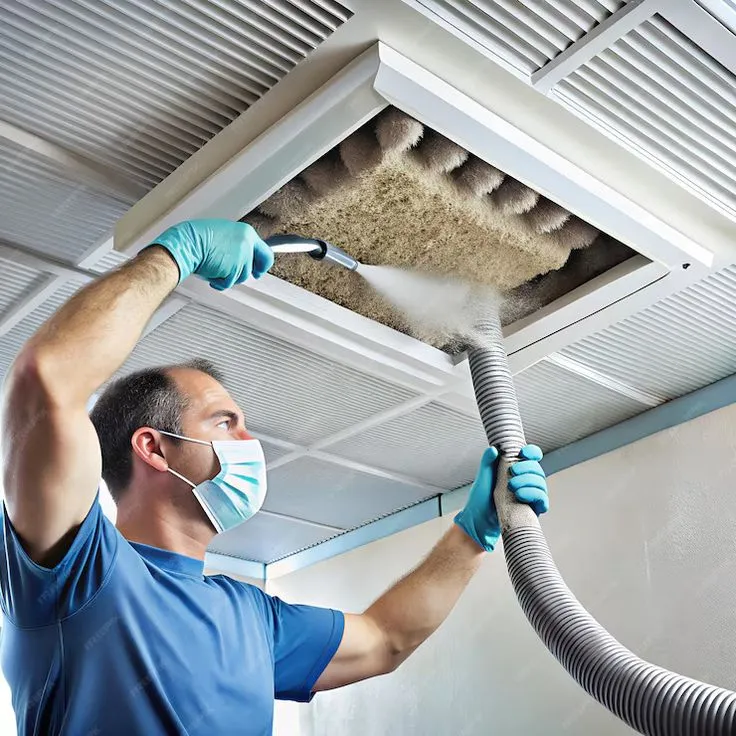

Air conditioning ductwork often remains out of sight, making it easy for homeowners to overlook its condition. However, ducts are essential for transporting conditioned air throughout residential and commercial properties. Dust, construction debris, damaged connections, and moisture can create maintenance concerns over time. AC Duct Cleaning may help address accumulated debris when inspection confirms that the system requires cleaning.
Recognizing common duct problems allows property owners to understand when routine maintenance is sufficient and when professional attention may be necessary.
Common Problems Found in Air Conditioning Ductwork
Duct systems can develop different problems depending on their age, construction, installation quality, and operating environment.
Dust and Debris Accumulation
Airborne particles can settle on internal duct surfaces. Common materials include household dust, pet hair, textile fibers, and construction residue.
A small amount of settled dust is not necessarily a reason for professional cleaning. However, substantial deposits or visible contamination may require further investigation.
Loose or Damaged Duct Connections
Poorly secured connections can allow conditioned air to escape into unconditioned spaces. They may also create opportunities for dust to enter the system.
Inspection should identify disconnected joints, damaged insulation, and deteriorated sealing materials.
Moisture and Condensation
Condensation may develop when cold duct surfaces interact with humid surrounding air. Poor insulation, drainage problems, and water leaks can make moisture issues worse.
Wet duct insulation should be evaluated because cleaning alone may not resolve the underlying damage.
Why Air Conditioner Duct Cleaning May Be Required
Air Conditioner Duct Cleaning focuses on removing accumulated debris from accessible internal duct surfaces.
Addressing Construction Residue
Renovation work can produce drywall dust, wood particles, and other fine materials. If duct openings are left exposed, these materials may enter the HVAC network.
A professional inspection can determine whether the contamination requires removal.
Managing Contaminated Duct Sections
Ducts may contain debris introduced through damaged filters, poor sealing, or other maintenance problems.
Identifying the source is important because cleaning without correcting the underlying issue may allow contamination to return.
Understanding the Cleaning Process
Professional cleaning requires an organized procedure that protects the building and the HVAC equipment.
Initial Examination
Technicians examine duct openings, accessible internal surfaces, and visible connections. They should also identify moisture, pests, and structural damage.
Vacuum-Based Cleaning
Suitable vacuum equipment collects debris as it is loosened from duct surfaces. Depending on the system, technicians may use brushes or other controlled agitation tools.
The cleaning method should match the material and condition of the ducts.
Inspection After Cleaning
After the procedure, accessible areas should be examined to check for remaining debris and any damage caused during the work.
Understanding AC Duct Cleaning Services
AC Duct Cleaning Services can cover different parts of an HVAC distribution system depending on the inspection results.
A service may include supply ducts, return ducts, registers, and certain accessible air-handling components.
What Homeowners Should Ask
Before approving work, property owners should ask:
Which duct sections will be cleaned?
What equipment will be used?
How will dust be contained?
Will damaged duct sections be reported?
Are repairs included or quoted separately?
Clear answers help prevent confusion about the actual scope of work.
The Role of Filters in Preventing Duct Problems
Filters capture airborne particles before they reach sensitive equipment. Their condition directly influences the amount of debris entering the system.
Choosing Compatible Filters
Filters should match the equipment manufacturer’s specifications. A filter that is too restrictive may affect airflow if the system was not designed to accommodate it.
Replacing Filters Regularly
Filter replacement intervals depend on filter type, household conditions, system usage, and manufacturer instructions. Homes with pets or high dust levels may require more frequent inspection.
How to Prevent Future Duct Contamination
Preventive maintenance can reduce unnecessary debris accumulation.
Protect duct openings during renovation.
Replace damaged filters promptly.
Repair leaking duct connections.
Maintain appropriate indoor humidity.
Keep return-air grilles unobstructed.
Arrange inspections when unusual odors develop.
Choosing a Reliable Cleaning Provider
When comparing an AC Duct Cleaning Service, homeowners should evaluate the provider’s experience, equipment, inspection process, and understanding of different duct materials.
A responsible contractor explains what needs cleaning and what problems require separate repairs. Claims of guaranteed health improvements should be treated cautiously.
Conclusion
Air conditioning ductwork can develop problems related to debris, moisture, damage, and inadequate filtration. Correctly identifying these issues is more important than automatically scheduling cleaning. When inspection demonstrates that accumulated material needs removal, Socalgreen air and chimney can support the maintenance of a cleaner and properly managed HVAC system.



Join the conversation