

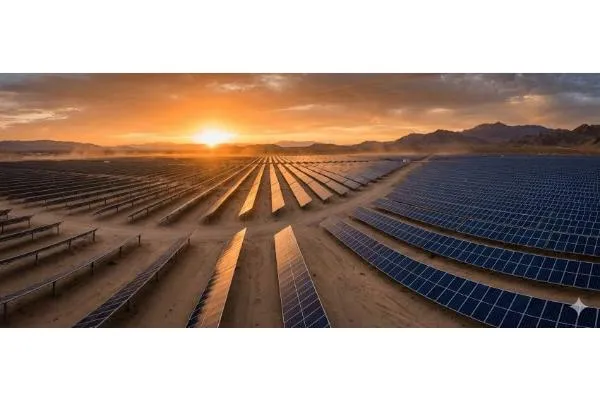

Agriculture is one of the most important sectors in Pakistan, and farmers need a reliable water supply to grow healthy crops. Many farms depend on electric or diesel-powered tubewells for irrigation. However, electricity bills, diesel expenses, and power interruptions can make irrigation costly.
Solar energy offers farmers another way to operate water pumps. A solar tubewell uses electricity generated by solar panels to pump water from underground sources or other water supplies. It can help reduce dependence on grid electricity and diesel fuel.
If you are researching the Solar Tubewell price in Pakistan, it is important to understand that the total cost depends on more than the number of solar panels. Pump capacity, water depth, required water flow, solar panel specifications, and installation conditions all affect the final price.
This guide explains solar tubewell systems, their costs, main components, benefits, and the factors farmers should consider before installation.
What Is a Solar Tubewell?
A solar tubewell is a water pumping system that uses solar energy to operate an electric pump. Solar panels generate electricity from sunlight, and the electricity powers a pump that moves groundwater to the surface for irrigation.
Depending on the system design, the pump may operate directly from solar power through a suitable controller or inverter. Some systems can also use grid electricity or batteries as additional power sources.
A typical solar tubewell system includes:
Solar panels
Solar water pump
Solar pump controller or suitable inverter
Mounting structure
Electrical cables and protection equipment
Water pipes and fittings
Installation and commissioning work
The system is designed according to the farm’s irrigation requirements, water source, and available sunlight.
Solar Tubewell Price in Pakistan: What Determines the Cost?
There is no single price for every solar tubewell in Pakistan. Two farms may need different systems even if they are located in the same area.
A reliable quotation should be based on a proper assessment of the water source and pumping requirements.
1. Solar System Capacity
The required solar capacity is one of the main factors affecting the project cost. A pump with higher power requirements may need a larger solar array.
The capacity should be selected according to the pump’s electrical specifications and the expected daily water requirement.
2. Water Depth
The depth from which water needs to be lifted affects the pump’s energy requirements.
A deeper water source may require a pump with greater pressure capability. This can influence the pump selection, motor size, and overall solar capacity.
3. Water Flow Requirement
Farmers should consider how much water they need per hour or per day.
A small farm growing seasonal crops may have different irrigation requirements from a large farm that needs to water several fields.
The required flow rate helps determine the suitable pump and system configuration.
4. Solar Panel Quality
Solar panels differ in efficiency, power output, dimensions, and warranty terms. The number of panels required depends on their individual capacity and the total solar array size.
Farmers should compare technical specifications rather than selecting panels based only on price.
5. Pump Type and Motor Capacity
The pump must match the water source and the required pumping conditions.
A submersible pump is commonly used for deep wells, while surface pumps may suit certain shallow-water applications. The correct choice depends on the depth, water level, and installation conditions.
6. Solar Pump Controller
A solar pump controller manages the power supplied to the pump. It helps match the solar panel output with the motor’s operating requirements.
The controller must be compatible with the selected pump and solar array.
7. Installation and Site Conditions
The final cost may also include:
Panel mounting structures
Electrical cables
Pump installation
Water pipes and fittings
Earthing and protection equipment
Transportation
Labour and commissioning
Farmers should ask for a complete quotation that clearly separates equipment and installation costs.
Estimated Solar Tubewell Prices in Pakistan (2026)
The following figures provide an indicative market estimate for complete solar tubewell installations in Pakistan. Actual quotations can vary depending on pump specifications, water depth, solar panel brand, structure, and installation requirements.
Estimated complete system prices in PKR, based on published 2026 market listings. These are not fixed supplier quotations.
Pump capacity
Indicative complete system price
3 HP
Rs. 350,000–480,000
5 HP
Rs. 530,000–750,000
7.5 HP
Rs. 720,000–1,000,000
10 HP
Rs. 880,000–1,450,000
15 HP
Rs. 1,350,000–1,850,000
20 HP
Rs. 1,800,000–2,500,000
These ranges are useful for initial budgeting, but they should not be treated as guaranteed prices. Different suppliers may include different equipment, structures, wiring, and installation services in their quotations.
Important: A pump’s horsepower alone does not determine the final system price. A 5 HP pump lifting water from a deep bore may require a different design from a 5 HP pump operating at a shallower water level.
Example: Solar Tubewell Price for Different Farm Requirements
A small farm may need a lower-capacity pump, while a larger agricultural property may require a more powerful system.
For example:
A 3 HP system may be considered for smaller water requirements.
A 5 HP system may suit certain medium-sized irrigation applications.
A 7.5 HP or 10 HP system may be considered for higher water requirements.
A 15 HP or 20 HP system may be required for larger pumping demands or more challenging water conditions.
These are general examples, not fixed acreage recommendations. The actual pump should be selected using water flow, total pumping head, and crop irrigation requirements.
How Many Solar Panels Are Required for a Solar Tubewell?
The number of solar panels depends on the pump capacity, panel wattage, solar conditions, and system design.
For example, a 5 HP system may use approximately 10–14 panels, while a 10 HP system may require around 18–24 panels in some configurations. The exact number varies between equipment combinations and installers.
Consider these points before selecting panels:
Check the pump’s electrical input requirements.
Confirm the solar array capacity recommended by the pump manufacturer.
Consider performance during morning and afternoon sunlight.
Allow for temperature-related and other system losses.
Check the inverter or controller’s permitted DC voltage and current.
A qualified solar installer should calculate the correct panel configuration instead of selecting a number based only on horsepower.
Main Components of a Solar Tubewell System
A complete solar tubewell includes several components that work together to pump water.
1. Solar Panels
Solar panels generate electricity from sunlight. Their total capacity must be suitable for the selected pump and controller.
Farmers should compare panel efficiency, power output, warranty coverage, and manufacturer specifications before purchasing.
2. Solar Water Pump
The water pump moves water from a borehole, well, or other water source to the required location.
Common options include:
Submersible pumps: Installed below the water level, often used for deep boreholes.
Surface pumps: Installed near the water source and used where the suction and pumping conditions allow.
The correct pump depends on water depth, required flow, and total pumping head.
3. Solar Pump Controller or VFD
A solar pump controller manages the electricity supplied to the motor. A variable frequency drive (VFD) can adjust motor operation according to available solar power and system requirements.
It can also help provide suitable motor control and protection when correctly selected and configured.
4. Mounting Structure
The mounting structure holds solar panels securely above the ground or on another suitable surface.
Agricultural installations need structures that can withstand local wind and weather conditions. The design should also allow safe cleaning and maintenance.
5. Electrical Cables and Protection Equipment
Cables, connectors, breakers, isolators, and surge protection equipment help connect and protect the system.
Correct cable sizing is important because long cable distances can cause voltage drops and power losses.
6. Water Pipes and Fittings
Pipes carry water from the pump to the storage tank, irrigation channel, or fields. Their diameter and length affect water flow and pumping requirements.
How to Choose the Right Solar Tubewell for Your Farm
Before purchasing a solar tubewell, farmers should understand their actual irrigation requirements.
1. Check the Water Table Depth
Find out the water level in the borehole and how much it drops while pumping. A deeper pumping level generally requires more energy.
Do not rely only on the total borehole depth. The actual water level and pump operating conditions are important.
2. Calculate Daily Water Requirements
Consider how much water your crops need and how many hours you want the pump to operate.
Different crops, seasons, soil conditions, and irrigation methods require different amounts of water.
3. Measure Required Water Flow
Ask a qualified technician to estimate the required water flow in litres per second or gallons per hour.
The pump should deliver enough water for your irrigation schedule without being unnecessarily oversized.
4. Check the Existing Pump
If you already have an electric or diesel tubewell, record the motor’s horsepower, voltage, phase, and other nameplate details.
These details can help the installer assess whether the existing pump can be used with a suitable solar drive or needs replacement.
5. Select Suitable Solar Equipment
Compare the pump, solar panels, controller, cables, and mounting structure as a complete system.
Ask the supplier to explain why the selected equipment matches your water requirements.
6. Compare Complete Quotations
Get quotations that clearly list equipment specifications, installation charges, warranties, and any additional civil or electrical work.
A complete quotation makes it easier to compare different suppliers fairly.
Benefits of Installing a Solar Tubewell in Pakistan
Solar-powered irrigation can offer several benefits to farmers.
Reduce Diesel Expenses
Farmers using diesel-powered tubewells need to purchase fuel regularly. A solar pumping system can reduce dependence on diesel during suitable sunlight hours.
Reduce Grid Electricity Consumption
Farmers with electric tubewells may use solar energy to supply part or all of their daytime pumping requirements, depending on the system design.
Support Irrigation During Daylight
A properly designed solar tubewell can operate when sunlight is available. This allows farmers to plan irrigation around solar production.
Lower Routine Fuel Requirements
Solar-powered pumping does not require diesel fuel during normal solar operation. However, the system still needs maintenance and may require grid or generator backup when sunlight is insufficient.
Support Sustainable Agriculture
Solar energy provides an alternative source of electricity for agricultural water pumping. It can help reduce emissions associated with diesel-based pumping.
Does a Solar Tubewell Need Batteries?
Most agricultural solar tubewells do not require batteries.
Many systems use solar panels connected to a dedicated pump controller or VFD. The controller operates the pump according to available solar power.
This approach can reduce the initial cost and avoid the need to replace batteries over time.
However, solar pumping usually depends on available sunlight. If farmers need water at night or during extended periods of poor sunlight, they may consider:
Grid electricity as an alternative input
A compatible diesel generator
Water storage tanks or reservoirs
A suitable battery-based system
Storing pumped water in a reservoir can sometimes be more practical than storing electricity in batteries. The best approach depends on the farm’s irrigation schedule and site conditions.
Punjab Solar Tubewell Subsidy: What Farmers Should Know
Farmers in Punjab have previously had access to government support through the Chief Minister’s Solarization of Agricultural Tube Wells Program.
The published program information describes subsidies of Rs. 500,000 for 10 kW systems, Rs. 750,000 for 15 kW systems, and Rs. 1 million for 20 kW systems. The initial application period has concluded, so farmers should not assume that applications are currently open.
CM Special Monitoring Unit
Before including any subsidy in your budget, check the latest announcement and eligibility requirements through the official Punjab government website.
Farmers should also confirm whether a new scheme has been announced before making purchasing decisions.
Common Mistakes to Avoid When Buying a Solar Tubewell
Choosing a Pump Only by Horsepower
Horsepower does not tell the complete story. Water depth, flow rate, and total pumping head must also be considered.
Buying Cheap Solar Panels
Low-quality or unsuitable panels may affect long-term system performance. Always check specifications and warranty documents.
Ignoring Water-Level Changes
The water level can fall during pumping. A system designed using only the static water level may not deliver the expected water flow.
Using an Incompatible Controller
The controller must match the pump motor and solar array. Incorrect equipment combinations can cause poor operation or damage.
Ignoring Mounting Structure Quality
Solar panels installed on weak structures may be at risk during strong winds. Use a properly designed and securely installed structure.
Not Checking the Complete Quotation
Make sure the price includes the pump, panels, controller, mounting structure, cables, protection equipment, and installation work where applicable.
Explore Agricultural Solar Solutions with DSG Energy
Farmers looking for solar-powered irrigation need a system designed around their water source, crop requirements, and available pumping capacity.
DSG Energy provides an option for businesses and agricultural users in Pakistan to explore solar energy solutions. Its agriculture solar solutions page is a useful starting point for learning about solar applications for farming.
Before discussing your project, prepare the following information:
Existing tubewell motor horsepower
Water depth and water level during pumping
Required water flow
Farm size and irrigation requirements
Available space for solar panels
Whether you need backup power
This information can help with an initial system assessment.
Visit DSG Energy Agriculture Solar Solutions to explore its agricultural solar offerings.
Frequently Asked Questions About Solar Tubewell Price in Pakistan
1. What is the solar tubewell price in Pakistan in 2026?
Indicative complete system prices vary by capacity. A 5 HP system may cost approximately Rs. 530,000–750,000, while a 10 HP system may cost around Rs. 880,000–1,450,000. Actual prices depend on equipment and installation requirements.
2. How much does a 5 HP solar tubewell cost?
A complete 5 HP solar tubewell may cost approximately Rs. 530,000–750,000 based on published 2026 market estimates. The final quotation depends on pump quality, panel capacity, controller, and installation conditions.
3. How much does a 10 HP solar tubewell cost in Pakistan?
A 10 HP system may cost approximately Rs. 880,000–1,450,000. Deep water levels, higher flow requirements, and equipment selection can increase the cost.
4. How many solar panels are needed for a 5 HP tubewell?
The number depends on panel wattage and the pump’s electrical requirements. Some 5 HP configurations use approximately 10–14 panels, but the final design should be confirmed by a qualified installer.
5. Can a solar tubewell work without batteries?
Yes. Many agricultural solar pumping systems use a VFD or dedicated pump controller and operate directly from solar panels without batteries.
6. Can I convert my existing electric tubewell to solar?
In many cases, an existing electric tubewell can be converted by using a compatible solar array and pump drive. However, the motor, pump, electrical specifications, and water requirements must be assessed first.
7. Does a solar tubewell work at night?
A standard solar tubewell generally operates during sunlight hours. Night-time pumping requires another suitable power source, such as grid electricity, a generator, or an appropriately designed battery system.
8. Which pump is better for a solar tubewell?
A submersible pump may suit deep boreholes, while a surface pump may work for suitable shallow water sources. The choice depends on total pumping head, required water flow, and water conditions.
9. Is a solar tubewell suitable for a large farm?
Yes, solar pumping can be designed for larger farms. However, the system must be sized according to irrigation demand, water depth, and required pumping hours.
10. How can I get an accurate solar tubewell quotation?
Share your existing motor details, water depth, required water flow, and farm irrigation needs with a solar provider. A site assessment can help determine the suitable system and complete installation cost.
Conclusion
A solar tubewell can help Pakistani farmers reduce dependence on diesel and grid electricity while supporting their irrigation needs. However, the right system depends on water depth, pump capacity, required water flow, solar panel specifications, and installation conditions.
When comparing the Solar Tubewell price in Pakistan, always look at the complete system rather than the pump or panels alone. Request a detailed quotation, compare equipment quality, and make sure the system is designed for your farm’s actual water requirements.
With proper planning and suitable equipment, solar-powered irrigation can become a valuable long-term investment for agricultural operations.



Join the conversation