

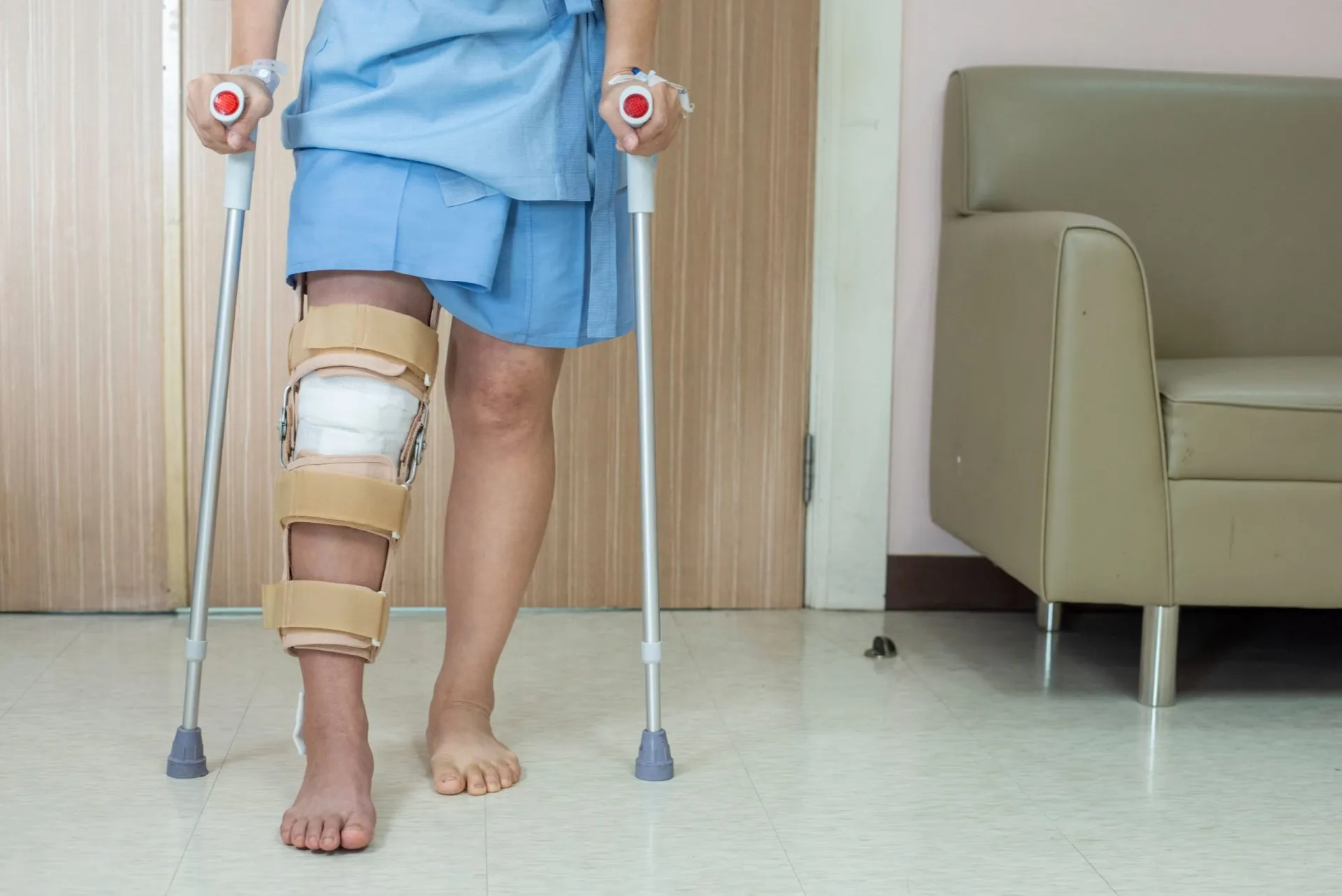

An anterior cruciate ligament (ACL) injury is a common knee condition that can affect mobility, physical stability, and the ability to participate in sports and everyday activities. The ACL is one of the major ligaments responsible for stabilizing the knee joint. It helps control movement, supports rotational stability, and allows individuals to perform activities such as walking, running, jumping, and changing direction.
An ACL injury can occur during sports, sudden changes in direction, awkward landings, or unexpected twisting movements. Depending on the severity of the injury, individuals may experience knee pain, swelling, instability, and difficulty putting weight on the affected leg. Recovery often requires a structured approach that focuses on restoring strength, improving joint movement, and rebuilding confidence.
Professional physiotherapy plays an important role in ACL rehabilitation, whether an individual is following a non-surgical treatment plan or recovering after surgery. Exploring ACL injury treatment in dubai can help patients understand the importance of personalized assessment and progressive rehabilitation.
At Vitruvian Italian Physiotherapy Center, the focus is on individualized physiotherapy programmes that support knee function, muscle strength, balance, and controlled movement. Through structured rehabilitation and professional guidance, patients can work towards returning to their daily routines and physical activities.
Understanding ACL Injuries and Their Impact on Knee Function
The anterior cruciate ligament is located inside the knee joint and connects the thigh bone (femur) to the shin bone (tibia). It plays an important role in maintaining knee stability, particularly during movements that involve turning, stopping, jumping, and changing direction.
When the ACL becomes stretched or torn, the knee may lose some of its normal stability. This can make certain movements uncomfortable or difficult.
ACL injuries are generally classified into three grades:
Grade 1: The ligament is mildly stretched but continues to provide reasonable knee stability.
Grade 2: The ligament is partially torn, which may result in increased instability and discomfort.
Grade 3: The ligament is completely torn, resulting in significant loss of its normal stabilizing function.
The appropriate treatment depends on the injury grade, associated knee damage, activity level, and individual recovery goals.
Understanding the condition is an important first step when considering ACL injury treatment in dubai, as treatment requirements can differ considerably between patients.
Common Causes of ACL Injuries
ACL injuries frequently occur during physical activities that place sudden demands on the knee joint. Although athletes are particularly exposed to these movements, ACL injuries can also happen during everyday activities.
Common causes include:
Sudden changes in direction while running.
Landing awkwardly after jumping.
Twisting the knee while the foot remains planted.
Rapidly stopping during sports activities.
Direct impact or collision involving the knee.
Losing balance during physical activity.
Sudden movements that place excessive stress on the ligament.
Sports such as football, basketball, tennis, and skiing involve movements that can increase the demands placed on the ACL.
Recognizing how the injury occurred helps physiotherapists and healthcare professionals understand the patient’s condition and develop suitable rehabilitation objectives.
Recognizing the Symptoms of an ACL Injury
ACL injuries can produce different symptoms depending on their severity and whether other knee structures are affected.
Some individuals experience immediate symptoms following an injury, while others notice increasing discomfort and instability during physical activity.
Common symptoms include:
Sudden knee pain following a twisting movement.
Swelling around the knee joint.
Difficulty putting weight on the affected leg.
A feeling of instability or the knee giving way.
Reduced knee flexibility.
Difficulty fully straightening or bending the knee.
Discomfort during walking or climbing stairs.
Difficulty returning to sports activities.
Some people report hearing or feeling a popping sensation when the injury occurs. However, this alone does not confirm an ACL tear.
A medical assessment is important to establish an accurate diagnosis and determine whether imaging or additional investigations are required.
Why Structured Physiotherapy Is Important for ACL Recovery
ACL rehabilitation involves more than simply reducing knee discomfort. The primary objectives include restoring joint movement, rebuilding muscular strength, improving balance, and developing better control during functional activities.
A structured rehabilitation programme allows treatment to progress according to the patient’s physical abilities and recovery stage.
Physiotherapy may help patients:
Restore knee flexibility and movement.
Strengthen the quadriceps and hamstring muscles.
Improve hip and lower-limb stability.
Develop better balance and coordination.
Improve walking patterns.
Rebuild confidence during physical activities.
Prepare gradually for sports and exercise.
At Vitruvian Italian Physiotherapy Center, rehabilitation focuses on individual assessment and progressive exercise programmes.
Personalized ACL injury treatment in dubai should consider whether the patient is receiving conservative treatment or recovering following ACL reconstruction surgery.
The Importance of a Professional ACL Assessment
An accurate assessment helps establish the extent of the injury and determine suitable treatment options.
A physiotherapist may evaluate different aspects of knee function while considering the medical diagnosis and recommendations from the treating healthcare professional.
Medical History and Injury Details
The assessment may begin with questions about how the injury occurred, when symptoms started, and whether the patient has experienced previous knee problems.
The patient’s sports participation, occupation, and daily physical requirements may also be considered.
Knee Mobility Assessment
The physiotherapist may evaluate how comfortably the patient can bend and straighten the knee.
Restricted movement may indicate stiffness, swelling, or other limitations that need to be addressed during rehabilitation.
Muscle Strength Evaluation
The quadriceps, hamstrings, calf muscles, and hip muscles contribute to knee stability and lower-limb movement.
Assessing their strength helps identify areas that require targeted exercises.
Balance and Stability Assessment
Balance plays an important role in controlling the knee during standing, walking, and physical activities.
Appropriate assessment can help identify limitations in lower-limb coordination and stability.
Functional Movement Evaluation
Depending on the patient’s recovery stage, activities such as walking, standing, and controlled stepping may be evaluated.
More advanced movements are introduced only when appropriate and medically cleared.
ACL Injury Treatment Dubai: Non-Surgical Rehabilitation Approaches
Not every ACL injury requires surgery. Some individuals, particularly those with partial tears or lower physical activity demands, may be suitable for non-surgical management.
The decision depends on injury severity, knee stability, associated damage, and individual goals. It should be made with an appropriate medical professional.
Non-surgical rehabilitation may include several treatment methods.
Managing Initial Discomfort and Swelling
The early stage of rehabilitation may focus on managing discomfort and swelling while protecting the injured knee.
Depending on medical advice, this may involve suitable activity modification, elevation, compression, and other recommended measures.
Restoring Knee Mobility
Gentle movement exercises may help restore knee bending and straightening.
Maintaining appropriate joint mobility is important because prolonged stiffness can make later strengthening and functional activities more difficult.
Progressive Muscle Strengthening
Strengthening the muscles surrounding the knee helps improve support and lower-limb function.
Exercises may target:
Exercise intensity should be adjusted according to the injury and the patient’s response.
Balance and Coordination Training
Balance exercises can help improve lower-limb control and body awareness.
Depending on the rehabilitation stage, exercises may progress from supported standing activities to more challenging single-leg balance movements.
Functional Movement Training
As knee strength and stability improve, patients may gradually practise activities such as walking, controlled stepping, and other everyday movements.
This helps prepare the individual for greater physical demands.
Physiotherapy After ACL Reconstruction Surgery
ACL reconstruction surgery may be recommended for individuals with significant knee instability, particularly those who want to return to sports involving pivoting and sudden directional changes.
Following surgery, physiotherapy becomes an essential part of the recovery process.
The rehabilitation programme should follow the surgeon’s instructions and be adjusted according to healing, graft considerations, and individual progress.
Early Post-Surgical Rehabilitation
The initial rehabilitation stage generally focuses on:
Managing swelling and discomfort.
Restoring knee extension.
Gradually improving knee flexion.
Activating the quadriceps muscles.
Improving safe walking patterns.
Following prescribed weight-bearing instructions.
The exercises introduced during this stage should be appropriate for the surgical procedure and the patient’s condition.
Strength Development
As recovery progresses, strengthening exercises become increasingly important.
The quadriceps and hamstrings contribute to knee control and lower-limb stability. Improving their strength helps prepare patients for functional activities.
Exercises may include:
Straight-leg raises.
Controlled quadriceps contractions.
Supported squats.
Hamstring strengthening.
Hip strengthening.
Suitable resistance exercises.
Balance and Neuromuscular Training
Neuromuscular training focuses on improving communication between the nervous system and muscles.
It helps individuals develop better movement control, balance, and coordination.
Exercises may involve controlled weight shifting, balance activities, and progressive single-leg movements when appropriate.
Advanced Functional Rehabilitation
Later stages may include more challenging exercises that prepare patients for running, jumping, landing, and sports-specific movements.
These activities should only be introduced when the patient meets appropriate strength, mobility, and functional criteria and receives the necessary medical clearance.
The Role of Quadriceps and Hamstring Strength in ACL Rehabilitation
The quadriceps and hamstrings play important roles in knee movement and stability.
The quadriceps muscles are located at the front of the thigh and help straighten the knee. The hamstrings are positioned at the back of the thigh and contribute to knee bending and movement control.
Following an ACL injury or reconstruction surgery, weakness in these muscles may affect walking, balance, and physical performance.
A personalized rehabilitation programme may include:
Quadriceps Strengthening: Exercises designed to improve knee extension strength and muscular control.
Hamstring Strengthening: Controlled exercises that develop the strength and endurance of the muscles at the back of the thigh.
Hip Strengthening: Exercises targeting the gluteal muscles to improve lower-limb alignment and movement control.
Calf Strengthening: Activities that support ankle stability, walking, and overall lower-limb function.
Developing balanced muscular strength is an important part of rebuilding confidence during rehabilitation.
ACL Rehabilitation and Return to Sports
Returning to sports after an ACL injury requires careful planning and progressive rehabilitation.
Athletes often need to regain more than basic knee movement. They must also develop strength, coordination, balance, endurance, and confidence during demanding activities.
A sports rehabilitation programme may include:
Progressive running exercises.
Controlled jumping and landing.
Single-leg stability training.
Directional movement practice.
Acceleration and deceleration exercises.
Sport-specific movement drills.
Returning to sports should not depend on time alone. The patient’s knee strength, functional performance, movement quality, and medical clearance should all be considered.
At Vitruvian Italian Physiotherapy Center, structured rehabilitation focuses on helping individuals work towards appropriate functional goals through progressive exercise programmes.
Understanding ACL Injury Treatment Cost in Dubai
The ACL injury treatment cost in dubai can vary depending on the severity of the injury, the treatment approach, and the number of physiotherapy sessions required.
Every patient has different rehabilitation needs, which means treatment costs may differ considerably.
Several factors can influence the overall cost.
Initial Assessment Requirements
The initial consultation may involve evaluating knee mobility, muscle strength, balance, and functional limitations.
The complexity of the assessment may depend on the patient’s injury and previous treatment history.
Number of Physiotherapy Sessions
Some individuals may require a shorter rehabilitation programme, while others recovering from ACL reconstruction may need a longer period of structured physiotherapy.
The number of sessions depends on recovery progress and individual treatment goals.
Type of Treatment Programme
The cost may vary according to the rehabilitation techniques included in the programme.
These may involve manual therapy when appropriate, therapeutic exercises, progressive strengthening, balance training, and functional rehabilitation.
Surgical and Non-Surgical Requirements
Patients following non-surgical rehabilitation may have different treatment requirements from those recovering after ACL reconstruction.
Surgical costs, hospital expenses, and physiotherapy costs are separate considerations and should be discussed individually.
Individual Recovery Goals
Someone aiming to improve everyday walking may require a different rehabilitation programme from an athlete preparing to return to competitive sports.
When comparing ACL injury treatment cost in dubai, patients should understand the services included, the recommended treatment duration, and the professional support provided.
At Vitruvian Italian Physiotherapy Center, discussing individual rehabilitation requirements during the consultation can help patients understand their treatment options and associated costs.
Best ACL Injury Treatment in Dubai: What Should You Consider?
Finding the Best ACL injury treatment in dubai involves choosing an approach that considers the nature of the injury, individual physical requirements, and long-term movement goals.
Effective rehabilitation should be structured, progressive, and based on appropriate clinical assessment.
Important factors to consider include:
Professional Assessment: Treatment should begin with an understanding of the injury, knee function, and associated physical limitations.
Personalized Rehabilitation: Exercises should reflect the patient’s condition, recovery stage, and activity requirements.
Progressive Strengthening: The programme should gradually develop quadriceps, hamstring, hip, and calf strength.
Balance and Movement Training: Appropriate exercises should improve coordination, stability, and lower-limb control.
Regular Progress Evaluation: Rehabilitation activities should be adjusted according to measurable improvements and individual responses.
Functional Recovery Goals: Treatment should support meaningful improvements in walking, daily activities, and eventual return to sports when appropriate.
For individuals exploring ACL injury treatment in dubai, choosing a structured physiotherapy programme can help establish realistic recovery objectives and support a gradual return to physical activities.
How Long Does ACL Rehabilitation Take?
ACL recovery timelines vary depending on the severity of the injury, treatment approach, associated knee conditions, and individual healing response.
Non-surgical rehabilitation may require several weeks or months, depending on the patient’s functional needs and progress.
Recovery following ACL reconstruction often takes several months. Returning to demanding pivoting sports commonly requires around 9 to 12 months or longer, depending on clinical and functional readiness.
Several factors influence recovery:
The severity of the original injury.
Whether surgery was performed.
The condition of other knee structures.
Muscle strength and flexibility.
Consistency with rehabilitation exercises.
Individual healing and recovery.
Functional testing results.
A physiotherapist can monitor progress and adjust the programme as the patient’s physical abilities improve.
Daily Habits That Support ACL Recovery
Rehabilitation does not stop when a physiotherapy session ends. Daily habits and consistent participation in recommended exercises also contribute to recovery.
Patients can support their progress by following suitable lifestyle practices.
Perform prescribed exercises according to the physiotherapist’s instructions. Avoid increasing exercise intensity without appropriate guidance.
Physical activity should match the current rehabilitation stage. Avoid demanding movements that have not yet been introduced into the treatment programme.
Use controlled movements during everyday activities and follow any prescribed support or weight-bearing instructions.
Rest and recovery are important components of rehabilitation, particularly after strengthening exercises.
Regular evaluations help identify improvements and determine whether the programme needs adjustment.
These habits support a more structured recovery process and help patients develop confidence in their knee function.
Why Choose Vitruvian Italian Physiotherapy Center for ACL Rehabilitation?
Choosing an appropriate physiotherapy provider is an important part of the ACL recovery journey. Patients benefit from rehabilitation that considers their individual condition, treatment history, lifestyle, and physical goals.
Vitruvian Italian Physiotherapy Center emphasizes personalized physiotherapy and structured rehabilitation to support improved knee function.
The approach focuses on:
Assessing knee movement and physical limitations.
Developing individualized rehabilitation programmes.
Improving quadriceps and hamstring strength.
Supporting balance and coordination.
Restoring functional mobility.
Introducing progressive strengthening exercises.
Supporting gradual return-to-activity goals.
Monitoring individual rehabilitation progress.
For patients searching for Best ACL injury treatment in dubai, an individualized approach can help ensure that rehabilitation reflects their physical requirements and recovery stage.
Whether someone is following a non-surgical programme or recovering after ACL reconstruction, the focus remains on improving movement, rebuilding strength, and developing confidence through structured physiotherapy.
Conclusion
An ACL injury can significantly affect knee stability, movement, and physical confidence. From walking and climbing stairs to running and participating in sports, the condition can influence many aspects of everyday life.
Structured physiotherapy plays an important role in restoring knee mobility, rebuilding muscle strength, improving balance, and supporting functional recovery. Whether treatment involves conservative rehabilitation or recovery following ACL reconstruction, an individualized programme is essential.
For individuals considering ACL injury treatment in dubai, Vitruvian Italian Physiotherapy Center focuses on personalized assessment and progressive rehabilitation designed around individual needs.
Understanding the ACL injury treatment cost in dubai, treatment requirements, and expected rehabilitation stages can also help patients make informed decisions about their care.
With professional guidance, consistent exercise, and appropriate rehabilitation planning, patients can work towards stronger knee function, improved movement, and renewed confidence in their everyday activities.



Join the conversation