
The early years of a child’s life play a significant role in shaping their future. During this period, children develop essential cognitive, emotional, social, and physical abilities that influence their learning and overall development. Early childhood education provides a structured environment where young children can explore new ideas, develop communication skills, and build the foundations necessary for lifelong learning.
In Pakistan, access to quality early childhood education remains an important challenge, particularly for children from underserved and low-income communities. Limited educational facilities, financial difficulties, and a lack of trained early childhood educators can prevent young learners from receiving the support they need. Organizations such as Moawin Foundation recognize the importance of educational development and creating better learning opportunities for children across Pakistan.
What Is Early Childhood Education?
Early childhood education refers to the learning and development experiences provided to children during their early years, generally from birth to around eight years of age. It includes activities and educational programs that support children’s intellectual, emotional, social, and physical growth.
Unlike traditional education that focuses heavily on academic subjects, early childhood education emphasizes learning through play, exploration, creativity, and interaction.
Children participate in activities that help them recognize numbers, understand language, develop motor skills, express emotions, and interact with others.
A quality early learning environment encourages curiosity and helps children become confident learners before they enter formal primary education.
Why Early Childhood Education Matters
Early childhood is a critical stage of human development. Experiences during these years can influence how children communicate, solve problems, build relationships, and approach future learning opportunities.
Providing quality early education can deliver several long-term benefits.
1. Cognitive Development
Educational activities help children develop memory, concentration, creativity, and problem-solving abilities. Simple activities such as puzzles, storytelling, drawing, and counting introduce important learning concepts.
2. Language and Communication Skills
Early learning environments encourage children to communicate with teachers and other students. Reading stories, singing, and participating in group discussions can strengthen vocabulary and listening abilities.
3. Social and Emotional Development
Children learn how to share, cooperate, express feelings, and build relationships. These experiences help them develop confidence and emotional awareness.
4. School Readiness
Children who receive appropriate early education can become better prepared for primary school. They develop basic literacy, numeracy, communication, and classroom participation skills.
5. Creativity and Independent Thinking
Play-based learning allows children to explore their surroundings, ask questions, experiment with ideas, and develop independent thinking.
Challenges Facing Early Childhood Education in Pakistan
Despite its importance, early childhood education faces several challenges in Pakistan.
One major issue is the limited availability of quality early learning facilities, particularly in rural and economically disadvantaged communities. Many children begin formal schooling without having access to structured early learning experiences.
Financial limitations also affect families who cannot afford preschool fees, educational materials, transportation, and other related expenses.
Another challenge is the shortage of teachers trained specifically in early childhood development. Teaching young children requires specialized knowledge, patience, and an understanding of age-appropriate learning methods.
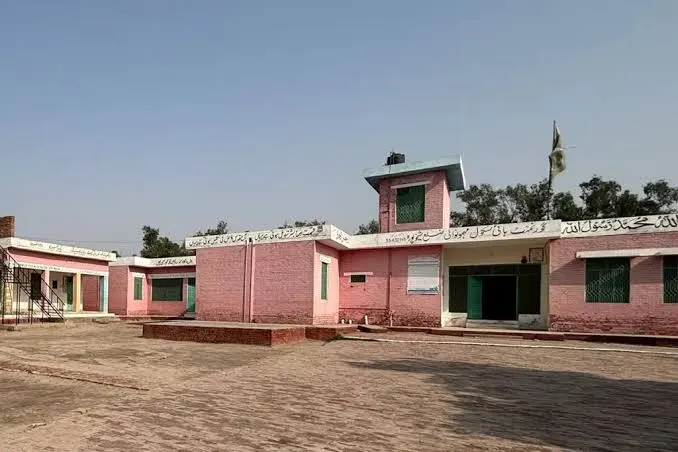
Furthermore, many schools lack child-friendly classrooms, educational toys, reading materials, and suitable sanitation facilities.
Addressing these challenges requires investment in school infrastructure, teacher training, accessible learning resources, and greater awareness among parents and communities.
The Role of Teachers in Early Childhood Development
Teachers play an essential role in creating positive early learning experiences. Young children need supportive educators who understand their individual learning needs and encourage curiosity.
Early childhood teachers should use interactive teaching methods rather than relying entirely on memorization and traditional classroom lectures.
Storytelling, educational games, drawing, music, group activities, and practical demonstrations can make learning enjoyable and effective.
Teacher training is equally important. Educators need to understand child development, classroom management, communication techniques, and age-appropriate educational activities.
Investing in teacher development can improve the quality of early childhood education and create supportive environments where children feel encouraged to learn.
Why Girls and Underserved Children Need Equal Opportunities
Access to early childhood education should be available to every child, regardless of gender, financial background, or geographical location.
Children from low-income families often face greater barriers because their parents may struggle to afford educational expenses or find suitable learning facilities nearby.
Girls in certain communities may also experience social and financial restrictions that affect their access to education.
Providing inclusive early learning opportunities can help reduce educational inequalities from an early age.
When children receive equal opportunities to learn and develop, they become better prepared to participate in society and contribute to their communities.
How Educational Support Can Make a Difference
Improving early childhood education requires resources, trained teachers, appropriate classrooms, and educational materials.
Community participation and financial contributions can help organizations support initiatives that improve access to quality learning.
Individuals interested in contributing can explore educational support in Pakistan and learn more about opportunities to support educational development.
Support for education-related initiatives can contribute toward:
-
Improving school facilities and child-friendly classrooms.
-
Providing books, stationery, and educational materials.
-
Supporting teacher training and professional development.
-
Encouraging access to early learning opportunities.
-
Improving educational infrastructure in underserved communities.
-
Promoting equal educational opportunities for girls and boys.
Responsible support for educational initiatives can help create stronger learning environments and improve opportunities for future generations.
Moawin Foundation: Supporting Educational Development in Pakistan
Moawin Foundation works toward improving educational opportunities and supporting underserved communities in Pakistan.
Its areas of focus include school development, teacher training, education technology, vocational skills develo



Join the conversation