
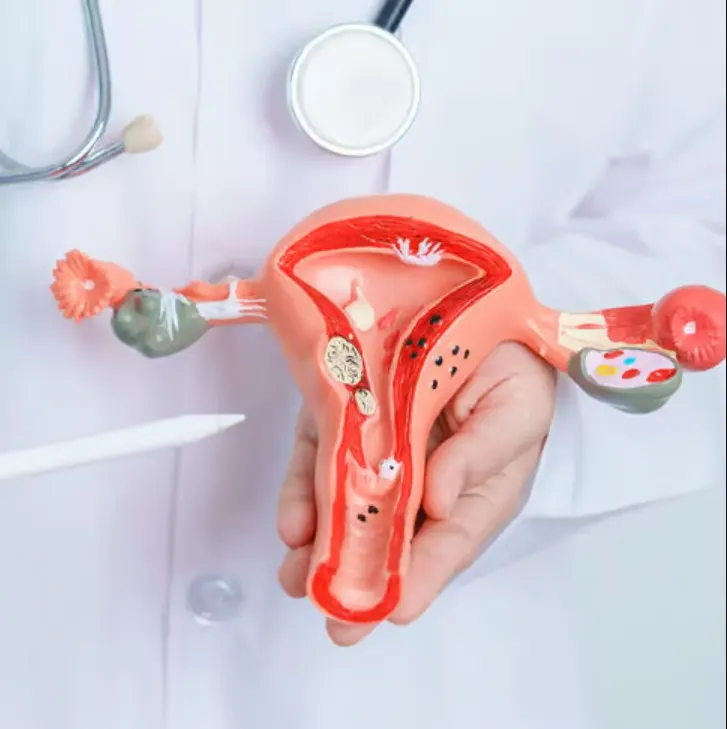

Polycystic Ovary Syndrome (PCOS) is a common hormonal condition that can affect women’s menstrual cycles, reproductive health, metabolism, and overall well-being. It is often associated with irregular periods, hormonal imbalances, acne, unwanted hair growth, and difficulties with ovulation. Although symptoms can vary from person to person, early diagnosis and an appropriate treatment plan can help women manage the condition and maintain better long-term health.
With advancements in women’s healthcare, PCOS Treatment in Dubai focuses on understanding individual hormonal patterns, identifying underlying concerns, and developing personalised care plans. At EV Clinic Dubai, women can explore a comprehensive approach to PCOS management that considers hormonal health, menstrual regularity, metabolic wellness, and reproductive health.
Understanding Polycystic Ovary Syndrome (PCOS)
Polycystic Ovary Syndrome is a hormonal and metabolic condition that affects how the ovaries function. It is commonly associated with elevated androgen levels, irregular ovulation, and changes in menstrual patterns. Despite its name, not every woman with PCOS has ovarian cysts.
PCOS can develop due to a combination of genetic, hormonal, and metabolic factors. Insulin resistance is also frequently associated with the condition, potentially contributing to increased androgen production and changes in menstrual regularity.
Understanding the underlying factors is important because PCOS does not present identically in every woman. Some experience primarily menstrual concerns, while others notice skin changes, weight-related metabolic concerns, or difficulties with ovulation.
Common Signs and Symptoms of PCOS
Recognising the symptoms of PCOS can help women seek medical assessment and receive appropriate care.
Irregular Menstrual Cycles
One of the most common symptoms of PCOS is an irregular menstrual cycle. Women may experience infrequent periods, unpredictable cycle lengths, or missed periods because ovulation does not occur regularly.
Hormonal Imbalances
Higher-than-normal androgen levels can contribute to several physical changes. These may include increased facial or body hair, acne, and changes in scalp hair growth.
Acne and Skin Changes
Hormonal fluctuations can increase oil production in the skin, contributing to persistent acne, particularly around the jawline, chin, and lower face.
Insulin Resistance
Many women with PCOS experience insulin resistance, which means the body’s cells do not respond to insulin as effectively as expected. This can influence blood sugar regulation and contribute to metabolic changes.
Ovulation and Fertility Concerns
PCOS can affect the regular release of eggs from the ovaries. Women who are planning a pregnancy may therefore require additional assessment and personalised reproductive healthcare.
How Is PCOS Diagnosed?
Accurate diagnosis is the foundation of effective PCOS management. Healthcare professionals generally assess menstrual history, physical symptoms, hormonal patterns, and relevant medical information.
Medical History and Symptom Assessment
The initial consultation usually involves discussing menstrual cycles, previous health concerns, family history, skin changes, and reproductive goals. This information helps the healthcare professional understand the patient’s overall health.
Hormonal Blood Tests
Blood tests may be recommended to evaluate androgen levels and other hormones associated with reproductive health. Depending on the patient’s symptoms, additional tests may assess thyroid function, prolactin, and other relevant markers.
Pelvic Ultrasound
A pelvic ultrasound may be used to examine the ovaries and assess their appearance. It can help identify features associated with PCOS, although an ultrasound alone is not sufficient to establish the diagnosis in every patient.
Metabolic Health Assessment
Since PCOS is frequently associated with insulin resistance, healthcare professionals may recommend blood glucose testing, HbA1c, lipid profiles, and other metabolic assessments when appropriate.
Advanced PCOS Treatment in Dubai
Modern PCOS management focuses on addressing individual symptoms and underlying hormonal or metabolic concerns. There is no single treatment that works for every patient. Instead, healthcare professionals develop treatment plans based on medical findings, age, symptoms, and reproductive goals.
At EV Clinic Dubai, a personalised approach to women’s hormonal health can help patients understand their condition and explore appropriate management options.
Hormonal Balance and Menstrual Cycle Regulation
Hormonal management may be recommended for women experiencing irregular periods or other hormone-related symptoms. Depending on individual medical circumstances, healthcare professionals may consider hormonal medications to regulate menstrual cycles.
The treatment approach is selected according to the patient’s medical history and reproductive priorities.
Insulin Resistance Management
Insulin resistance can contribute to hormonal disturbances in women with PCOS. Management may involve nutritional guidance, physical activity recommendations, and medication when clinically appropriate.
Metformin is sometimes prescribed to improve insulin sensitivity and support metabolic health. Its suitability depends on individual medical assessment.
Acne and Skin Symptom Management
Hormonal acne can be an ongoing concern for women with PCOS. Treatment may include dermatologist-recommended topical medications, appropriate skincare, and hormonal management when indicated.
A personalised skincare approach can help address persistent breakouts and support healthier skin.
Androgen-Related Symptom Management
Elevated androgen levels may contribute to unwanted facial hair and scalp hair changes. Depending on the underlying cause and individual circumstances, healthcare professionals may recommend hormonal treatment or other suitable dermatological options.
Reproductive Health and Ovulation Support
For women planning pregnancy, PCOS management may focus on supporting regular ovulation. Depending on the clinical assessment, fertility specialists may consider ovulation-induction medications and appropriate reproductive monitoring.
The treatment plan should always reflect the patient’s reproductive goals and overall health.
Lifestyle Management for Women With PCOS
Lifestyle management is an important part of long-term PCOS care. Consistent everyday habits can support metabolic function, hormonal health, and general well-being.
Balanced Nutrition
A balanced eating pattern that includes vegetables, fruits, whole grains, protein sources, and healthy fats can support metabolic health.
Women with PCOS may benefit from discussing individual nutritional requirements with a qualified healthcare professional or registered dietitian.
Regular Physical Activity
Consistent physical activity can improve insulin sensitivity and support cardiovascular and metabolic health. Activities such as walking, swimming, cycling, and strength-based exercise can be incorporated according to personal ability and preference.
Sleep and Stress Management
Sleep quality and stress management are important aspects of overall hormonal and metabolic wellness. Maintaining a consistent sleep routine and practising relaxation techniques can support general health.
Regular Health Monitoring
Periodic medical assessments help monitor menstrual patterns, metabolic markers, and treatment progress. Follow-up appointments also allow healthcare professionals to adjust treatment recommendations when necessary.
PCOS Treatment Cost In Dubai: What Determines the Price?
The PCOS Treatment Cost in Dubai can vary depending on the patient’s symptoms, diagnostic requirements, recommended treatment, and duration of medical follow-up. Since PCOS is a complex condition, the total cost is not necessarily the same for every patient.
Understanding the factors that influence treatment expenses can help women plan their healthcare more effectively.
Initial Consultation Charges
The first consultation generally involves reviewing symptoms, medical history, menstrual patterns, and reproductive health concerns. Consultation fees may differ depending on the healthcare professional and clinic.
Diagnostic Tests and Investigations
The overall cost may include hormonal blood tests, glucose assessments, thyroid testing, and pelvic ultrasound examinations. The exact investigations depend on the patient’s clinical presentation.
Medication and Treatment Expenses
Some patients may require prescription medications to regulate menstrual cycles, manage insulin resistance, or address other PCOS-related symptoms. Medication expenses depend on the selected treatment and its duration.
Follow-Up Consultations
Regular follow-up appointments are important for reviewing treatment effectiveness and monitoring health indicators. The frequency of these appointments can influence the overall cost.
Personalised Treatment Requirements
Women with different PCOS symptoms may require different management strategies. A patient primarily experiencing irregular periods may have different treatment requirements from someone seeking reproductive health support or metabolic management.
For an accurate estimate, patients should consult EV Clinic Dubai to discuss their symptoms, recommended investigations, and individual treatment requirements.
Why Choose EV Clinic Dubai for Women’s Hormonal Health?
Choosing an appropriate healthcare provider is an important part of managing PCOS. Women benefit from a medical approach that considers their symptoms, personal health history, and long-term reproductive goals.
EV Clinic Dubai focuses on women’s health and personalised medical care, helping patients explore their healthcare concerns through individual assessment and appropriate clinical guidance.
Individualised Healthcare Approach
PCOS affects women differently, making personalised assessment important. Treatment recommendations should be based on individual symptoms, diagnostic findings, and health priorities.
Focus on Hormonal and Reproductive Health
Hormonal balance and reproductive health are closely connected. Understanding these factors can help women make informed decisions about their treatment and future healthcare needs.
Comprehensive Assessment
A structured assessment can help identify hormonal, menstrual, and metabolic concerns that may require attention. Appropriate investigations also help healthcare professionals make informed treatment recommendations.
Ongoing Medical Guidance
PCOS management often requires consistent monitoring rather than a single consultation. Follow-up care helps evaluate progress and make adjustments according to changing health requirements.
Long-Term PCOS Management and Women’s Wellness
PCOS is generally a long-term condition, but its symptoms can often be managed through appropriate medical care and consistent lifestyle habits.
Regular monitoring is important because hormonal and metabolic health can change over time. Women may benefit from periodic assessments of menstrual regularity, blood glucose levels, cholesterol, and other relevant health indicators.
A long-term management plan should also reflect changing reproductive priorities. For example, treatment goals may differ between women who want to regulate their menstrual cycles and those who are planning a pregnancy.
With the right medical guidance, women can better understand their condition and make informed decisions about their health.
Frequently Asked Questions About PCOS Treatment in Dubai
1. Can PCOS Be Completely Cured?
PCOS is a long-term hormonal condition, and there is currently no permanent cure. However, its symptoms can often be effectively managed through individualised medical treatment, lifestyle adjustments, and regular monitoring.
2. What Is the Best Treatment for PCOS?
There is no single best treatment for everyone. Management depends on individual symptoms and health goals. Treatment may involve hormonal medications, insulin resistance management, nutritional guidance, and reproductive health support.
3. How Long Does PCOS Treatment Take?
The duration varies depending on symptoms, treatment goals, and individual response. Some women notice improvements in menstrual regularity within a few months, while other concerns may require longer-term management.
4. Can PCOS Affect Fertility?
Yes. PCOS can interfere with regular ovulation, which may make conception more difficult for some women. However, many women with PCOS can become pregnant naturally or with appropriate fertility treatment.
5. Is PCOS Treatment Available in Dubai?
Yes. Dubai offers access to healthcare professionals who assess and manage PCOS through hormonal investigations, medical treatment, metabolic health assessment, and reproductive healthcare.
6. What Is the Average PCOS Treatment Cost in Dubai?
The PCOS Treatment Cost In Dubai varies according to consultation fees, diagnostic investigations, prescribed medications, and follow-up requirements. Patients should request an individual estimate based on their medical assessment.
7. Does PCOS Always Cause Weight Gain?
No. PCOS does not affect everyone in the same way. Some women experience changes in weight or metabolic health, while others maintain stable weight. Treatment should focus on individual health indicators rather than assumptions.
8. When Should I Consult a Doctor About PCOS?
Women experiencing persistent irregular periods, signs of hormonal imbalance, unexplained menstrual changes, or concerns about ovulation should consider a medical consultation for appropriate assessment.
Conclusion: Take a Proactive Approach to Hormonal and Reproductive Health
PCOS requires an individualised approach that addresses hormonal balance, menstrual health, metabolic function, and reproductive priorities. Although the condition can present different challenges, appropriate medical assessment and long-term management can help women maintain better overall well-being.
If you are exploring PCOS Treatment In Dubai, understanding your symptoms and receiving an appropriate medical evaluation are important first steps. EV Clinic Dubai provides a point of contact for women seeking guidance about hormonal health, PCOS management, and reproductive wellness.
Taking an informed and proactive approach can help you understand your condition, explore suitable treatment options, and make decisions that support your long-term health.



Join the conversation