

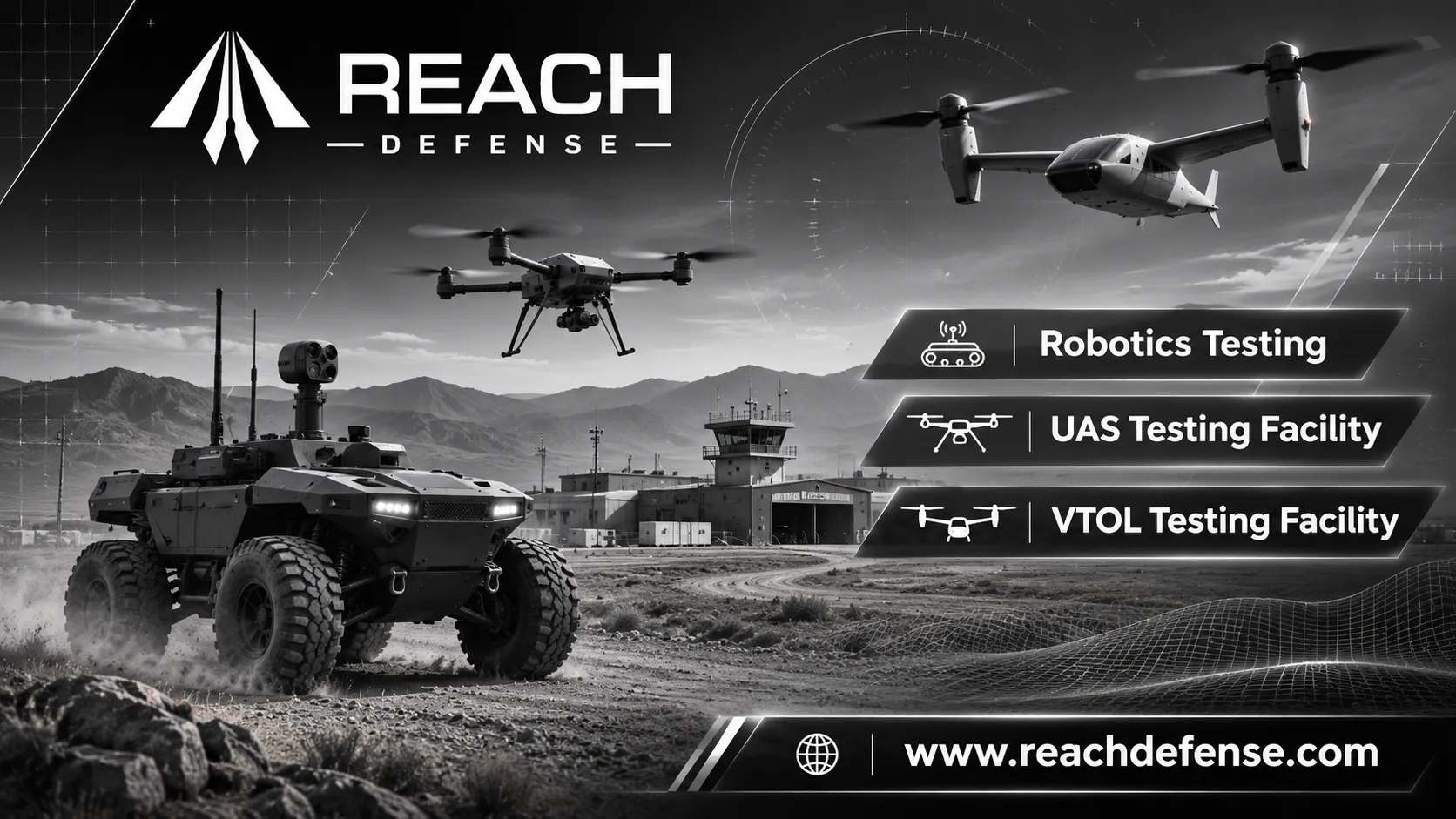

Robotics technology continues to influence manufacturing, agriculture, transportation, aerospace, and scientific research across the United States. Organizations are developing automated machines that can assist people, complete repetitive activities, and operate in specialized environments.
However, developing a robotic system involves more than assembling hardware and writing software. Engineers must understand whether the technology meets its intended requirements and can operate within appropriate safety boundaries.
Professional robotics testing provides a structured approach to evaluating these considerations. Dedicated facilities offer organizations an environment where engineers, researchers, and safety professionals can review technology before wider deployment.
What Is Robotics Testing?
Robotics testing involves evaluating robotic systems to understand their functionality, reliability, usability, and safety.
The process may include reviewing mechanical components, software behavior, electrical systems, human-machine interfaces, and documentation.
Different robotic applications require different evaluation approaches.
For example, an industrial robot used in manufacturing has different operational requirements from an autonomous agricultural vehicle. Similarly, an unmanned aircraft introduces considerations involving aviation regulations and airspace management.
Testing helps organizations understand these differences and establish appropriate development priorities.
Why Dedicated Robotics Testing Facilities Are Important
Laboratories provide valuable environments for research and initial product development. However, some technologies require additional space, specialized infrastructure, and professional oversight.
Dedicated testing facilities can help organizations access these resources without establishing every capability internally.
They also provide environments where researchers can collaborate with engineers, technical specialists, and safety personnel.
A well-organized facility should establish clear operating procedures and ensure that activities remain within approved safety boundaries.
This combination of infrastructure and oversight supports responsible technology development.
Seven Benefits of Professional Robotics Testing
1. Supports Product Safety
Safety is an essential consideration throughout robotics development.
Robotic systems may operate near employees, equipment, vehicles, or other infrastructure. Consequently, organizations must evaluate potential risks associated with their intended applications.
Dedicated facilities can provide controlled environments where qualified professionals review safety requirements.
Organizations should also maintain appropriate documentation and establish responsibilities for supervising evaluation activities.
2. Improves Engineering Documentation
Product development requires reliable technical records.
Engineers need to understand which system version was evaluated, what requirements were reviewed, and which observations were recorded.
Professional evaluation environments encourage organized documentation.
These records can help organizations communicate findings across departments and demonstrate that relevant development procedures were followed.
3. Encourages Professional Collaboration
Robotics development frequently involves several engineering disciplines.
Mechanical engineers, software developers, electrical specialists, product designers, and safety professionals contribute different perspectives.
A dedicated facility can provide a common environment where these individuals collaborate.
Clear communication helps teams understand project requirements and identify questions that require further investigation.
4. Supports Responsible Technology Development
Organizations must consider how autonomous technologies affect people and surrounding environments.
Testing allows businesses to review whether proposed applications align with their operational responsibilities.
This process should include appropriate human oversight and consideration of foreseeable risks.
Responsible development helps establish confidence among customers, employees, and other stakeholders.
5. Provides Access to Specialized Infrastructure
Developing advanced robotics infrastructure can require substantial investment.
Businesses may need dedicated workspaces, equipment storage, technical support, and appropriate evaluation environments.
Shared facilities can provide access to selected resources without requiring each organization to establish an independent research campus.
However, businesses should confirm actual infrastructure availability before committing to a project.
6. Supports Regulatory Preparation
Robotics projects may fall under different regulatory frameworks depending on their applications.
Industrial machinery, autonomous vehicles, and unmanned aircraft have distinct requirements.
Evaluation facilities can provide environments for reviewing relevant safety documentation and preparing for applicable assessments.
Using a testing facility does not automatically establish regulatory compliance or product certification.
Organizations remain responsible for identifying and satisfying applicable obligations.
7. Encourages Informed Business Decisions
Technology development involves significant financial and operational commitments.
Structured evaluation helps business leaders understand which requirements have been reviewed and which questions remain unresolved.
This information can support budgeting, procurement, project planning, and stakeholder communication.
Businesses should evaluate technology readiness using documented evidence rather than relying exclusively on successful demonstrations.
Understanding the Role of a UAS Testing Facility
An unmanned aircraft system, or UAS, includes an unmanned aircraft and associated components necessary for its operation.
A UAS testing facility provides an environment for authorized research and evaluation involving these technologies.
Such facilities may support aviation-related documentation, engineering collaboration, ground infrastructure, and supervised research activities.
In the United States, unmanned aircraft operations must comply with applicable Federal Aviation Administration requirements.
Organizations should confirm airspace permissions, operator qualifications, facility policies, and relevant approvals before conducting flight activities.
What Is a VTOL Testing Facility?
Vertical takeoff and landing technologies are designed to operate without relying on conventional runway-based takeoff and landing methods.
A VTOL testing facility can support research involving these aircraft and their associated infrastructure.
Evaluation requirements vary according to aircraft design, intended application, and regulatory classification.
Researchers may require appropriate ground support areas, engineering workspaces, and professional aviation oversight.
Safety planning is especially important because aircraft operations introduce risks that differ from ground-based robotics.
Choosing an Appropriate Robotics Evaluation Facility
Businesses should evaluate several considerations when selecting a testing environment.
Selection factor
Why it matters
Facility availability
Confirms that required resources are operational
Safety policies
Establishes responsible operating boundaries
Technical support
Helps coordinate research activities
Regulatory readiness
Supports appropriate authorization processes
Documentation practices
Encourages reliable project records
Infrastructure
Determines suitability for intended activities
Project scheduling
Supports realistic development planning
Facility selection should reflect actual project requirements rather than promotional claims alone.
Exploring REACH Defense’s Development Approach
REACH Defense is developing a campus intended to accommodate research across multiple operational environments. Its planned infrastructure includes engineering workspaces and facilities for autonomous technology evaluation.
The organization identifies coordinated evaluation, documentation, and repeatability as important development considerations. Its planned facilities remain subject to further development and applicable approvals.
REACH Defense
Organizations interested in understanding these concepts can explore REACH Defense’s guide to robotics testing and multi-domain evaluation.
Frequently Asked Questions
What industries benefit from robotics testing?
Manufacturing, agriculture, logistics, aerospace, scientific research, and infrastructure inspection can all benefit from appropriate robotic system evaluation.
Why is a UAS testing facility important?
It can provide an organized environment for authorized unmanned aircraft research, subject to applicable aviation regulations and facility requirements.
What does a VTOL testing facility support?
It may support engineering research and appropriately authorized evaluation involving vertical takeoff and landing aircraft.
Does robotics testing guarantee product safety?
No. Testing contributes to safety assessment, but it cannot eliminate every possible risk or replace required certification.
Can multiple engineering teams use the same facility?
Depending on its infrastructure and operating policies, a facility may accommodate several teams working on related research projects.
Conclusion
Robotics testing plays an important role in responsible engineering development, product safety, and technical documentation.
Whether an organization requires a UAS testing facility or a VTOL testing facility, selecting an appropriate research environment requires careful consideration of infrastructure, professional oversight, and regulatory responsibilities.



Join the conversation