

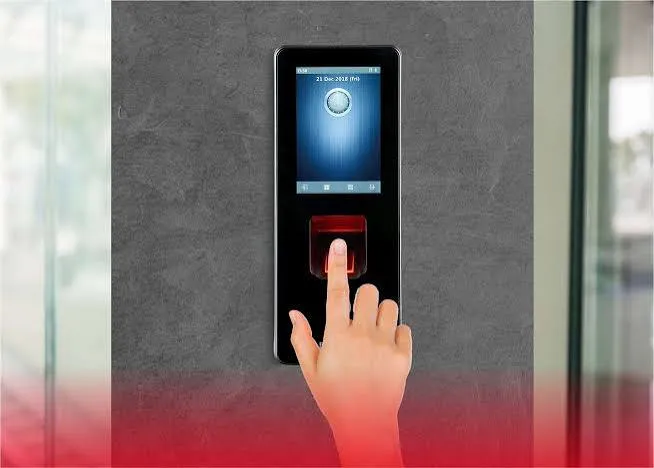

Controlling access to buildings, offices, and restricted areas is an important part of modern security planning. Traditional keys and access cards can sometimes be misplaced, shared, or used by unauthorized individuals. Biometric technology offers another approach by verifying access through unique physical characteristics. With fingerprint scanners, facial recognition devices, and other identification technologies,
a Biometric access control UAE system can help businesses and property owners manage entry more efficiently while improving security across their premises.
What Is Biometric Access Control?
Biometric access control is a security technology that identifies or verifies individuals using distinctive physical or behavioural characteristics. Instead of depending only on keys, passwords, or access cards, the system compares a person’s biometric information with previously registered data.
When an authorized individual approaches a biometric reader, the device captures the required information and checks it against stored records. If the verification is successful, the connected access control system can allow entry through an electronic lock or controlled door.
These systems are commonly considered for corporate offices, commercial buildings, residential complexes, educational institutions, healthcare facilities, and industrial environments. Their configuration depends on the number of users, security requirements, entry points, and existing infrastructure.
Different Types of Biometric Identification Systems
Different biometric technologies are available, and each has its own advantages. Selecting the right option requires understanding the property’s daily activities and expected security level.
Fingerprint Recognition
Fingerprint scanners identify users by examining distinctive patterns on their fingertips. Employees or authorized visitors register their fingerprints in the system before using the reader for entry verification.
Fingerprint access control is commonly used in offices, staff-only rooms, laboratories, and other restricted areas. It can provide convenient identification without requiring employees to carry separate access cards.
Facial Recognition
Facial recognition systems use cameras and recognition software to verify individuals based on facial characteristics. Depending on the equipment, users may be able to enter without touching a reader or presenting a physical credential.
These systems can be useful at reception areas, office entrances, and selected commercial facilities. Proper camera positioning, lighting conditions, device quality, and system configuration are important for reliable performance.
Iris Recognition
Iris recognition uses distinctive patterns in the coloured part of the eye to verify identity. It is a specialized biometric method that may be considered for locations requiring more controlled identification procedures.
The suitability of iris-based technology depends on the environment, equipment availability, user requirements, and overall security design.
Why Businesses Need Biometric Entry Management
Businesses often manage different departments, employees, contractors, and visitors. Giving everyone unrestricted access can create unnecessary security risks, particularly when certain rooms contain confidential information, valuable equipment, or sensitive records.
Biometric access control allows administrators to establish permissions for selected individuals and locations. For example, general employees may enter common office areas, while authorized managers can access server rooms or storage facilities.
A properly configured system can also maintain access records, helping management review entry activity when necessary. When combined with suitable security policies, biometric identification can make workplace access management more organized.
Integration with Existing Security Equipment
Biometric readers can become more useful when connected with other security technologies. Integration allows different components to work together rather than operating as completely separate systems.
A biometric access control setup may be integrated with:
CCTV surveillance: Camera footage can help security personnel review activities around controlled entry points.
Electronic door locks: Compatible locking devices can automatically respond to successful authentication and authorized access commands.
Attendance management: Suitable systems can record employee entry and exit information for attendance-related processes.
Security alarms: Selected configurations can generate alerts when unauthorized access attempts or other defined events occur.
Before combining different devices, compatibility between readers, controllers, software, and locking equipment should be checked carefully.
Important Factors When Selecting a Biometric System
Choosing biometric equipment involves more than comparing device prices or selecting the latest technology. A suitable system should match the property’s security requirements and remain practical for everyday use.
Consider the number of users, expected entry traffic, environmental conditions, and the number of doors requiring controlled access. A busy office entrance may need a faster reader than a small storage room used by only a few employees.
It is also important to consider the system’s management software, reporting features, backup arrangements, and ability to operate with existing security infrastructure. Some organizations may benefit from combining biometric verification with an access card or PIN for additional authentication.
Installation, Configuration, and Regular Maintenance
Correct installation plays an important role in the performance of biometric access control. Readers should be positioned at suitable heights and locations so authorized users can complete verification comfortably. Facial recognition devices also require appropriate positioning and lighting.
The controller, electronic lock, power supply, and management software must be configured to work together. After installation, each access point should be tested to confirm that authorized users can enter and that access permissions operate as intended.
Regular maintenance helps identify issues such as damaged readers, connectivity problems, outdated software, or incorrect user permissions. Organizations should also remove access rights when employees leave or no longer require entry to restricted areas.
Biometric Data Privacy and Security Considerations
Biometric information requires careful handling because it relates to an individual’s unique characteristics. In the UAE, biometric data is included within the framework of personal data protection under Federal Decree-Law No. 45 of 2021, subject to the law’s scope and applicable exemptions.
Organizations should establish a clear purpose for collecting biometric information, limit access to authorized personnel, use appropriate security measures, and maintain suitable data retention practices. They should also understand where information is stored and whether it is shared with external service providers.
Secure storage, appropriate encryption, controlled administrative access, and regular system reviews can help reduce privacy and data security risks. Businesses should assess their legal obligations before introducing biometric identification for employees or visitors.
Why Choose Jesr Al Fasht Security Devices Fix?
Selecting an experienced security solutions provider can help property owners plan an access control system that matches their operational requirements.
Jesr Al Fasht Security Devices Fix recognizes the importance of suitable equipment selection, organized installation, and reliable system configuration.
A practical security setup should consider the number of users, entry locations, required authentication methods, and compatibility with existing equipment. Whether a property needs fingerprint readers, facial recognition devices, electronic locks, or integrated access management, careful planning can support smoother daily operations.
Professional installation and ongoing maintenance also help ensure that the system remains functional as security requirements change.
Conclusion
Biometric technology provides businesses and property owners with a modern way to manage entry permissions and improve access monitoring. Fingerprint scanners, facial recognition devices, and other identification methods can support security across offices, commercial buildings, and restricted facilities. Selecting appropriate equipment, maintaining accurate user permissions, and protecting biometric information are essential parts of a successful installation. A properly planned Biometric access control UAE system can contribute to more organized entry management and stronger security practices.
Frequently Asked Questions
1. What is the main purpose of biometric access control?
Its main purpose is to verify a person’s identity using biometric characteristics before allowing access to a controlled area.
2. Which biometric system is commonly used in offices?
Fingerprint and facial recognition systems are commonly considered for office environments. The appropriate option depends on user numbers, entry traffic, security requirements, and budget.
3. Can biometric access control work with CCTV cameras?
Yes. Compatible access control systems can be integrated with CCTV surveillance to help security teams monitor and review activities around controlled entry points.
4. Does biometric access control require regular maintenance?
Yes. Readers, controllers, locks, software, and user permissions should be checked regularly to support reliable operation and maintain security.



Join the conversation