

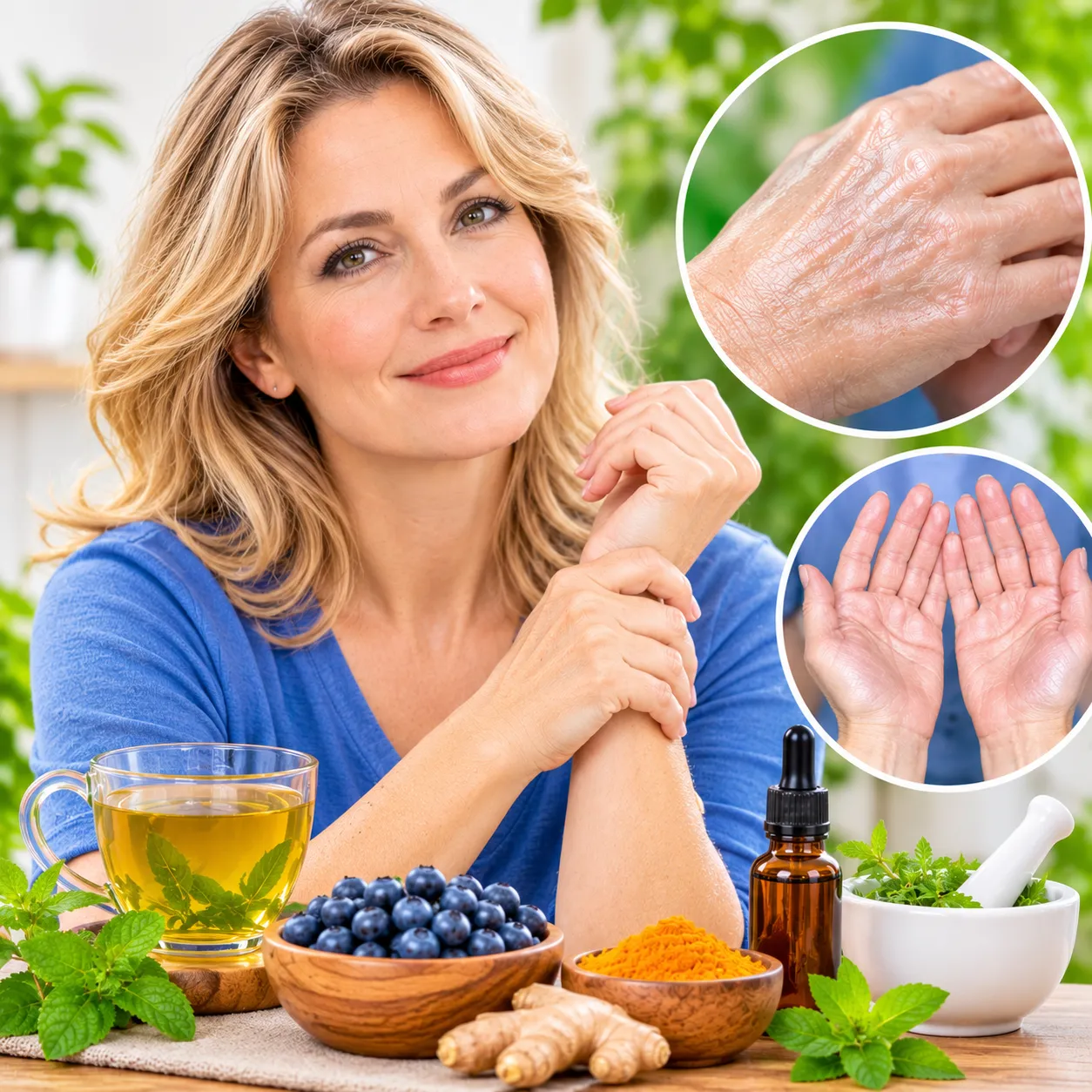

Living with a chronic condition can
bring many physical and emotional challenges, especially when it affects your
skin, joints, digestion, and overall well-being. Scleroderma is a rare
autoimmune disease that causes the body to produce too much collagen, leading
to thickened and hardened skin. (Living with Scleroderma) In some cases, it can also affect internal
organs, including the lungs, heart, kidneys, and digestive system. Although
there is currently no cure for scleroderma, proper medical care and healthy
lifestyle habits can help manage symptoms and improve quality of life.
Living with Scleroderma often means finding practical ways to manage everyday
discomfort while maintaining a healthy and active lifestyle. From protecting
sensitive skin to improving circulation and managing digestive problems, small
daily changes can make a meaningful difference. Alongside prescribed
treatments, certain supportive remedies may help individuals feel more
comfortable and confident in their daily routines.
In this article, we explore ten
practical remedies and self-care strategies that may help support better daily
comfort while living with this condition.
Understanding Scleroderma and Its Daily
Challenges
Scleroderma, also known as systemic
sclerosis in its systemic form, is an autoimmune condition that affects
connective tissue. It can cause excessive collagen production, resulting in
skin thickening, tightness, and reduced flexibility. Some people experience
mild symptoms, while others may develop complications involving different
organs.
Common symptoms include:
- Thick, tight, or itchy skin
- Cold or discolored fingers and toes due to Raynaud’s
phenomenon - Joint stiffness and muscle discomfort
- Acid reflux and digestive problems
- Fatigue and reduced energy
- Difficulty swallowing in some cases
Because symptoms vary from person to
person, managing scleroderma requires an individualized approach. The following
remedies focus on supportive daily care rather than replacing professional
medical treatment.
1. Keep Your Skin
Moisturized Every Day
Skin dryness and tightness are
common concerns among people with scleroderma. Thickened skin can become
uncomfortable, itchy, and more sensitive to environmental conditions. Regular
moisturizing is one of the simplest ways to support skin comfort.
Choose gentle, fragrance-free
moisturizers containing ingredients such as glycerin, ceramides, or hyaluronic
acid. These ingredients help attract and retain moisture, supporting the skin’s
natural protective barrier.
Apply moisturizer immediately after
bathing while your skin is still slightly damp. Avoid harsh soaps, heavily
scented products, and very hot showers because they may increase dryness and
irritation.
Consistent skin hydration can help
reduce discomfort and make everyday activities more manageable.
2. Use Warmth to
Support Healthy Circulation
Raynaud’s phenomenon is frequently
associated with scleroderma. It causes blood vessels in the fingers and toes to
narrow temporarily, especially when exposed to cold temperatures or emotional
stress. This can result in numbness, tingling, pain, and changes in skin color.
Keeping your body warm is an
important part of daily symptom management.
Consider these helpful habits:
- Wear warm gloves and comfortable socks during cold
weather. - Use layers of clothing to maintain body temperature.
- Avoid sudden exposure to cold environments.
- Keep your home comfortably warm.
- Use insulated cups when handling cold drinks.
Warm, rather than excessively hot,
water may also help ease temporary discomfort. Avoid direct heating pads or
very hot water on numb skin because reduced sensation can increase the risk of
burns.
3. Practice Gentle
Exercise and Stretching
Joint stiffness, muscle discomfort,
and limited movement can make everyday tasks difficult for individuals with
scleroderma. Gentle physical activity may help maintain flexibility, support
circulation, and improve general fitness.
Walking, swimming in comfortably
warm water, and gentle stretching are possible options, depending on your
physical condition.
Simple hand exercises may also help
maintain finger movement. For example, slowly opening and closing your hands or
gently stretching your fingers can support mobility.
Start slowly and avoid exercises
that cause pain or excessive fatigue. A physical or occupational therapist
familiar with scleroderma can recommend an appropriate exercise routine based
on your symptoms and abilities.
4. Follow a
Balanced and Nutritious Diet
Good nutrition plays an important
role in supporting overall health. Although no specific diet can cure
scleroderma, eating balanced meals may help maintain energy levels, support
digestion, and provide essential nutrients.
Include a variety of foods, such as:
- Fresh fruits and vegetables
- Whole grains
- Lean proteins, including fish, eggs, and beans
- Healthy fats from nuts, seeds, and olive oil
- Adequate fluids throughout the day
People experiencing acid reflux may
benefit from smaller, more frequent meals instead of large portions.
Identifying personal food triggers can also help reduce digestive discomfort.
If swallowing difficulties,
significant weight loss, or digestive complications occur, consult a healthcare
professional or registered dietitian for personalized nutritional guidance.
5. Explore Natural
Remedies for Scleroderma With Professional Guidance
Many people look for complementary
approaches to support their well-being while managing chronic autoimmune
conditions. Natural Remedies for Scleroderma may include gentle relaxation practices, balanced
nutrition, skin hydration, and other supportive lifestyle habits.
Some individuals also explore herbal
teas and plant-based ingredients as part of their wellness routines. However,
it is important to understand that natural products do not treat the underlying
autoimmune disease or reverse organ damage.
Certain herbs and supplements can
interact with prescription medications or affect blood pressure, circulation,
and organ function. This is particularly important for people with systemic
sclerosis, who may have kidney, liver, heart, or digestive complications.
Before trying any herbal supplement,
essential oil, or alternative therapy, discuss it with your rheumatologist or
pharmacist. Focus on safe, evidence-informed practices rather than products
promising a cure.
6. Choose Gentle
Herbal Care Products for Skin Comfort
Skin care is an essential part of
managing dryness, itching, and sensitivity associated with scleroderma. Some
individuals prefer products containing plant-derived ingredients because they
are looking for gentle additions to their daily skin care routine.
Herbal Care Products
containing ingredients such as aloe vera or colloidal oatmeal may offer
soothing and moisturizing benefits for certain types of dry or irritated skin.
When choosing skin care products,
consider the following tips:
- Look for fragrance-free and gentle formulations.
- Choose products designed for sensitive skin.
- Avoid harsh exfoliants and irritating ingredients.
- Test new products on a small area of skin first.
- Stop using any product that causes redness, burning, or
irritation.
Remember that herbal ingredients are
not automatically safe for everyone. They should be selected carefully,
especially if your skin is fragile or you have open sores.
7. Manage Stress
Through Relaxation Techniques
Living with a chronic illness can be
emotionally demanding. Uncertainty about symptoms, medical appointments, and
physical limitations may contribute to anxiety and stress.
Although stress does not cause
scleroderma, managing it can support emotional well-being and make daily life
more manageable.
Consider incorporating relaxation
activities into your routine, such as:
- Deep-breathing exercises
- Meditation and mindfulness
- Gentle yoga, if medically appropriate
- Listening to calming music
- Spending time outdoors
- Journaling or practicing gratitude
Even spending 10 to 15 minutes each
day on a relaxing activity may help create a healthier daily routine.
If emotional stress becomes
overwhelming, consider speaking with a mental health professional or joining a
support group for people living with autoimmune conditions.
8. Improve
Digestive Comfort With Healthy Habits
Digestive problems are relatively
common in systemic sclerosis because the condition can affect the muscles and
nerves responsible for moving food through the digestive tract.
Acid reflux, bloating, constipation,
and swallowing difficulties may interfere with daily comfort.
Some practical habits may help
manage mild digestive symptoms:
- Eat smaller meals throughout the day.
- Avoid lying down immediately after eating.
- Allow approximately three hours between your last meal
and bedtime if you experience reflux. - Identify foods that trigger your symptoms.
- Stay hydrated, following your healthcare professional’s
fluid recommendations.
Raising the head of your bed may
also help reduce nighttime acid reflux.
Persistent heartburn, difficulty
swallowing, vomiting, or unexplained weight loss should be discussed with a
doctor. These symptoms may require medical evaluation and specific treatment.
9. Prioritize
Quality Sleep and Rest
Fatigue is another challenge that
many people with scleroderma experience. Pain, digestive discomfort, circulation
problems, and emotional stress can interfere with restful sleep.
Developing a consistent sleep
schedule may help improve overall energy and daily functioning.
Try these habits:
- Go to bed and wake up at consistent times.
- Keep your bedroom quiet and comfortable.
- Avoid caffeine close to bedtime.
- Limit screen exposure before sleeping.
- Practice gentle relaxation before bed.
- Balance daily activities with regular rest periods.
If fatigue continues despite
adequate sleep, speak with your healthcare provider. Anemia, sleep disorders,
medication effects, and other medical complications may contribute to
persistent tiredness.
10. Protect Your
Overall Health With Regular Medical Care
Home remedies and lifestyle changes
can support comfort, but regular medical care remains essential when managing
scleroderma.
Because systemic sclerosis can
affect internal organs, routine monitoring helps healthcare professionals
identify potential complications early.
Depending on your condition, your
medical team may recommend:
- Regular rheumatology appointments
- Lung function testing
- Heart health assessments
- Blood pressure monitoring
- Kidney function tests
- Digestive health evaluations
Take prescribed medications as
directed and report any new or worsening symptoms promptly. New breathing
difficulties, chest pain, severe headaches, or sudden increases in blood
pressure require urgent medical attention.
Working closely with a
rheumatologist and other specialists can help ensure that your treatment plan
addresses your individual needs.
Additional Daily Tips for Better Comfort
Alongside these ten remedies, a few
simple habits can make everyday activities easier.
Protect your hands: Use comfortable gloves when cleaning, gardening, or
handling potentially irritating substances.
Avoid smoking: Smoking can worsen circulation and increase the risk of
complications, particularly in people experiencing Raynaud’s phenomenon.
Wear comfortable clothing: Choose soft fabrics and loose-fitting clothes that do not
put unnecessary pressure on sensitive skin.
Stay socially connected: Spending time with supportive friends and family can help
reduce feelings of isolation.
Listen to your body: Avoid pushing yourself beyond your energy limits. Adjust
your routine when symptoms become more noticeable.
These small adjustments can help
create a more comfortable and manageable daily environment.
Conclusion
Living with scleroderma can present
unique challenges, but the right combination of medical treatment, healthy
habits, and supportive self-care can make everyday life more comfortable. From
regular moisturizing and gentle exercise to balanced nutrition and stress
management, small changes can contribute to better overall well-being.
Exploring Natural Remedies for
Scleroderma may also be part of a complementary wellness routine, provided that
every approach is discussed with a qualified healthcare professional.
Similarly, carefully selected Herbal Care Products may support skin hydration
and comfort, but they should never replace prescribed treatment.
Remember that every person’s
experience with scleroderma is different. What works well for one individual
may not be suitable for another. By staying informed, monitoring symptoms, and
working closely with your healthcare team, you can develop a practical
self-care routine that supports your health, comfort, and quality of life.
https://digimoneyblogger.com/why-does-skin-become-dry-and-itchy-during-winter/



Join the conversation