

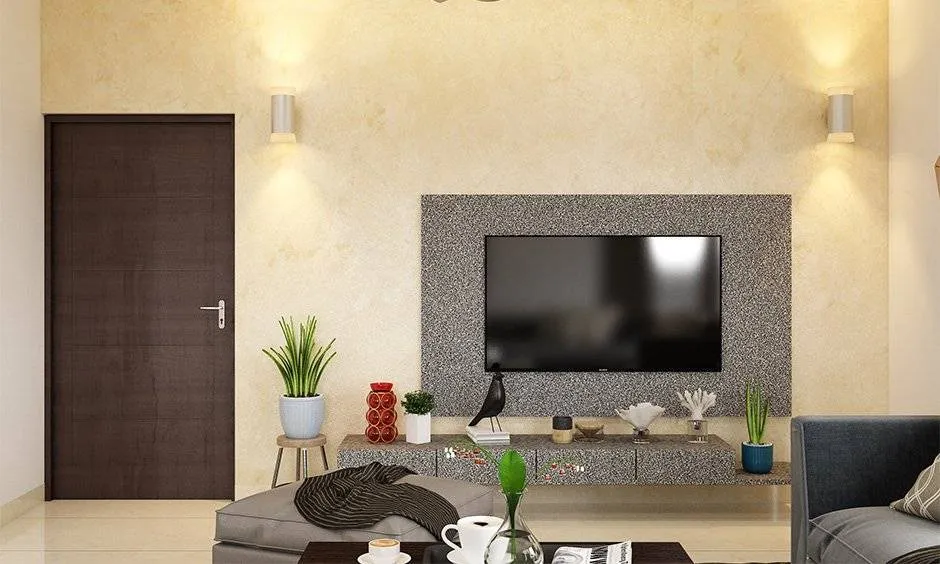

Updating the interior of a home is one of the most effective ways to change the look and feel of a living space. A fresh coat of paint can brighten a dark room, create a more welcoming atmosphere, refresh older walls, and bring different design elements together. However, a successful result depends on more than choosing an attractive color. Surface condition, lighting, room activity, paint finish, and preparation all influence the final appearance.
Selecting the right Interior Paint involves understanding how a room is used and what its walls need to withstand. A quiet bedroom, a busy hallway, and a moisture-prone bathroom have different requirements. Choosing a suitable coating and preparing the surface properly can help create a finish that looks good and remains easier to maintain.
Evaluate the Room Before Choosing Paint
Before comparing colors or paint products, take a closer look at the room itself. Consider the amount of natural light, the condition of the walls, the level of daily activity, and the type of surface being painted. These details can help narrow down the most suitable paint options.
Consider How Much Activity the Room Receives
Some interior spaces experience more contact and wear than others. Hallways, staircases, children’s rooms, and family areas may need coatings that can tolerate frequent cleaning and everyday handling. Guest rooms and less frequently used spaces may have different durability requirements.
Think about how often the walls are touched, whether furniture regularly comes into contact with them, and how likely the surfaces are to develop marks. These considerations can help determine whether a more washable or durable finish is appropriate.
Check the Existing Wall Condition
Paint does not hide every surface problem. Cracks, nail holes, peeling coatings, stains, and uneven repairs can remain visible after a new coat is applied. Inspect the walls before purchasing paint and identify areas that need cleaning, patching, sanding, or priming.
Also consider the existing coating. A previously painted wall in good condition may require less preparation than a surface with loose paint, heavy staining, or significant damage.
Understand How Lighting Changes Paint Color
Paint color can appear different depending on the light in a room. A shade that looks warm in a well-lit showroom may appear cooler or darker in a room with limited natural light. Artificial lighting also influences how colors are perceived.
Observe Natural Light Throughout the Day
Notice when sunlight enters the room and how its intensity changes. Direct sunlight, indirect daylight, and shaded areas can all influence the appearance of wall colors. A color that looks balanced in the morning may appear different in the evening.
Account for Artificial Lighting
Light bulbs with different color temperatures can affect the appearance of paint. Warm lighting may make certain colors look softer or more yellow, while cooler lighting can create a different impression. Consider the lighting already installed before making a final color decision.
Test Samples Before Painting the Entire Room
Testing paint samples is a practical way to avoid choosing a color based only on a small printed swatch. Apply samples to suitable areas of the wall and observe them under different lighting conditions. Compare the results with flooring, furniture, curtains, and other permanent features.
Allow sample coatings to dry according to their instructions before evaluating the final color. Wet paint can look different from its dried appearance.
Choose a Finish That Matches the Room’s Needs
Paint sheen affects both appearance and practical performance. Different finishes reflect light differently and can influence how visible minor surface imperfections become. The best choice depends on the condition of the walls, desired appearance, and expected cleaning requirements.
Flat and Matte Finishes
Flat and matte finishes have limited light reflection, making them useful when a softer appearance is desired. They can help reduce the visibility of minor wall imperfections and work well in many bedrooms, living areas, and ceilings.
However, cleaning performance varies by product. If a room receives frequent contact or requires regular washing, check the manufacturer’s durability and cleaning recommendations before selecting a flat finish.
Eggshell Finishes
Eggshell offers a subtle sheen between flat and more reflective finishes. It is a popular option for many living spaces because it provides a balance between appearance and practical maintenance.
It can be considered for bedrooms, dining areas, and family rooms where a slight sheen is preferred without creating a highly reflective surface.
Satin Finishes
Satin finishes have more noticeable light reflection and are often selected for areas that need a combination of durability and cleanability. They can work well in hallways, kitchens, and other frequently used spaces, depending on the specific paint product.
Because satin reflects more light than flat finishes, surface preparation becomes especially important. Patches, sanding marks, and uneven areas may become more noticeable under certain lighting conditions.
Semi-Gloss Finishes
Semi-gloss creates a more reflective appearance and is commonly considered for trim, doors, cabinets, and other surfaces that benefit from a harder-looking finish. It can also be suitable for certain moisture-prone areas when the product is specifically recommended for that application.
Check the coating label before using any finish in bathrooms, laundry areas, or other spaces with higher humidity.
Explore Benjamin Moore Interior Paint Options
Different paint lines are developed to meet different performance and application requirements. Conwell Home Center offers Benjamin Moore interior paint options, including Aura, Regal Select, and Ben. Understanding the general differences can help narrow down which products deserve consideration for a particular project.
Benjamin Moore Aura Interior Paint
Aura is a premium Benjamin Moore paint line known for its color performance and durable finish. It is worth considering when color richness and overall coating performance are important parts of the project.
Benjamin Moore also offers Aura Bath & Spa, a specialized interior paint designed for bathrooms and other high-humidity environments. Its formulation is intended for moisture-prone spaces, making it an option to evaluate when choosing paint for suitable bathroom surfaces.
Benjamin Moore Regal Select
Regal Select is another option for homeowners looking for a durable interior coating. The product line includes features designed to support application, coverage, and routine maintenance. Its available finishes and formulations should be reviewed to identify the best match for the intended room.
For spaces where walls experience regular use, compare the specific Regal Select product specifications and recommended cleaning practices before making a decision.
Benjamin Moore Ben Interior Paint
Ben is an interior paint option designed for everyday residential painting projects. It offers a practical choice for homeowners who want to refresh interior surfaces with a dependable Benjamin Moore coating.
Consider the available colors, sheens, and application recommendations when deciding whether it suits the project. Comparing product details rather than selecting by brand name alone can help ensure the coating matches the surface and room conditions.
Prepare Walls for a More Consistent Finish
Surface preparation has a direct effect on how the finished paint looks. Even a high-quality coating may produce disappointing results when applied over dirty, damaged, or poorly prepared walls. Allow enough time for preparation instead of treating it as an optional step.
Clean Interior Surfaces
Remove dust, grease, fingerprints, and other contaminants using a suitable cleaning method. Kitchen walls and frequently touched areas may need additional attention because residues can interfere with paint adhesion.
Allow cleaned surfaces to dry completely before continuing. Follow the cleaning product instructions and avoid leaving residue behind.
Repair Cracks and Surface Damage
Fill appropriate nail holes, small cracks, and damaged areas with a compatible repair compound. Once dry, sand the repaired areas smooth and remove remaining dust.
For larger cracks, recurring moisture damage, or significant wall deterioration, identify and address the underlying problem before repainting. Covering an unresolved issue with paint will not provide a lasting solution.
Use Primer When Necessary
Primer helps prepare certain surfaces for the finish coat. It may be necessary when painting bare drywall, covering stains, changing from a dark color to a much lighter shade, or working with surfaces that need improved adhesion.
For stubborn stains, a specialized stain-blocking primer may be appropriate. Zinsser B-I-N shellac-based primer is one example available through Conwell Home Center. It is designed for stain blocking and sealing, but the manufacturer’s directions should be followed to confirm surface compatibility, ventilation requirements, and application procedures.
Choose the Right Application Tools
The application equipment should match the surface size, texture, and coating. Using appropriate tools can help maintain even coverage and make it easier to reach corners and detailed areas.
- Paint rollers: Useful for covering larger wall and ceiling areas efficiently. Select a roller nap suitable for the surface texture.
- Angled brushes: Helpful for cutting in around ceilings, trim, windows, and corners.
- Paint trays: Provide a convenient way to load rollers and manage paint during application.
- Extension poles: Help reach higher walls and ceilings while maintaining a comfortable working position.
- Drop cloths and masking materials: Protect floors, furniture, fixtures, and adjacent surfaces from accidental paint splashes.
Keep tools clean and in suitable condition. A worn roller cover or damaged brush can make it more difficult to achieve a consistent result.
Plan Paint Quantity and Application Time
Estimating the amount of paint required before starting can help prevent unnecessary trips and interruptions. Begin by measuring the height and width of each wall and calculating the total surface area. Subtract large openings such as doors and windows where appropriate.
Compare the calculated area with the coverage information printed on the paint container. Actual coverage can vary depending on surface texture, porosity, application method, and the number of coats required.
Also consider the drying and recoat times. Some surfaces may need primer and multiple finish coats, while color changes or significant repairs may require additional preparation. Follow the product label rather than assuming every paint dries or recoats at the same rate.
Maintain Painted Walls After the Project
Once the paint has been applied, proper care helps preserve the appearance of the room. Avoid aggressive cleaning immediately after painting, as the coating may need time to cure beyond its initial drying period.
After the recommended curing period, use cleaning methods suitable for the selected paint finish. Gentle cleaning with an appropriate solution is generally preferable to abrasive scrubbing. Address small marks when they appear and keep leftover paint properly labeled for future touch-ups.
Store remaining paint according to the manufacturer’s instructions, with the container securely closed and kept in a suitable location. Record the product name, color, sheen, and room where it was used. This information makes future maintenance and matching easier.
Find Benjamin Moore Interior Paint at Conwell Home Center
A successful interior painting project begins with understanding the room, selecting a suitable finish, testing colors, and preparing surfaces correctly. Comparing paint lines and following application recommendations can help you achieve a result that complements your home while meeting everyday performance needs.
Conwell Home Center serves Provincetown and the surrounding Cape Cod community, offering Benjamin Moore paint options such as Aura, Regal Select, and Ben. The store also provides custom paint color matching to help with your project. Explore the available Interior Paint at Conwell Home Center to find suitable coatings and colors for your next home improvement project.



Join the conversation