

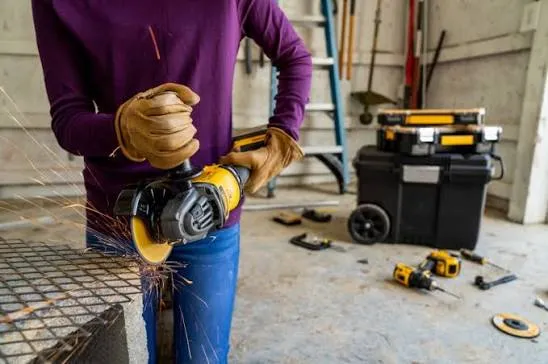

A well-organized workshop makes repairs, installations, construction tasks, and DIY projects easier to manage. However, having a large collection of equipment does not automatically make a workspace efficient. The real advantage comes from choosing tools that match the work, keeping essential accessories within reach, and organizing everything so that projects can move smoothly from preparation to completion.
Whether you are maintaining a home, managing a workshop, or handling professional jobs, the right Hand And Power Tools can improve accuracy, reduce unnecessary effort, and help you work with greater consistency. From measuring and fastening to cutting, drilling, and material preparation, understanding how different tools fit into a project helps you build a more practical equipment collection.
Organize Your Workshop Around the Work You Perform
Before purchasing additional equipment, consider the types of projects you complete most often. A workshop used for woodworking will have different priorities from one focused on automotive repairs, home maintenance, or general construction.
Start by dividing your workspace into functional areas. A measuring and marking station can keep layout equipment together, while a separate bench can be used for cutting, drilling, and assembly. Store frequently used hand tools in accessible locations and keep specialized equipment in designated storage areas.
This approach makes it easier to locate the right equipment and reduces the time spent moving between unrelated tasks. It also helps identify missing tools before a project begins.
Build a Reliable Collection of Essential Hand Tools
Hand tools remain important even in workshops that use modern power equipment. They provide control for detailed work, allow adjustments in confined spaces, and support tasks where powered equipment may be unnecessary.
Hammers and Striking Tools
Hammers are used for fastening, assembly, demolition, and material adjustment. Different designs serve different purposes, so choose a hammer based on the material and type of work rather than relying on one tool for every application.
A general-purpose claw hammer is useful for driving and removing nails. Heavier striking tools may be appropriate for certain demolition or construction tasks, while smaller hammers offer better control for lighter assembly work. Always inspect the handle and striking face before use.
Screwdrivers and Nut Drivers
Fasteners come in different shapes and sizes, making a suitable screwdriver collection essential. Phillips, slotted, square-drive, and specialty screwdrivers help accommodate different screw heads.
Nut drivers are useful when working with hex-head fasteners that require a more controlled approach than an adjustable wrench can provide. Keeping common sizes together makes it easier to select the right tool during assembly and maintenance.
Pliers and Wrenches
Pliers provide gripping, holding, bending, and cutting capabilities depending on their design. Slip-joint, long-nose, locking, and cutting pliers each serve different purposes. A selection of suitable pliers can make electrical, mechanical, and general repair tasks more manageable.
Wrenches are equally important for tightening and loosening nuts and bolts. Combination wrenches, adjustable wrenches, and socket sets help handle different fastener sizes and working conditions. Using the correct size reduces the risk of damaging fastener edges.
Utility Knives and Cutting Tools
Utility knives are useful for opening packaging, trimming suitable materials, and performing general workshop tasks. Select blades designed for the material being cut and replace dull or damaged blades when necessary.
For more demanding work, specialized handsaws, snips, files, and chisels may be needed. Each tool should be selected according to the material, required cut, and level of precision.
Choose Power Tools According to Project Requirements
Power tools help complete repetitive or demanding work more efficiently. They can reduce physical effort and improve consistency when the equipment is suitable for the material and task.
Consumer Power Tools for General Maintenance
Consumer-grade power tools are commonly used for household repairs, furniture assembly, small renovation projects, and occasional workshop tasks. Cordless drills, compact saws, and other general-purpose equipment can cover many everyday requirements.
When comparing tools, consider the power source, handling, speed settings, accessories, and intended workload. A compact tool may be easier to control in tight areas, while a more powerful model may be appropriate for demanding applications.
Heavy-Duty Power Tools for Frequent Use
Professional and heavy-duty tools are designed for more demanding applications and frequent operation. Contractors and experienced users may need equipment that can handle longer working sessions, tougher materials, or specialized tasks.
Consider the expected workload, compatibility with accessories, maintenance requirements, and available support when selecting equipment. Buying a more powerful tool than necessary does not always improve results; the best choice is one that matches the actual work.
Stationary and Benchtop Equipment
Some workshop operations benefit from stationary equipment rather than handheld tools. Benchtop machines can provide a stable working platform for repeated cutting, shaping, or other controlled operations.
Before adding stationary equipment, consider available floor space, workbench strength, power requirements, dust management, and safe operating clearance. Proper positioning helps create a more organized and functional workspace.
Select the Right Cutting and Drilling Accessories
Power tools depend on compatible accessories to perform different operations. A drill, saw, or rotary tool may be versatile, but its results are strongly influenced by the bit or blade being used.
Drill Bits for Different Materials
Drill bits are available in different designs for wood, metal, masonry, and other materials. Using an appropriate bit helps improve cutting performance and reduces unnecessary wear.
- Wood drill bits: Designed for drilling into wood and wood-based materials.
- Metal drill bits: Suitable for compatible metals when used with the correct speed and cutting approach.
- Masonry bits: Designed for drilling into suitable masonry materials such as brick and concrete.
- Hole saws: Used to create larger circular openings in compatible materials.
- Self-feed bits: Useful for certain larger-diameter holes in wood.
Always check the drill’s specifications and accessory compatibility. Material thickness, hardness, required hole size, and operating speed should all influence your selection.
Saw Blades for Accurate Cutting
Different saw blades are designed for different cutting operations. Circular saw blades, jigsaw blades, reciprocating saw blades, and specialty cutting blades should be selected according to the material and desired result.
Tooth design, blade dimensions, material compatibility, and the saw manufacturer’s recommendations all matter. A suitable blade can help produce cleaner cuts and reduce unnecessary strain on the equipment.
Grinding and Abrasive Accessories
Grinding wheels and abrasive accessories are used for certain cutting, smoothing, shaping, and surface-preparation tasks. The correct accessory depends on the material, machine, and operation being performed.
Never assume that an abrasive wheel will fit every grinder. Verify the diameter, mounting arrangement, maximum operating speed, and intended application before installation. Damaged or unsuitable accessories should not be used.
Measuring and Marking Tools Improve Accuracy
Accurate measurements help prevent wasted materials and avoid mistakes during installation or assembly. Measuring and marking tools should be part of every well-equipped workshop, regardless of project size.
- Tape measures: Useful for measuring lengths, widths, heights, and distances.
- Levels: Help check whether surfaces and installations are level or plumb.
- Squares: Support layout work and help check angles and corners.
- Chalk lines: Useful for marking long, straight reference lines.
- Marking tools: Pencils, markers, and other layout accessories help transfer measurements onto materials.
- Precision measuring tools: Useful when projects require more detailed measurements and tighter tolerances.
Measure carefully before cutting or drilling. For important dimensions, checking the measurement a second time can prevent mistakes that are difficult or expensive to correct later.
Use Clamps and Vises for Better Workpiece Control
Keeping materials stable is an important part of accurate and safe workshop work. Clamps and vises help hold workpieces in position during cutting, drilling, fastening, and assembly.
Clamps are available in different sizes and designs for holding materials together or securing them to a work surface. A vise provides a more fixed holding arrangement for compatible workshop operations.
Choose equipment with sufficient capacity for the material being handled. Position clamps carefully so they do not interfere with the tool or cutting path. Avoid excessive pressure that could damage softer materials.
Keep Tools Organized With Practical Storage Solutions
Tool organization affects both productivity and equipment condition. When tools are left scattered across work surfaces, it becomes harder to locate them, inspect them, and return them to storage after use.
Toolboxes and Portable Storage
Metal toolboxes and plastic organizers are useful for storing commonly used hand tools, fasteners, and smaller accessories. Portable storage makes it easier to carry essential equipment between work areas or job sites.
Modular and Soft Tool Storage
Modular storage systems can help organize equipment according to project type or tool category. Soft storage bags and wearable organizers are useful for carrying selected tools during installation and maintenance work.
Workbenches and Sawhorses
A suitable workbench provides a stable area for assembly, repairs, and general workshop tasks. Sawhorses can support materials during cutting and other operations when used on a stable, level surface.
Keep heavy equipment stored securely and avoid placing tools where they could fall or obstruct walkways. An organized workshop is easier to maintain and more comfortable to work in.
Make Safety Part of Every Tool Selection
Tool selection should always include safety considerations. Even basic equipment can cause injuries when used incorrectly or maintained poorly.
- Wear appropriate eye protection when cutting, drilling, grinding, or performing other tasks that may produce flying particles.
- Use hearing protection when operating noisy equipment.
- Follow the manufacturer’s instructions for tool setup, operation, and maintenance.
- Inspect cords, batteries, handles, blades, and accessories before use.
- Secure workpieces before drilling, cutting, or shaping materials.
- Use the correct protective equipment for the specific material and operation.
- Disconnect power or remove batteries before changing accessories or performing maintenance when instructed by the manufacturer.
Also consider ventilation and dust control when working with wood, masonry, metal, or other materials that produce airborne particles. Use equipment-specific guards and never bypass built-in safety features.
Create a Tool Maintenance Routine
Regular maintenance helps keep equipment in usable condition and makes it easier to identify problems before the next project. A simple inspection routine can prevent damaged accessories or poorly maintained tools from disrupting work.
- Remove dust, debris, and residue after completing a task.
- Inspect cutting edges, drill bits, and blades for wear or damage.
- Check handles, grips, cords, and housings for visible defects.
- Maintain batteries and chargers according to manufacturer instructions.
- Lubricate moving components when recommended.
- Store tools in dry, organized locations.
- Replace damaged accessories rather than continuing to use them.
Build Your Workshop With Complete Supply Company
A practical workshop does not need every available tool. It needs a dependable selection of equipment that supports the work you perform regularly. By combining essential hand tools, suitable power equipment, compatible accessories, accurate measuring tools, and organized storage, you can create a workspace that is easier to manage and ready for a wide range of projects.
Complete Supply Company offers a broad selection of workshop and project equipment, including hand tools, power tools, drill bits, saw blades, measuring tools, clamps, storage solutions, and safety equipment. Explore the available Hand And Power Tools to find equipment and accessories for home repairs, professional work, and workshop projects.



Join the conversation