

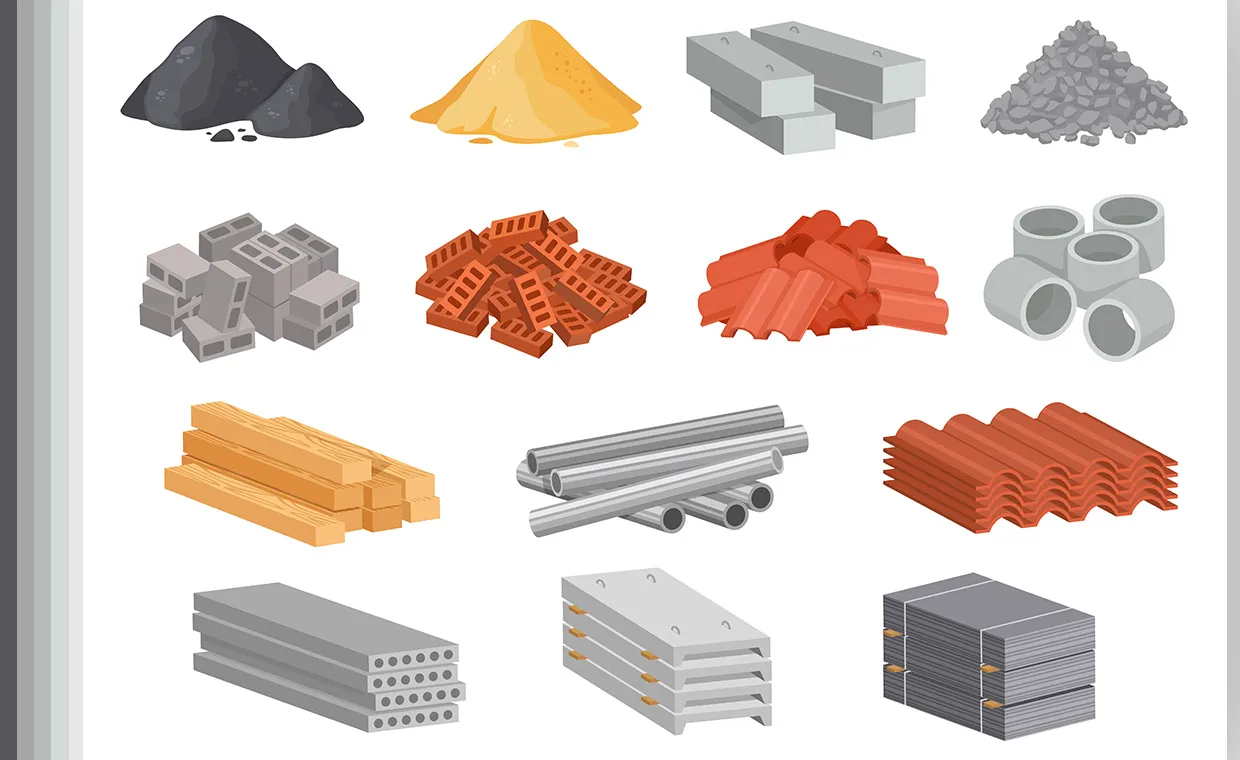

A successful construction or renovation project depends on more than having the right tools and a clear design. The materials used at each stage must work together, suit the building conditions, and meet the practical requirements of the finished space. From preparing surfaces and securing components to completing tile installations and sealing gaps, choosing appropriate materials helps prevent avoidable delays and rework.
Choosing the right Building Supplies starts with understanding the sequence of work. A repair, room renovation, or larger improvement project may require adhesives, mortar, grout, weathersealing products, and other construction essentials. Planning these materials before work begins makes it easier to coordinate tasks, manage quantities, and achieve a dependable result.
Start With a Material Plan Before Construction Begins
One of the most common project-planning mistakes is purchasing materials individually without considering how they will be used together. A product that works well for one application may not be suitable for another. For example, an adhesive intended for a particular substrate or environment should not automatically be treated as a universal bonding solution.
Before purchasing supplies, divide the project into stages and identify what each stage requires. Consider the following:
- Project dimensions: Measure the areas involved to estimate material quantities and reduce unnecessary purchases.
- Surface conditions: Identify whether the work involves concrete, wood, drywall, masonry, tile, or another material.
- Environmental exposure: Determine whether materials will be used indoors, outdoors, or in areas exposed to moisture and temperature changes.
- Installation requirements: Check whether products require mixing, special application tools, surface preparation, or curing time.
- Work sequence: Identify which materials must be installed first and which depend on completed or cured surfaces.
This approach creates a more organized purchasing list and helps prevent situations where work stops because an essential material is missing.
Choose Adhesives According to the Materials Being Joined
Adhesives are useful in many construction and repair applications, including securing panels, attaching building components, and completing interior improvement work. However, adhesive selection should always be based on the materials being bonded and the conditions the finished joint will experience.
For example, the Titebond Green Choice Heavy Duty Construction Adhesive listed at Waddington Hardware is a construction adhesive option for projects requiring a strong bond. Before using any adhesive, review the manufacturer’s instructions for compatible surfaces, application conditions, recommended coverage, and curing requirements.
Several factors deserve attention when selecting a construction adhesive:
- Substrate compatibility: Confirm that the adhesive is designed for both surfaces being joined.
- Moisture exposure: Check whether the product is suitable for dry, damp, or moisture-prone conditions.
- Application method: Follow the recommended bead size, coverage pattern, and surface preparation instructions.
- Setting and curing time: Allow the bond to develop according to the product directions before placing stress on the assembly.
Using the correct adhesive can help create a more dependable connection while reducing the need for unnecessary mechanical adjustments or repeated repairs.
Understand the Difference Between Mortar, Adhesive, and Grout
Tile projects often involve several products that perform different functions. Thin-set mortar bonds tiles to an appropriate substrate, while grout fills the joints between installed tiles. Tile adhesive products may also be available for specific applications. These materials are not automatically interchangeable, so selecting the correct one is essential.
Thin-Set Mortar for Tile Installation
Traditional thin-set mortar is commonly supplied as a dry mixture that must be combined with water according to the manufacturer’s instructions. It is used to create a bonding layer between compatible tile and substrate surfaces. The type of tile, installation location, and substrate all influence which mortar should be selected.
Waddington Hardware lists Custom Building Products Custom Blend Gray Thin-Set Mortar in a 50-pound bag. This product is described as an economical option offering good bond strength for most tile and floor installations. Always check the product label to confirm that it is appropriate for the specific tile and installation conditions.
Pre-Mixed Products for Specific Tile Applications
Pre-mixed tile products can simplify certain smaller installations by removing the need to prepare a dry mortar mixture. However, ready-to-use products have their own application limitations. For example, the Custom Building Products CTTSGQT Pre-Mixed Ceramic Tile Thin-Set Mortar listed by Waddington Hardware is intended for interior applications. Its product instructions should be reviewed carefully, especially when working with larger tiles or surfaces exposed to moisture.
Grout for Completing Tile Joints
After tiles have been installed and the bonding material has reached the required stage, grout is used to fill the spaces between them. Joint width, tile type, location, and desired appearance help determine the appropriate grout.
Waddington Hardware lists Custom Building Products Polyblend Plus Sanded Grout in Natural Gray and Arctic White. These options provide different finishing colors for tile projects. The Natural Gray version is described as a polymer-modified, cement-based sanded grout suitable for joint widths from 1/8 inch to 1/2 inch. Confirm the manufacturer’s recommendations for the specific tile and joint dimensions before purchasing.
Pay Attention to Gaps Around Doors and Building Openings
Small gaps around doors, windows, and other openings can affect indoor comfort. Air movement through poorly sealed spaces may create drafts and make it harder to maintain consistent indoor temperatures. Weathersealing materials provide a practical way to address suitable gaps around building components.
The M-D PLATINUM self-adhesive foam weatherseal listed at Waddington Hardware is one option for sealing compatible openings. Its flexible foam construction and adhesive backing make it suitable for certain weatherstripping applications.
Before installing weatherseal, inspect the opening and measure the gap. Consider these points:
- Clean the surface so the adhesive can make proper contact.
- Choose a thickness that fits the gap without preventing doors or windows from closing properly.
- Measure the required length before cutting the material.
- Apply the strip evenly and press it into place according to the product instructions.
- Test the opening after installation to confirm that it operates normally.
Weatherstripping is not a replacement for repairing damaged frames, addressing structural gaps, or correcting water intrusion. Those issues should be resolved before applying a sealing product.
Coordinate Materials With the Construction Schedule
Even suitable materials can create problems when they are used in the wrong order. Construction and renovation work usually follows a sequence in which one completed task prepares the surface for the next. Planning the schedule around material requirements helps maintain that sequence.
For example, a tile installation may require surface preparation, mortar application, tile placement, setting time, grouting, and final cleanup. Moving to the next stage too early can affect the finished installation. Similarly, applying weatherseal before cleaning and preparing the contact surface may reduce its ability to adhere properly.
Build a simple schedule that accounts for:
- Delivery or pickup of essential materials.
- Surface preparation and any necessary repairs.
- Product mixing, application, and installation time.
- Required drying or curing periods.
- Final inspection and cleanup.
Pay particular attention to product instructions when working with multiple materials. Different adhesives, mortars, and sealants can have different temperature, moisture, and curing requirements.
Estimate Quantities and Keep a Small Project Reserve
Accurate material estimates help control project costs and reduce unnecessary waste. Start by measuring the area or length that needs to be covered. Then compare those measurements with the coverage information provided on each product package.
For tile installations, calculate the surface area and consider the tile layout and cutting requirements. Mortar and grout quantities will depend on factors such as tile dimensions, joint width, and installation conditions. For weatherstripping, measure the total length of openings that need sealing. For adhesives, follow the manufacturer’s coverage guidance rather than estimating solely from the container size.
It is also sensible to account for reasonable cutting waste or small application losses. However, avoid purchasing excessive quantities without considering storage conditions and product shelf life. Some construction materials have specific storage requirements and should be protected from moisture, extreme temperatures, or damaged packaging.
Check Product Compatibility and Safety Before Use
Construction materials should always be selected and handled according to their intended applications. Product labels and technical instructions provide important details about suitable substrates, environmental conditions, application methods, protective equipment, and disposal.
Before starting work, check the following:
- Whether the product is approved for the intended surface and location.
- Whether it is suitable for interior or exterior use.
- Whether additional primer, preparation, or compatible materials are required.
- How long the product needs to dry, set, or cure.
- What gloves, eye protection, ventilation, or other precautions are recommended.
When a project involves electrical systems, plumbing, structural modifications, or other regulated work, follow applicable building codes and use qualified professionals where required. Choosing appropriate materials is important, but correct installation is equally essential.
Build a More Organized Project With Waddington Hardware
Good project planning begins with understanding what each stage requires. Adhesives, thin-set mortar, grout, and weathersealing products all serve different purposes, and selecting them according to surface compatibility and installation conditions can help avoid unnecessary delays. Accurate measurements, careful scheduling, and attention to manufacturer instructions also contribute to better project results.
Whether you are handling a home repair, updating a room, or preparing for a larger renovation, explore the Building Supplies available at Waddington Hardware to find materials for your project. A well-planned selection of building supplies makes it easier to organize the work, coordinate each stage, and move toward a finished space that meets your practical needs.



Join the conversation