


Introduction
Selecting an industrial warning device requires an understanding of the environment in which it will operate. A device that works suitably on a small control panel may not be appropriate for a large production area. Similarly, electrical requirements and mounting arrangements can differ from one installation to another.
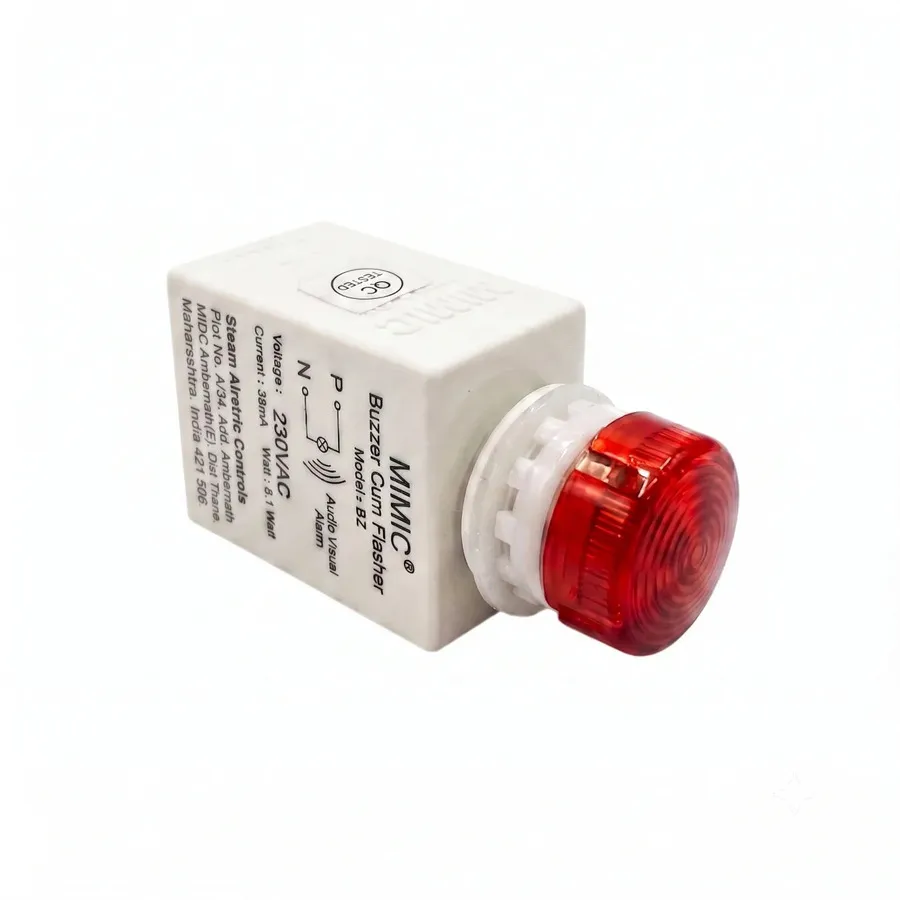
An Audio Visual Alarm is generally selected when an application requires both sound and a visible indication. Before choosing one, it is useful to review the operating voltage, sound output, light visibility, installation method, and surrounding conditions.
1. Check the Operating Voltage
Voltage compatibility is one of the first points to verify. Industrial electrical installations may use different AC and DC supply arrangements. The selected device must match the voltage specified for the intended circuit.
Using an incompatible supply can lead to incorrect operation or damage. Engineers should check the equipment documentation and control-panel wiring details before installation.
The Audio Visual Alarm should also be considered in relation to the available control output. The activation circuit must be suitable for the device’s electrical requirements.
2. Understand the Sound Requirements
The audible signal needs to be noticeable in the intended working area. However, the required sound output depends on the surrounding environment.
A device installed in a quiet electrical room may have different requirements from one used near motors, compressors, or manufacturing machinery.
Consider these points:
- Background noise during normal operation
- Distance between the device and personnel
- Whether the signal is continuous or intermittent
- The possibility of multiple alarms operating nearby
- Whether the sound can be distinguished from other notifications
The objective is to make the warning noticeable without creating unnecessary confusion.
3. Review the Visual Indication
The visual section should be easy to see from the positions where operators normally work. Its visibility can be affected by lighting conditions, mounting height, viewing angle, and physical obstructions.
An Audio Visual Alarm installed inside a crowded panel area may not provide the same visibility as one positioned on an unobstructed surface.
The colour and flashing pattern should also be considered in the context of the site’s signaling conventions. A consistent approach helps operators understand different indications.
4. Consider Installation Space
Control panels often contain several electrical components within a limited enclosure. The dimensions and mounting requirements of the warning device should therefore be checked before installation.
Important details include:
- Available mounting space
- Panel cut-out or fixing arrangement
- Clearance from nearby components
- Access for wiring and maintenance
- Visibility after the panel door is closed
A suitable mounting position makes inspection and maintenance easier.
5. Examine the Working Environment
Dust, moisture, temperature changes, vibration, and other environmental conditions can influence equipment suitability.
An Audio Visual Alarm used in a clean indoor control room may have different environmental requirements from a device installed near a production process. The enclosure protection and operating limits should be checked against the actual installation conditions.
6. Check Control Circuit Compatibility
The warning device may be connected to a relay output, controller, or other switching circuit. The electrical characteristics of the output must be compatible with the device.
Engineers should also decide how the alert will be acknowledged, stopped, or reset. These functions depend on the control-system design and should be documented clearly.
Conclusion
Selecting an Audio Visual Alarm involves reviewing several connected factors rather than focusing on sound or light alone. Voltage, signal visibility, mounting space, environmental conditions, and control compatibility all influence the final choice. A careful selection process helps ensure that the device suits the intended application and can be maintained properly.
Also Visit: How Buzzer Cum Flasher Devices Support Industrial Automation Systems



Join the conversation