
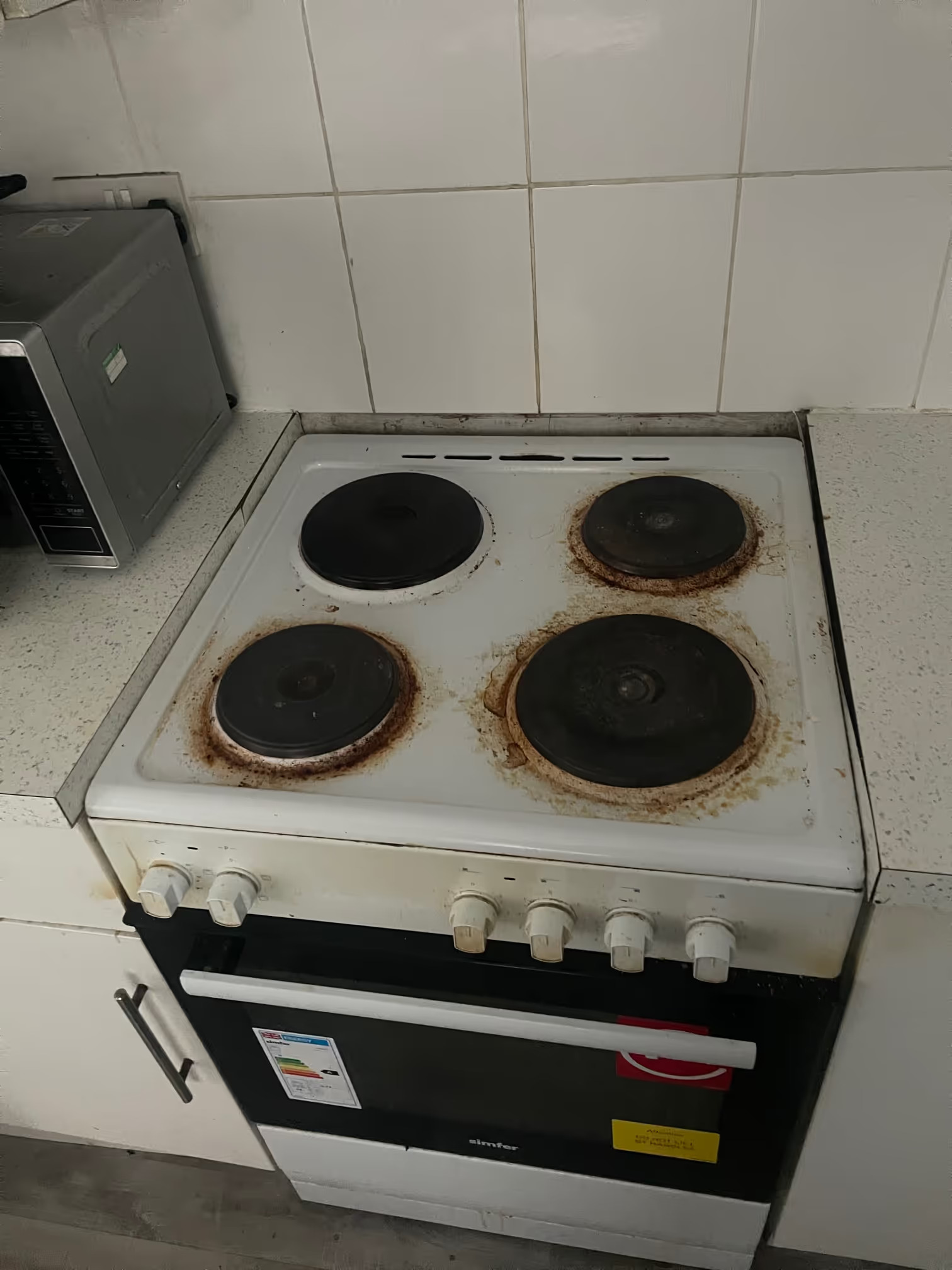

Gas safety is a serious responsibility for anyone who owns, rents out, or manages property in London. Whether it’s a residential flat, a rented house, an HMO, or a commercial building, keeping gas appliances safe helps protect occupants from carbon monoxide poisoning, gas leaks, fires, and other potentially dangerous situations. A gas safety certificate London property owners arrange provides a formal record of the checks carried out on relevant gas appliances and installations by a qualified Gas Safe registered engineer. For landlords, these inspections are also a legal requirement under the Gas Safety (Installation and Use) Regulations 1998.
Yet many property owners remain uncertain about inspection frequency, certificate costs, and which appliances need checking. Understanding these requirements can prevent unnecessary delays, support legal compliance, and help identify dangerous faults before they become serious problems.
What Is a Gas Safety Certificate?
A gas safety certificate, commonly called a CP12 in residential rental properties, is a document issued following a gas safety inspection by a suitably qualified Gas Safe registered engineer.
The record confirms the results of safety checks on relevant gas appliances and flues. It also identifies defects, unsafe conditions, and any action required.
During a typical inspection, an engineer may examine:
- Gas boilers, cookers, fires, and other relevant appliances.
- Gas pressure and appliance operating conditions.
- Flues and ventilation arrangements.
- Safety devices and combustion performance, where applicable.
- Signs of gas leaks, unsafe connections, or defective installations.
The inspection’s exact scope depends on the appliances and installation. A certificate records the findings at the time of inspection and doesn’t guarantee that equipment will remain safe indefinitely.
For landlords searching for gas safety certificates London, choosing an engineer qualified for the particular appliance type is essential.
Who Needs a Gas Safety Certificate in London?
Gas safety obligations differ depending on how a property is occupied and used.
Landlords and Rental Property Owners
A landlord gas safety certificate London is generally required for rented residential properties containing gas appliances or flues covered by the landlord’s legal duties.
Landlords must arrange safety checks at least every 12 months, subject to the permitted timing rules, and maintain appropriate records.
A copy of the current gas safety record must be provided to existing tenants within 28 days of the check and to new tenants before they occupy the property.
These requirements apply to many private rental properties, including flats, houses, and HMOs.
Homeowners
Owner-occupiers aren’t generally required to obtain an annual residential gas safety certificate london for their own homes.
Even so, regular inspections and servicing are sensible precautions, particularly where boilers, cookers, or gas fires have been operating for several years.
Homeowners purchasing older properties may also arrange a gas inspection to better understand the condition of existing appliances.
Commercial Property Managers
Commercial properties can have different gas safety responsibilities depending on the premises, equipment, and working environment.
A commercial gas safety certificate London may be relevant for restaurants, cafés, commercial kitchens, offices, and other workplaces.
Commercial inspections must be carried out by engineers holding the appropriate Gas Safe qualifications for the appliances involved.
Residential and Commercial Gas Safety Certificates Compared
Although both inspections address gas safety, the equipment and documentation involved can differ considerably.
| Inspection feature | Residential gas safety | Commercial gas safety |
|---|---|---|
| Common document | CP12 landlord gas safety record | Commercial gas safety inspection record, often called CP42 for kitchens |
| Typical properties | Rental houses, flats, HMOs | Restaurants, cafés, commercial kitchens, workplaces |
| Appliances | Boilers, gas cookers, gas fires | Commercial cookers, ovens, boilers and catering equipment |
| Inspection frequency | At least every 12 months for covered landlord appliances | Determined by applicable legal duties, equipment and risk |
| Engineer requirements | Gas Safe registered and qualified for domestic appliances | Gas Safe registered with relevant commercial qualifications |
| Main purpose | Tenant safety and landlord compliance | Workplace safety and compliance with relevant duties |
The correct inspection should always reflect the actual appliances and their intended use.
What Happens During a Gas Safety Inspection?
A professional gas safe engineer follows a structured process to assess the safety of relevant gas appliances and installations.
The engineer first identifies the appliances requiring inspection and examines their condition. They may check operating pressures, ventilation, flue performance, combustion characteristics, and safety controls, as appropriate.
If an appliance shows signs of unsafe operation, the engineer must follow the applicable gas industry safety procedures.
Defects may be classified as Immediately Dangerous (ID) or At Risk (AR), depending on the circumstances. The engineer explains the findings and any necessary action.
Once the inspection is completed, the gas safety record identifies the appliances checked, inspection results, defects, and engineer details.
Property managers should retain these records and arrange repairs promptly where necessary.
How Much Does a Gas Safety Certificate Cost in London?
The gas safety certificate cost London property owners pay varies according to the number of appliances, property type, inspection requirements, and access arrangements.
A straightforward residential CP12 inspection will generally cost less than an inspection involving multiple commercial catering appliances.
Factors affecting the final price include the number of gas appliances, location, parking restrictions, additional testing requirements, and whether boiler servicing is requested separately.
A gas safety inspection and a boiler service aren’t identical. An inspection assesses safety, while servicing involves maintenance work according to the manufacturer’s instructions.
Before booking, landlords should confirm what’s included in the quotation, whether additional appliances attract charges, and whether any remedial work would be priced separately.
How Often Should Landlords Renew Their Gas Safety Certificates?
For most rented residential properties, landlords must arrange gas safety checks every 12 months.
Under the regulations, checks can be completed within the final two months of the existing 12-month period without losing the original annual deadline, provided the relevant conditions are met.
This flexibility helps landlords arrange inspections around tenant availability while maintaining a consistent annual schedule.
A gas safety certificate for landlords should never be treated as a substitute for necessary repairs or routine maintenance.
If an engineer identifies an unsafe appliance, the landlord must take appropriate action rather than simply waiting for the next inspection.
Choosing a Qualified Gas Safe Engineer in London
Searching for a gas safe engineer near me is often the first step when a certificate is due for renewal.
But location alone shouldn’t determine which contractor is selected.
Every engineer carrying out gas work must be appropriately registered and qualified for the relevant work. Property owners can verify registration and appliance qualifications through the official Gas Safe Register.
It’s also worth checking whether the provider can arrange access with tenants, supply clear inspection records, and explain any defects found.
For landlords managing several properties, consistent scheduling and accurate documentation can make annual compliance considerably easier.
Common Problems Identified During Gas Safety Checks
Gas safety inspections sometimes reveal issues that occupants haven’t noticed during everyday use.
Common findings can include inadequate ventilation, defective flues, unsafe appliance connections, poor combustion, and malfunctioning safety controls.
Carbon monoxide is particularly dangerous because it cannot be seen or smelled. Faulty gas appliances and inadequate ventilation can increase the risk of exposure.
Where a gas leak is suspected, occupants should follow emergency gas safety guidance and contact the National Gas Emergency Service on 0800 111 999 from a safe location.
A valid inspection record is useful, but responding quickly to faults is equally necessary.
Finding a Gas Safety Certificate Near Me
Landlords often search for a gas safety certificate near me when a tenancy is about to begin or an existing certificate is approaching its renewal date.
Local availability can be particularly useful for managing occupied properties, where inspections must be coordinated with tenants or managing agents.
Safe Home London is one provider offering gas safety inspection services across London, alongside other property safety services.
For landlords arranging a landlords gas safety certificate London, their services provide an option for coordinating residential inspections and related certification requirements.
Property owners should confirm the relevant inspection scope, engineer qualifications, pricing, and available appointments before proceeding.
Why Proper Gas Safety Records Matter
A gas safety record is more than an administrative document.
For landlords, it provides evidence that the required inspection was undertaken and helps identify defects requiring attention. For managing agents, organised records make it easier to monitor renewal dates across multiple properties.
Landlords must retain gas safety records for at least two years, with additional record-keeping requirements applying when using the permitted early-check arrangements.
Accurate documentation can also be useful during property management reviews, tenant enquiries, and discussions about maintenance responsibilities.
Ultimately, arranging inspections on time and addressing defects promptly is the most practical approach to managing gas safety responsibilities.
Arranging a Gas Safety Certificate in London
Property owners seeking a gas safe certificate London should begin by identifying the appliances requiring inspection and confirming whether the property is residential or commercial.
They should then contact a suitably qualified provider, confirm the inspection price, and arrange access.
Landlords should also allow enough time to provide the required records to tenants and resolve any defects discovered during the visit.
With a consistent inspection schedule and properly maintained records, property owners can manage their gas safety obligations more effectively while protecting the people who use their buildings.
Contact Safe Home London for Gas Safety Certificates
Safe Home London provides gas safety inspection and certification services for property owners, landlords, and managing agents across London. Those requiring a landlord gas safety certificate London or information about residential and commercial inspections can contact their team to discuss property requirements, pricing, and appointment availability.
Company Name: Safe Home London
Phone : 020 4628 6560
Address: 47 Ellora Road, London, England, SW16 6JG
Email: info@safehomelondon.co.uk
Property owners can contact SafeHome London to request a quotation and arrange a suitable inspection appointment.

Join the conversation