
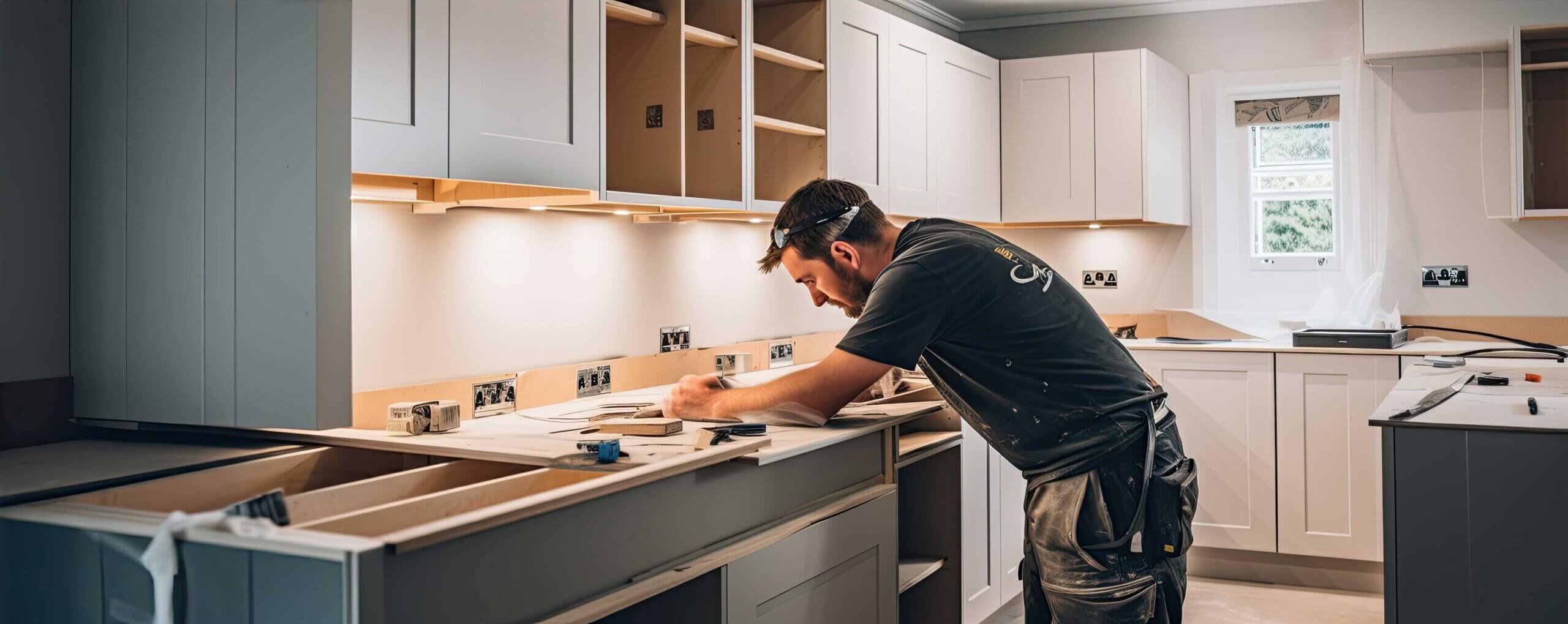

Replacing outdated kitchen countertops can improve the room’s appearance and make everyday cooking easier. However, many homeowners begin shopping without understanding the full project expense. Stone prices, fabrication, installation, and additional kitchen work can all affect the final budget. A successful countertop replacement requires more than selecting a beautiful surface. We should compare materials, evaluate the existing cabinets, and understand which services the estimate includes. Therefore, early planning helps reduce unexpected costs and supports a smoother renovation.
Understanding the Total Cost of New Kitchen Countertops
The new kitchen countertop cost depends on several factors, including material choice, countertop dimensions, fabrication, and installation requirements. For example, a small kitchen with simple straight counters may involve less complex fabrication than a large kitchen with several corners and an island. However, square footage alone does not explain every expense. Sink cutouts, decorative edges, slab dimensions, and removal of existing surfaces may influence the total. Therefore, we should request complete estimates rather than comparing only material prices. For homeowners in Milwaukee, understanding local installation requirements and material availability can help create a more realistic renovation budget.
Comparing Common Kitchen Countertop Materials
Different countertop materials come with different pricing structures and maintenance needs. Therefore, we should begin by comparing performance and appearance.
Granite Countertops
Granite is a natural stone with distinctive mineral patterns. It offers useful scratch resistance and generally handles typical kitchen conditions well. However, some granite varieties require periodic sealing. The final cost depends on slab selection, dimensions, and fabrication requirements.
Quartz Countertops
Engineered quartz provides consistent colors and patterns. It also generally requires no periodic sealing. However, excessive heat can damage its resin components. We should compare different product collections because prices and performance specifications vary.
Marble Countertops
Marble offers natural veining and a classic appearance. However, it is vulnerable to etching from acidic substances. Therefore, homeowners who prefer marble should understand its maintenance needs. Some marble varieties also cost considerably more than others.
Quartzite Countertops
Quartzite is a natural stone that can feature dramatic patterns. Many varieties offer strong surface hardness. However, porosity and maintenance requirements vary. We should ask about the selected slab’s characteristics before purchasing.
How Kitchen Size Influences Pricing
A larger kitchen generally requires more countertop material. However, layout complexity also matters. For example, a long, straight surface may be easier to fabricate than several small sections with unusual angles. Therefore, accurate measurements are important.
Measuring Countertop Area
We should begin by identifying the countertop sections that need replacement. These may include perimeter cabinets, kitchen islands, and breakfast bars. However, final measurements should come from the fabricator when required. Wall irregularities, appliance clearances, and slab layout can affect the cutting plan.
Understanding Slab Usage
Natural stone and engineered surfaces come in specific slab sizes. Therefore, the layout may create material waste or require additional sections. For example, a large island may need a particular slab dimension. We should discuss slab availability before finalizing the design.
Why Edge Profiles Affect the Budget
Countertop edge profiles influence appearance and fabrication work. Simple eased edges often require less complex shaping than decorative profiles. Meanwhile, rounded, beveled, and ogee edges can create different design effects. However, extra shaping may increase costs.
Choose Edges Based on the Kitchen Style
Modern kitchens often look attractive with simple edges. Traditional cabinets may complement decorative profiles. However, the most expensive edge is not automatically the best option. We should choose a profile that matches the countertop and surrounding finishes. This helps control spending while maintaining a coordinated design.
Sink Cutouts and Plumbing Expenses
Sink installation can affect countertop pricing. For example, undermount sinks require suitable cutting, finishing, and support. Drop-in sinks use a different installation approach. However, both styles need accurate measurements.
Confirm Sink Specifications Early
We should select the sink before final countertop fabrication. The installer needs exact dimensions and manufacturer information. Changing sink models after cutting begins can create additional expenses. We should also confirm faucet openings and required clearances.
Understand Plumbing Responsibilities
Countertop installers do not always handle plumbing. Therefore, we should ask who will disconnect and reconnect the sink. Some projects require a separate plumber. A complete estimate should identify these responsibilities. This prevents confusion on installation day.
Budgeting for Kitchen Island Countertops
Kitchen islands often require large countertop sections. Therefore, they can influence material costs. However, island pricing depends on dimensions, thickness, and fabrication requirements. A large overhang may also need additional support.
Consider Seating and Walking Space
An island should provide useful preparation or dining space. However, installing an oversized island can make the kitchen difficult to use. We should confirm walking clearances before finalizing dimensions. A smaller, well-planned island may offer better everyday comfort.
Review Seam Placement
Some islands require seams because of slab dimensions. However, visible seams may affect the preferred appearance. We should discuss seam locations with the fabricator before approving the layout. This helps establish realistic expectations.
When Existing Cabinets Need Repairs
New countertops depend on suitable cabinet support. However, older cabinets may have damage or uneven surfaces. For example, moisture beneath a sink can weaken some cabinet materials. We should inspect the cabinets before installing heavy stone.
Cabinet Leveling and Reinforcement
Uneven cabinets can affect countertop alignment. Therefore, installers may need to adjust the supporting surfaces. Large overhangs may also require additional brackets or other support. However, structural requirements depend on the selected material and dimensions. These items should become part of the initial estimate.
Removing Old Countertops
Countertop replacement often begins with removing the existing surface. However, removal work can uncover hidden damage. For example, damaged cabinet tops or wall finishes may require repairs. Therefore, we should discuss these possibilities before installation.
Protecting the Kitchen During Removal
Removal can create dust and debris. We should clear nearby work areas and protect personal belongings. Moreover, the contractor should explain how the old materials will be disposed of. These details help the project proceed more smoothly.
Comparing Countertop Suppliers
Choosing suitable countertop suppliers involves more than reviewing the lowest advertised price. We should compare material options, fabrication experience, installation services, and written estimates. A reliable supplier should explain what the project includes. However, homeowners should still confirm the details independently.
Ask for an Itemized Quote
A written estimate should identify the chosen material and installation scope. We should also ask about measuring, delivery, edge fabrication, sink cutouts, and removal. If plumbing or cabinet repairs are excluded, that should be clear. For homeowners in Milwaukee, comparing local project proposals can help identify differences in included services.
Review Material Availability
Some countertop colors may require special orders. Therefore, we should confirm availability before scheduling demolition. A delayed slab can affect the renovation timeline. We should also discuss alternatives if the preferred material becomes unavailable. However, substitutions should receive homeowner approval.
Balancing Upfront Cost With Long-Term Value
The least expensive countertop is not always the best choice. Some materials require additional maintenance. Others may have different resistance to heat, stains, or scratches. Therefore, we should consider expected use over time.
Think About Daily Cleaning
A busy kitchen needs a surface that is practical to maintain. For example, some homeowners prefer materials with simple cleaning requirements. Meanwhile, others appreciate natural stone enough to accept additional care. We should choose according to household habits.
Consider the Overall Kitchen Design
Countertops should complement the cabinets, flooring, and backsplash. However, replacing every surrounding material may increase costs. If existing cabinets remain in good condition, selecting a suitable countertop color can create a noticeable improvement without a complete remodel. This may provide better value than unnecessary changes.
Common Countertop Budgeting Mistakes
One mistake is comparing material prices without installation costs. Another is choosing a sink after fabrication begins. Homeowners may also overlook cabinet conditions or assume that every edge profile costs the same. Therefore, careful planning helps avoid unnecessary expenses.
Avoid Last-Minute Changes
Changing countertop colors or dimensions late in the project can affect material orders. Similarly, moving appliances may require new measurements. We should approve the major specifications before fabrication begins. Clear decisions support better scheduling and budget control.
Preparing for Countertop Installation
Cabinets should be stable and ready for final measurements. We should also provide accurate sink and appliance specifications. Before installation day, nearby surfaces and belongings should be protected. However, the contractor should explain any specific preparation requirements. For kitchen projects in Milwaukee, discussing the complete work schedule can help coordinate material delivery, installation, and plumbing reconnection.
Final Thoughts
Replacing kitchen countertops can improve appearance and everyday function. However, the total price depends on more than the material itself. We should consider fabrication, installation, sink openings, edge details, cabinet preparation, and removal work. By comparing complete estimates and choosing materials that match our needs, homeowners can plan a renovation with greater financial confidence.
Frequently Asked Questions About Kitchen Countertop Replacement Costs
1. How much does it cost to replace kitchen countertops?
The cost of replacing kitchen countertops depends on the material, kitchen size, fabrication, and installation requirements. Granite, quartz, marble, and quartzite have different price ranges. Additionally, sink cutouts, edge profiles, and removal of existing countertops can increase the total project cost.
2. What is the most affordable kitchen countertop material?
Laminate is generally one of the more affordable countertop materials. However, some entry-level granite and quartz options may fit moderate renovation budgets. Homeowners should compare material prices, durability, maintenance needs, and installation expenses before making a decision.
3. Can I replace kitchen countertops without replacing cabinets?
Yes, homeowners can replace kitchen countertops without changing existing cabinets if the cabinet structure remains strong, stable, and properly aligned. However, damaged or uneven cabinets may need repairs before installation. Keeping suitable cabinets can help reduce overall renovation expenses.
4. What additional costs should I consider when replacing countertops?
Additional expenses may include old countertop removal, sink cutouts, plumbing work, edge fabrication, delivery, and cabinet adjustments. Moreover, backsplash repairs or special countertop supports may increase the budget. Therefore, homeowners should request an itemized estimate that explains all included services.
5. Which countertop material offers the best long-term value?
Granite and quartz are popular choices for homeowners seeking durability and manageable maintenance. Granite offers natural patterns and useful scratch resistance, while quartz provides consistent designs and generally requires no sealing. However, the best long-term value depends on household needs, installation quality, and proper care.
6. Do kitchen countertop edge styles affect installation costs?
Yes, countertop edge profiles can affect fabrication expenses. Simple eased edges usually require less shaping, while decorative styles such as ogee or detailed beveled edges may involve additional cutting and polishing. Therefore, selecting an edge that complements the kitchen design and budget can help control costs.
7. How can I save money when replacing kitchen countertops?
Homeowners can manage countertop replacement costs by keeping structurally sound cabinets, choosing practical edge profiles, and avoiding unnecessary layout changes. Additionally, comparing complete estimates from different countertop suppliers helps identify suitable options. Selecting materials early can also reduce unexpected expenses during fabrication and installation.



Join the conversation