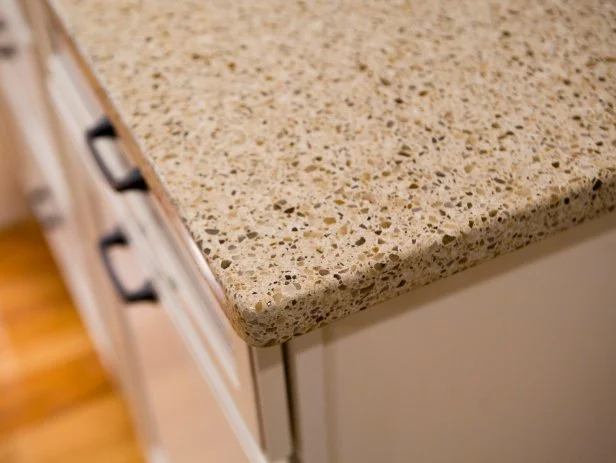
Replacing kitchen countertops can completely change how a room looks and functions. However, choosing a surface involves more than finding the right color. We also need to consider how the material performs during cooking, how it fits the cabinets, and whether the installation cost matches our renovation budget. Quartz has become a common choice for homeowners who want a consistent appearance and manageable maintenance. It comes in many colors and patterns, including designs inspired by natural marble. Nevertheless, a successful countertop project requires careful planning, accurate measurements, and reliable fabrication.
Why Quartz Deserves Consideration During a Kitchen Renovation
Modern quartz countertops provide an attractive combination of design flexibility and practical performance. Engineered quartz uses mineral content and binding materials to create a dense surface with relatively low porosity. Therefore, it generally does not require the regular sealing associated with many natural stone countertops. Quartz also offers a wide range of appearances. Some designs feature soft veining, while others have more consistent colors and subtle patterns. As a result, we can match quartz with white cabinets, natural wood finishes, darker cabinetry, or contemporary kitchen designs. However, quartz is not completely resistant to damage. Excessive heat, harsh chemicals, and incorrect installation can affect its performance. Understanding these limitations helps us choose the right surface for everyday use.
Choosing Quartz Based on Kitchen Activities
A countertop should support the way we use our kitchen. For example, households that prepare meals frequently need enough surface space for cutting boards, cookware, and ingredients. Meanwhile, families that use the kitchen for casual dining may prefer a large island with comfortable seating. Therefore, we should examine daily routines before choosing the countertop layout.
Plan Food Preparation Areas Carefully
Useful preparation space should remain close to the cooking and cleaning areas. For example, a countertop between the refrigerator and cooktop can help reduce unnecessary movement. Likewise, enough space beside the sink makes washing and preparing food easier. However, we should avoid filling every available area with appliances. Microwaves, coffee machines, and other equipment can reduce usable workspace when placed without a clear plan.
Consider the Needs of a Busy Household
A family kitchen may handle several activities at once. Children may use the island for meals while someone else prepares dinner. Therefore, the layout should allow comfortable movement and clear work areas. Quartz can work well in these settings because its smooth surface supports routine cleaning. Nevertheless, cutting boards and trivets remain important. These simple habits help protect the countertop and maintain its appearance.
Understanding Quartz Colors and Patterns
Quartz manufacturers offer many different surface designs. White quartz creates a bright appearance and can make cabinets stand out. Meanwhile, gray quartz provides a neutral option that works with several design styles. Beige and cream tones introduce warmth, especially when paired with natural wood cabinets. Black quartz can create stronger contrast and suit contemporary interiors. However, the chosen color should complement the kitchen’s existing features.
Compare Samples With Cabinets and Flooring
A countertop sample may look different under showroom lighting than it does at home. Therefore, we should compare samples with the actual cabinets, flooring, and backsplash materials. For example, cool white quartz may look less balanced beside very warm beige flooring. Similarly, a gray countertop with blue undertones may not coordinate with certain wood finishes. We should examine the samples under both natural and artificial lighting. This helps us make a more confident decision before ordering.
Planning the Countertop Layout and Dimensions
Quartz fabrication requires accurate measurements. The final countertop must fit against walls, surrounding cabinets, and appliances while allowing space for sinks and other openings. Therefore, measurement errors can lead to installation delays or additional fabrication costs. Before the project begins, we should confirm cabinet placement and appliance dimensions.
Kitchen Islands Need Special Attention
A kitchen island may require a large countertop section with carefully planned overhangs. However, the island’s dimensions should not interfere with walkways or seating. We should also review structural support requirements, especially when the design includes extended stone overhangs. Quartz slab size varies by manufacturer and product line. Consequently, some large islands may require seams or a different slab selection. Discussing these details before fabrication can prevent unexpected design changes.
What Influences the Total Cost of Quartz Countertops?
Budget planning is one of the most important parts of a countertop renovation. The quartz countertop cost depends on the selected product, total surface area, slab dimensions, edge details, fabrication work, and installation requirements. Some quartz designs carry higher prices because of their manufacturing methods, patterns, or product collections. Moreover, kitchens with unusual layouts may require additional cutting and finishing. Therefore, we should compare complete project estimates rather than focusing only on material pricing.
Additional Expenses to Consider
A countertop project may involve more than replacing the visible surface. For example, the existing countertop may need removal before installation. Cabinets may also require leveling or structural adjustments. Sink cutouts, faucet openings, plumbing disconnection, and reconnection can affect the project cost. Furthermore, backsplashes and wall repairs may create additional expenses. We should discuss these items before signing an installation agreement.
Avoid Overpaying for Unnecessary Features
Quartz countertops offer many design options, but not every upgrade provides practical value. For example, an elaborate edge profile may increase costs without improving everyday function. A large island may also look attractive but reduce walking space. Instead, we should prioritize a suitable layout, durable construction, and enough preparation area. Choosing features based on actual needs can help keep the renovation within budget.
Comparing Quartz With Other Countertop Materials
Quartz competes with several other popular countertop options. Granite provides natural patterns and good surface hardness. However, some granite varieties need periodic sealing. Marble offers distinctive natural veining, although it can etch when exposed to acidic substances. Quartzite is a natural stone that can provide strong performance. However, its appearance, porosity, and care requirements vary by variety. Quartz provides more consistent design choices and generally simpler sealing requirements.
Understand Heat and Cleaning Limitations
Quartz contains resin binders that can be affected by excessive heat. Therefore, we should not place hot pans directly on the countertop without suitable protection. Similarly, harsh chemical cleaners and abrasive pads may damage the finish. A soft cloth, mild detergent, and water are often enough for routine cleaning, subject to manufacturer instructions. No countertop material is perfect for every household. The best choice depends on the appearance, maintenance, and performance we value most.
Why Fabrication Quality Matters
Quartz slabs need accurate cutting and finishing before installation. Professional fabrication includes preparing the countertop dimensions, sink openings, and required edge details. However, mistakes during fabrication can affect the final fit. For example, an incorrectly placed sink cutout may interfere with cabinet supports or nearby appliances. Therefore, choosing experienced countertop fabricators is an important part of a successful renovation.
Understanding the Fabrication Process
The process usually begins with reviewing measurements and creating a suitable template. Next, the fabricator plans how the countertop sections will fit within the selected slab dimensions. The stone then receives the required cuts and edge finishing. During installation, the team positions the sections, checks alignment, and completes the necessary seam and mounting work. However, the exact process depends on the kitchen layout and selected product. A clear fabrication plan helps reduce errors and supports a more professional result.
Questions to Ask Before Hiring a Countertop Installer
Selecting the right installation team requires more than comparing prices. We should ask whether the company handles measuring, fabrication, delivery, and installation. It is also important to confirm who is responsible for removing old countertops and completing plumbing work. Some companies provide these services together, while others coordinate with separate professionals.
Review the Estimate and Installation Conditions
A written estimate should explain the selected material and the work included. We should also ask how the installer handles seams, cabinet leveling, and any damage discovered during removal. For homeowners in Dublin and Columbus, Ohio, comparing local countertop installation options can help identify suitable materials and clarify the complete project scope. Before approving the order, we should verify the selected quartz color, thickness, edge profile, sink details, and final measurements. These checks reduce the likelihood of misunderstandings.
Preparing the Kitchen for Installation Day
Countertop installation becomes easier when the kitchen is ready. Cabinets should be stable, level, and properly secured. We should also remove items from nearby work areas and provide clear access for the installation team.
If plumbing needs disconnection, we should arrange that service before installation according to the project schedule. Moreover, the selected sink and faucet should be available when required for measuring or fabrication.
Check the Finished Installation
After installation, we should review the visible seams, edges, sink openings, and countertop alignment. The installer should also explain any relevant care instructions. If concerns appear, it is better to discuss them before the project team leaves. However, we should avoid using the sink or cleaning the joints in ways that conflict with the recommended sealant curing time. Following installation guidance helps protect the new surface.
Maintaining Quartz for Long-Term Performance
Quartz countertops generally require straightforward maintenance. We should wipe spills promptly and clean the surface using products approved by the manufacturer. Although quartz has low porosity, certain substances may still leave marks or affect the surface. Therefore, stain resistance should not be confused with complete stainproof performance. Using cutting boards, trivets, and suitable cleaning tools helps reduce unnecessary wear. With proper care, quartz can remain an attractive part of the kitchen for many years.
Final Thoughts
Quartz countertops can improve the appearance and practicality of a kitchen renovation. However, material selection is only one part of the project. We should carefully evaluate the layout, color, fabrication requirements, and complete installation cost. Moreover, comparing qualified professionals and understanding the maintenance needs can make the purchasing process easier. When we plan these details together, a quartz countertop upgrade can create a functional kitchen that suits our budget and design preferences.
FAQs About Quartz Countertop Upgrades
How much does a quartz countertop upgrade cost?
The cost of a quartz countertop upgrade depends on material quality, countertop size, slab thickness, edge details, and installation requirements. Additional work, such as removing old countertops, preparing cabinets, and installing sinks, can also affect the final price.
Are quartz countertops a good investment for kitchen renovations?
Yes, quartz countertops can be a worthwhile investment because they offer durability, attractive designs, and relatively simple maintenance. They also complement many cabinet styles and kitchen layouts. However, their overall value depends on material selection, installation quality, and renovation budget.
How do I choose the right quartz countertop for my kitchen?
Start by considering your kitchen layout, cabinet colors, flooring, and daily cooking needs. Compare quartz samples under natural and artificial lighting. Also, consider countertop thickness, edge profiles, cleaning requirements, and total installation costs before making a decision.
Can quartz countertops be installed on existing kitchen cabinets?
Yes, quartz countertops can often be installed on existing cabinets if the cabinets are stable, level, and properly supported. However, older or damaged cabinets may need repairs or reinforcement before installation. Professional measurements help confirm compatibility.
What is the most budget-friendly way to upgrade kitchen countertops?
Choose a quartz design within your budget, keep the existing layout when practical, and avoid unnecessary custom edges or complicated cutouts. Comparing complete installation estimates can also help control costs without sacrificing essential features.
How do I maintain quartz countertops after installation?
Clean quartz countertops using a soft cloth, mild soap, and water, following the manufacturer’s instructions. Wipe spills promptly, avoid harsh chemicals, and use trivets beneath hot cookware. Regular care helps maintain the countertop’s appearance and performance.