Kitchen cabinetry does more than provide storage. Because cabinets occupy a large portion of the room, their color can influence the atmosphere, visual balance, and relationship between other design elements. Blue cabinetry has become an appealing option for spaces that need more personality without relying on overly bright or dramatic colors.
The range of blue finishes makes this choice particularly flexible. Softer shades can create a relaxed appearance, while deeper tones introduce contrast and visual weight. When selecting blue kitchen cabinets, it is useful to consider the size of the room, available natural light, countertop material, flooring, and the overall style being developed. Color selection works best when it is treated as part of the complete kitchen rather than an isolated decision. A well-coordinated palette can allow blue cabinetry to become a defining feature while still keeping the room comfortable and balanced.
Why Blue Works So Well in Kitchen Design
Blue occupies an interesting position within interior design because it can feel both distinctive and familiar. Depending on the shade, it may create a calm atmosphere, add depth, or provide a strong contrast against lighter surfaces. This versatility allows blue cabinetry to work across a variety of kitchen styles. The intensity of the color makes a difference as well. A muted blue can feel understated, while a saturated shade can become the central visual feature of the room. This gives designers considerable flexibility when determining how much attention the cabinets should receive.
The surrounding materials should support that decision. Neutral countertops, natural wood, metallic hardware, and lighter walls can all influence how the blue finish is perceived.
Choosing Between Light and Dark Blue
Lighter blue cabinets can help create an airy appearance, particularly when combined with white or pale countertops. They can work well in kitchens where the goal is to introduce color without making the cabinetry feel visually heavy.
Deeper shades create a different effect. Dark blue kitchen cabinets can provide a strong foundation for a sophisticated kitchen, especially when paired with lighter countertops or contrasting hardware. The darker finish can also help define an island or a specific section of cabinetry. Neither approach is inherently better. The choice depends on the amount of natural light, the size of the kitchen, and the visual atmosphere the design is intended to create.
The Appeal of Navy for a More Refined Look
Navy is one of the deeper blue tones that can bring considerable depth to cabinetry. It offers more visual weight than pale blue while remaining more versatile than some extremely dark finishes. Navy blue cabinets kitchen designs can work particularly well when the rest of the palette is restrained. Light quartz, natural stone, brushed metal, and warm wood tones can provide contrast without competing with the cabinetry.
The Navy can also be used selectively rather than across every cabinet. Applying it to an island or a specific cabinet run can create a focal point while allowing lighter cabinetry to dominate the rest of the room.
Pairing Blue Cabinets With Countertops
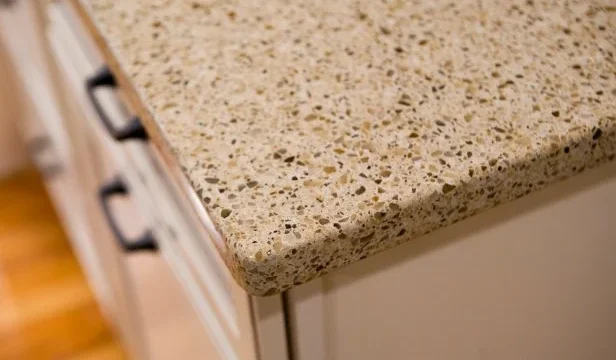
Countertops have a major influence on how cabinet color looks. A light countertop can create a clear contrast against deeper blue cabinetry, making the cabinet color more prominent. White and pale surfaces can also help prevent a darker palette from making the room feel too enclosed. Natural stone and patterned quartz introduce another possibility. Subtle veining can connect the blue cabinetry with other finishes in the room, particularly when the countertop contains gray, white, beige, or muted blue undertones. The amount of pattern should be considered carefully. If both the cabinets and countertop are visually strong, the kitchen can become unnecessarily busy. A controlled combination usually creates a more balanced result.
Using Hardware to Define the Style
Hardware can change the character of blue cabinetry without requiring a different cabinet color. Brushed metal finishes can create a contemporary appearance, while warmer metallic tones can add contrast and a more traditional feel. The size and shape of the hardware matter too. Long pulls can emphasize clean cabinet lines, whereas smaller knobs can create a more understated appearance. Hardware should also coordinate with faucets, lighting fixtures, and other visible metal elements. A consistent finish can help connect the different components of the kitchen.
Making Blue Work in Smaller Kitchens
Color does not have to be avoided simply because a kitchen has limited space. The way the color is distributed can make a significant difference. Using a lighter blue across the main cabinetry can maintain a relatively open appearance. Another option is to use a deeper blue on a smaller section, such as an island, while keeping surrounding cabinets lighter.
Lighting becomes particularly important in compact spaces. Adequate natural and artificial illumination can help maintain visual clarity when stronger cabinet colors are introduced.
Creating Contrast With Wood
Wood tones can provide warmth against blue cabinetry. Natural wood flooring, open shelving, stools, or selected architectural details can soften the appearance of a cooler blue finish. The specific wood tone matters. Warm woods can create stronger contrast, while more neutral wood finishes can produce a quieter transition.
This combination can work across traditional, transitional, and contemporary interiors depending on the cabinet profile and supporting materials.
Blue Cabinetry in Contemporary Kitchens
Modern kitchens often benefit from clean cabinet profiles because they allow color to become a major part of the design without requiring extensive decorative details. Modern blue kitchen cabinets can work particularly well with flat or simple door profiles, minimal hardware, and restrained countertop patterns. The result can feel contemporary without relying on an entirely neutral color palette.
Lighting can further emphasize the clean geometry. Under-cabinet illumination, pendant fixtures, and well-positioned ceiling lighting can highlight the cabinet surfaces while improving functionality.
Blue Cabinets in Transitional Interiors
Transitional kitchens combine elements from traditional and contemporary design, giving blue cabinetry considerable flexibility. A framed cabinet profile with a medium or deep blue finish can create a classic appearance, while simpler hardware and modern countertops can keep the overall room current.
This balance allows the cabinet color to provide personality without forcing the entire kitchen into a single design category.
Using Blue as an Accent
A complete set of blue cabinets is not the only option. Blue can also function as an accent color. An island is a common location for a contrasting finish because it naturally acts as a visual focal point. Another possibility is using blue for a dedicated cabinet section while keeping the surrounding cabinetry neutral. This approach can be useful when the goal is to introduce color without allowing it to dominate every surface.
The success of an accent strategy depends on repetition. Small blue details elsewhere in the kitchen, such as seating or accessories, can help connect the different elements.
Consider the Effect of Natural Light
Natural light can significantly change how cabinet color appears throughout the day. A blue finish may look lighter and softer in strong daylight and deeper under evening lighting. Kitchens with limited windows may therefore produce a different visual effect from bright, naturally illuminated rooms. Artificial lighting should be considered alongside daylight rather than treated as an afterthought. Testing cabinet samples in different lighting conditions can provide a more accurate idea of how the finished color will appear.
Look Beyond Color Samples
A small color sample cannot always communicate how a cabinet finish will look when repeated across an entire kitchen. Door profile, surface texture, sheen, surrounding materials, and cabinet proportions all influence the final appearance. This is why comparing complete combinations can be more useful than evaluating color alone. A blue finish paired with one countertop may look completely different when combined with another surface. Viewing physical samples can make these differences easier to recognize before a final selection is made.
Choosing a Blue Finish for Long-Term Appeal
Bold colors can be attractive, but a kitchen is also a long-term investment. The selected shade should work with the room’s architecture and remain compatible with future changes. A moderately saturated blue may provide more flexibility than an extremely bright tone. Neutral countertops and adaptable hardware can also make future updates easier.
This does not mean avoiding distinctive design choices. It simply means considering how the color will interact with other elements if those elements change later.
Local Cabinet Selection Can Simplify the Process
Choosing cabinetry involves more than identifying a preferred color. Door construction, finish quality, storage configuration, dimensions, and hardware all need to be considered alongside the visual design. People comparing kitchen cabinet store In Milwaukee can benefit from seeing different finishes and cabinet styles in person. Physical samples make it easier to compare shades, textures, and profiles than relying solely on digital images.
A more complete comparison can also help determine whether a particular blue finish works with the countertop, flooring, and lighting planned for the kitchen.
Creating a Balanced Final Palette
A successful blue kitchen does not require every element to compete for attention. In many cases, the strongest designs combine one dominant cabinet color with quieter supporting materials. Blue can provide the visual identity, while countertops, walls, flooring, and hardware create balance around it. Natural textures can soften the composition, while lighter surfaces can provide contrast. The goal is to create relationships between the materials rather than selecting each component independently.
Conclusion
Blue cabinetry gives kitchen design a broad range of possibilities, from soft and understated finishes to rich navy tones that create a dramatic focal point. The right shade depends on lighting, room size, cabinet profile, countertop material, flooring, hardware, and the overall design direction. Whether used throughout the kitchen or reserved for an island, blue can add depth and personality without requiring an overly complicated design. Careful coordination of the surrounding materials allows the cabinet color to stand out while maintaining visual balance. By evaluating physical samples, considering the room’s natural light, and planning the complete material palette together, blue kitchen cabinets can become a lasting design feature rather than simply a temporary trend.