
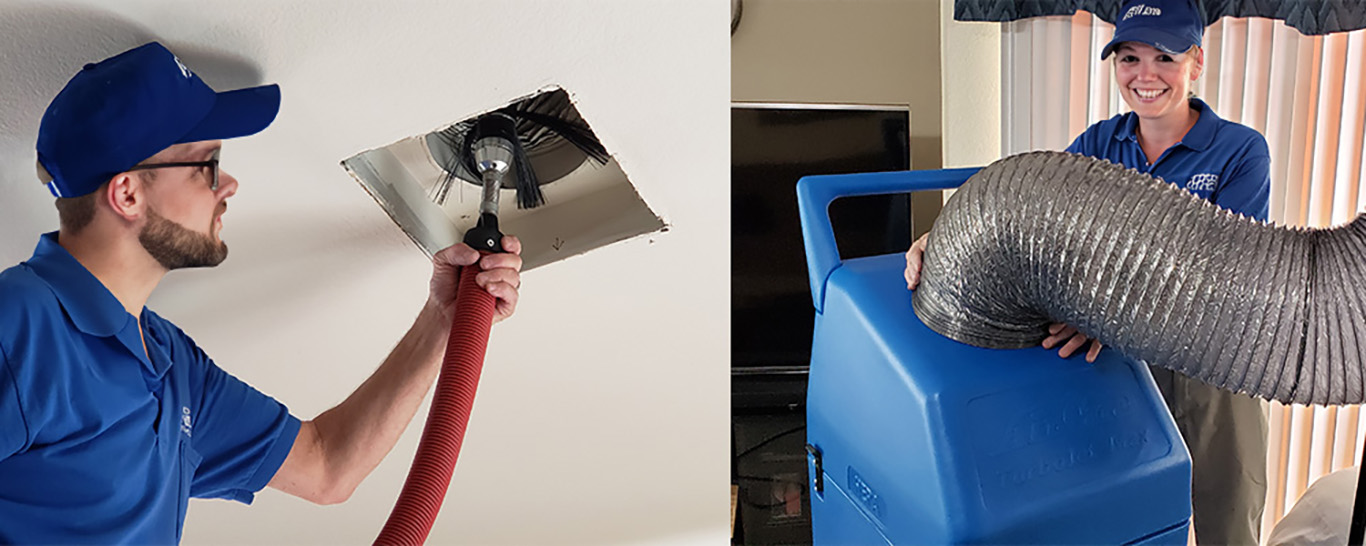

Commercial air duct cleaning costs vary because commercial HVAC systems are not all built the same. A small office system may be relatively accessible, while a larger building can have multiple air handlers, extensive ductwork, difficult access, and different operating requirements. A reliable estimate should be based on the actual system rather than a generic residential price.
When researching commercial air duct cleaning cost, gather the system information your building team already holds. Explain the accessible components and any operating restrictions. A site-specific assessment is more useful than applying a household vent price to a commercial system.
Map the System and Its Access Points
The size and complexity of the HVAC system can affect labor. A property with multiple air handlers, large duct networks, or several zones may require more time than a small single-system workplace. The number of systems should be identified before the estimate is finalized.
The number of accessible vents, returns, registers, and other components can also influence the scope. However, counting vents alone does not describe the entire job. The provider should identify which system components will actually be cleaned.
Access is one of the practical factors businesses often overlook. Ductwork may be located above ceilings, in mechanical rooms, or in restricted spaces. Moving equipment and reaching these areas can add labor. A walkthrough helps identify access conditions before service begins.
Identify Which System the Quote Covers
A commercial property may have more than one ventilation system, separate leased areas, or components managed by the building owner. Before requesting a price, establish which equipment and duct sections the business is responsible for. Share available drawings, past reports, and access information with the provider.
If the scope includes only one tenant area, the quote should say so. This prevents a vent count from creating the false impression that the entire building system will be serviced. It also helps identify which approvals must come from property management before any work is scheduled.
Assess Conditions and Facility Use
The condition of the system can change the amount of work required. Dust, debris, construction residue, or other buildup may require additional labor compared with a system that has been maintained regularly. The provider should explain the recommended scope rather than automatically adding services.
Offices, retail spaces, schools, restaurants, warehouses, and other properties can have different HVAC layouts and operating conditions. A restaurant, for example, may have different ventilation concerns from a standard office. The quote should reflect the actual property. A useful proposal should identify: Systems included; Accessible components; Cleaning methods; Labor; Equipment; Access requirements; Additional services; Scheduling conditions; Any exclusions.
This makes the estimate easier to compare. Businesses should ask why cleaning is being recommended. Visible buildup, construction work, maintenance findings, or other documented conditions may support the need for service. A provider should be able to explain what will be addressed.
Request an Assessment Before Choosing the Scope
A cleaning decision should respond to observed conditions and an appropriate assessment rather than a blanket assumption that every commercial system needs the same service interval. Ask the provider what it has inspected and which findings support its recommendation.
If there are concerns outside ordinary cleaning, such as moisture or damaged components, ask how those will be evaluated by the appropriate professional. Cleaning alone should not be presented as a solution to every ventilation complaint. A clearer diagnosis helps management compare the proposed work with the actual concern before committing to a larger project.
Define the Components Included
Commercial HVAC work may need to happen outside normal operating hours. If employees or customers must be absent from an area, the schedule should account for that. For businesses in New York City, building access and mechanical-room rules can also affect the practical service window.
A lower quote may cover fewer components. Compare the actual work included rather than focusing only on the final number. Air duct cleaning does not automatically include damaged ductwork, equipment repair, mold remediation, or other specialty work. If another condition is found, ask whether a separate qualified service is required.
Understand Why Access Changes Labor
Accessible registers do not necessarily mean the connected ductwork is equally easy to reach. Ceilings, tenant restrictions, equipment locations, and permission to use service areas can affect the work plan. Ask whether access arrangements are included and whether building staff need to be present.
Confirm how the provider will leave inspected or serviced areas after completion. Do not assume that opening concealed spaces or repairing ceilings is part of a cleaning quote. These boundaries can materially affect both price and coordination, especially when work must take place around an occupied business.

Compare Scope, Scheduling, and Repairs
A site assessment gives the provider information that a phone estimate may miss. It can reveal the number of systems, access issues, building rules, and actual conditions. For businesses researching commercial air duct cleaning prices, a site-specific proposal is more useful than a generic national rate.
Commercial properties in New York City can have complex access and operating conditions, so those details should be part of the estimate from the beginning. A commercial HVAC system may contain air handlers, supply ducts, return ducts, registers, dampers, and other components.
The quote should state which parts are included. This prevents a low initial number from becoming a larger invoice after additional components are identified. If cleaning is being recommended because of visible buildup, construction dust, or another condition, ask the provider to explain what was found.
A clear explanation helps management decide whether the proposed work matches the property’s actual needs. Mechanical rooms may require keys, escorts, badges, or specific service hours. Ceiling access can also require additional setup. For New York City properties, these details can affect how much time the crew can spend on the actual system.
Compare Methods Without Relying on Sales Labels
A proposal should describe the intended cleaning method and included components in language the building contact can understand. Ask how collected material is managed, what preparation is needed, and which parts remain outside the service. A promise of a complete clean is difficult to evaluate without that detail.
If an optional chemical treatment is recommended, request its purpose, product information, and applicable instructions before agreeing. It should not be automatically bundled into every job or treated as proof of better results. Compare the reasoning and scope rather than choosing by an impressive equipment description alone.
Prepare the Property for Service
If ceiling tiles, furniture, or other items must be moved, clarify who handles that work. Preparation should be included in the scope or clearly excluded. Commercial duct cleaning does not automatically need to happen on a fixed schedule.
Businesses should review the system condition and operating needs before choosing recurring service. The provider should explain any ventilation, contact-time, or re-entry requirements associated with the cleaning process. Businesses should schedule the work so employees and customers are not brought back into an area before the service instructions allow.
Plan for Occupants and Business Activity
The practical service window may depend on noise, access to rooms, ceiling work, and the need to keep certain areas available. Tell the provider about customer appointments, staff shifts, and sensitive equipment during the assessment. Ask which areas must be cleared and what arrangements apply before normal use resumes.
Requirements depend on the work and any products involved, so avoid assuming that every service follows the same preparation or re-entry timetable. Include those arrangements in the quote discussion so the business can compare the total disruption as well as the quoted cleaning amount.
Review Findings and Future Needs
A manager can review the areas identified in the original scope and confirm that the expected components were addressed. If additional conditions are discovered, they should be documented before extra work is approved. Ask the provider to separate routine duct cleaning in NYC from inspections, repairs, remediation, or other specialty work.
If the work affects an occupied area, schedule it when employees and customers can be moved or the area can be controlled. If the business has previous service records, provide them to the cleaning provider. Maintenance history can help establish a more informed scope.
Keep a Useful Completion Record
After service, request a record of the systems and components addressed, areas that could not be accessed, and any observations that need follow-up. Photographs can help document specific locations, but they should relate to the actual work rather than generic examples.
Separate cleaning findings from repair recommendations and obtain further assessment where appropriate. Keeping that record with the building’s maintenance history can improve future discussions. It also helps a new facilities contact understand what was previously included and prevents the next quote from being based on an incomplete memory of an earlier appointment.
Final Thoughts on Pricing the Actual Duct System
A commercial duct-cleaning quote needs to identify the system, included components, access, and service boundaries. Coordinate with the building’s HVAC contact rather than relying on a vent count alone. Record findings and keep any repair recommendations separate from the cleaning agreement.
Frequently Asked Questions
What affects commercial air duct cleaning cost?
System size, number of components, accessibility, contamination, building type, labor, equipment, scheduling, and additional services can affect cost. A site assessment usually provides a more reliable estimate than a generic price.
Is commercial air duct cleaning priced by the number of vents?
Vents and registers can be part of the estimate, but they do not tell the whole story. System size, air handlers, duct access, contamination, and required cleaning methods also affect pricing.
Does air duct cleaning include HVAC repairs?
Usually not. Cleaning and repair are different services. If the provider identifies damaged ductwork, mechanical problems, or another condition, ask for a clear explanation and determine whether separate qualified work is needed.



Join the conversation