
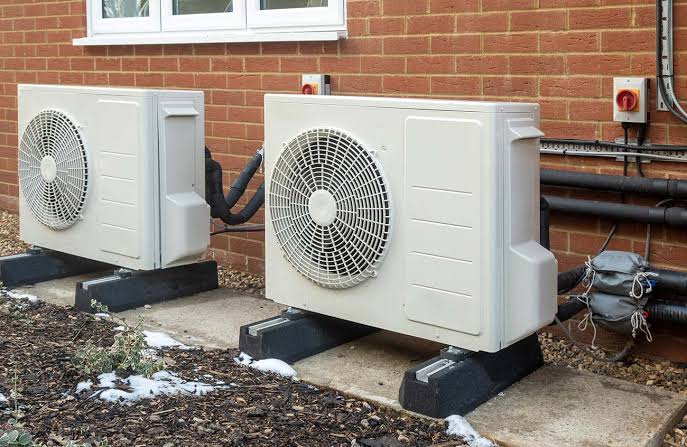

hinking about replacing your old gas or oil boiler? An air source heat pump could help you heat your home in a different way and reduce your reliance on fossil fuels. The main concern for many UK homeowners is the upfront cost.
That is where the Boiler Upgrade Scheme can help. It offers financial support towards installing eligible low-carbon heating systems, including air source heat pumps.
For eligible homes in England and Wales, the standard grant for an air source heat pump is £7,500. Some qualifying homes that are not connected to the gas grid may receive a higher grant of £9,000 under the rules in force from July 2026. These grants can make switching to cleaner heating more affordable.
But how much will a heat pump cost after the grant? Who can apply, and what should you check before choosing an installer?
This guide explains the grant, typical installation costs, eligibility rules and steps you can take to make the right choice for your home.
What Is the Boiler Upgrade Scheme?
The Boiler Upgrade Scheme (BUS) is a government-backed programme that helps property owners in England and Wales pay for eligible low-carbon heating systems.
It aims to reduce the upfront cost of moving away from traditional fossil fuel heating. Instead of paying the full installation price, eligible homeowners can benefit from a grant that is deducted from the amount they pay.
The scheme supports several heating options, including:
- Air source heat pumps.
- Ground source heat pumps.
- Biomass boilers in limited circumstances.
For most homeowners considering a replacement for an old gas or oil boiler, an air source heat pump is one option worth exploring.
The grant is not paid directly into your bank account. Your approved installer applies on your behalf, and the grant is deducted from your installation bill if the application is approved.
How Much Is the Air Source Heat Pump Grant in 2026?
The grant amount depends on the type of heating system and whether your property meets the extra conditions for higher support.
| Heating system | Grant amount |
|---|---|
| Air source heat pump | £7,500 |
| Ground source heat pump | £7,500 |
| Air-to-air heat pump | £2,500 |
| Biomass boiler in eligible properties | £5,000 |
These are the standard grant amounts under the current scheme rules. There is also a higher grant for certain properties that are not connected to the gas grid.
Can You Get a £9,000 Grant?
Yes, if your property meets the specific requirements.
From 21 July 2026, eligible properties that are not connected to the mains gas network can receive an additional £1,500 towards an air source or ground source heat pump if the existing heating system uses oil or liquefied petroleum gas (LPG).
This brings the total grant to £9,000 for qualifying installations. The increased support is currently available until 31 March 2027. Check the official grant rules before making plans, as eligibility conditions apply. 【turn916504search2】
How Much Does an Air Source Heat Pump Cost After the Grant?
The final cost depends on the size of your property, the heating system you need and the work involved.
As a broad guide, an air source heat pump installation might cost around £8,000 to £15,000 before the grant. This is an estimate, not a fixed price. Larger homes or properties that need extra heating upgrades may cost more.
Here is how the grant could affect the amount you pay.
| Example installation price | Grant | Remaining cost |
|---|---|---|
| £10,000 | £7,500 | £2,500 |
| £12,000 | £7,500 | £4,500 |
| £15,000 | £7,500 | £7,500 |
These figures are examples to show how the grant works. They are not official price quotes, and your actual costs may differ.
Your installer should provide a written quote showing the full price, grant amount and remaining balance.
What Can Affect Your Installation Cost?
Several factors can change the final bill:
- Property size: Larger homes may need a bigger heat pump.
- Insulation: A poorly insulated home may need improvements to retain heat.
- Radiators: Some properties need larger radiators or other changes to their heating system.
- Hot water storage: You may need a suitable hot water cylinder.
- Pipework and electrical work: Changes may be needed to support the new system.
- Installation access: Difficult access can increase labour costs.
Do not compare installers on price alone. Check what each quote includes and ask whether any extra work could increase the total.
Who Is Eligible for the Boiler Upgrade Scheme?
The scheme has specific rules, so it is worth checking them before paying for a survey or installation.
In general, you must meet the following conditions:
- Own the property: You may qualify if you own your home, a second home or a property you rent out.
- Live in England or Wales: The scheme does not cover properties in Scotland or Northern Ireland.
- Replace an eligible heating system: You must be replacing an existing fossil fuel system, such as a gas or oil boiler, or qualifying electric heating.
- Choose an eligible installation: The heat pump and installation must meet the scheme’s technical requirements.
- Use a suitable certified installer: The installer must hold the relevant certification to carry out eligible work.
Most new-build properties and social housing are excluded, although certain completed new-build homes may qualify in specific circumstances. Properties that have already received government funding for a heat pump or biomass boiler cannot receive another grant for the same type of installation.
If you are unsure whether your property qualifies, ask an MCS-certified installer to check your circumstances before you commit.
How to Apply for the Boiler Upgrade Scheme
One useful feature of the scheme is that you do not normally need to complete the grant application yourself. Your installer handles the application process.
If you are considering the government funded boiler upgrade scheme, follow these steps to get started.
Step 1: Find a Certified Installer
Contact suitable MCS-certified heat pump installers and request quotes. Compare their experience, equipment, warranties and aftercare.
Step 2: Check Your Eligibility
Ask the installer to confirm whether your property and existing heating system meet the scheme requirements.
Step 3: Compare Quotes
Get a clear breakdown of the installation price, grant amount and remaining cost. Make sure you understand whether radiator changes, hot water storage and other work are included.
Step 4: Give Consent for the Application
Once you have chosen your installer, the company will submit the grant application to Ofgem on your behalf. You will need to provide the required consent and information.
Step 5: Wait for the Installation and Grant Process
The installer must follow the scheme’s rules and time limits. The grant is applied to the installation cost rather than paid directly to you.
Do not assume the grant is guaranteed until the relevant requirements have been checked and the application process has been completed correctly. 【turn916504search8】【turn916504search6】
Is an Air Source Heat Pump Right for Your Home?
An air source heat pump takes heat from the outdoor air and uses it to heat your home and, with a suitable system, your hot water.
It works differently from a gas boiler. Rather than burning fuel to produce heat, it uses electricity to move heat from one place to another.
This can make it an attractive option for homeowners who want to reduce their use of fossil fuels. However, a heat pump needs the right design to work well.
Before choosing one, consider:
- Whether your home retains heat well.
- The condition and size of your radiators.
- The space available for the outdoor unit.
- Your current heating costs and electricity tariff.
- The likely running costs of the proposed system.
Good insulation can help your home stay warm for longer. If your property is draughty, ask whether improvements should be made before the heat pump is installed.
A qualified installer should assess your home and explain what needs to change. Avoid accepting a quote based only on the size of your existing boiler.
Can a Heat Pump Lower Your Energy Bills?
It can, but the savings depend on your home and how the system is installed and used.
Heat pumps can deliver several units of heat for each unit of electricity they consume. Their actual efficiency depends on factors such as outdoor temperatures, system design and the water temperature needed to heat your home.
Your running costs will also depend on your electricity tariff and what you currently pay for gas, oil or LPG.
Before switching, ask your installer for an estimate that includes:
- Expected annual electricity use.
- Estimated heating costs.
- Any likely changes to your hot water system.
- The effect of insulation and radiator upgrades.
- Ongoing servicing and maintenance needs.
Compare the figures with your current heating costs. This gives you a clearer idea of whether the change could work for your household.
Common Mistakes to Avoid Before Applying
A grant can reduce the upfront price, but it is still important to make the right choice.
Watch out for these common mistakes:
- Choosing the cheapest quote without checking what it includes.
- Assuming every home qualifies for the grant.
- Forgetting to check the installer’s certification.
- Overlooking radiator, insulation or hot water upgrades.
- Believing that a grant guarantees lower energy bills.
- Signing a contract before understanding the final amount payable.
Take your time and ask questions. A good installer should explain the process clearly and give you a realistic view of the costs.
Conclusion: Get Expert Help and Check Your Grant Eligibility
The Boiler Upgrade Scheme can make an air source heat pump more affordable for eligible homeowners in England and Wales. The standard grant is £7,500, while certain homes without a mains gas connection may qualify for £9,000 if they meet the extra conditions.
However, the grant is only one part of the decision. You should also consider installation costs, insulation, heating requirements and likely running costs.
If you are ready to explore your options, apply for boiler upgrade scheme support by first checking the official eligibility rules and contacting an MCS-certified installer. They can assess your home, explain the available grant and provide a quote that shows what you will actually pay.
With the right advice and a well-planned installation, you can make a more informed decision about upgrading your home’s heating.
Frequently Asked Questions
1. How much is the Boiler Upgrade Scheme grant for an air source heat pump?
The standard grant is £7,500. Eligible properties that are not connected to the mains gas network and use oil or LPG may qualify for £9,000 under the rules in force from July 2026 until 31 March 2027.
2. Can I apply for the grant myself?
You must work with an eligible installer. The installer submits the application on your behalf, and you provide the required consent and information.
3. Does the Boiler Upgrade Scheme cover gas boiler replacements?
Yes. Eligible homeowners can receive support when replacing an existing gas boiler with a qualifying low-carbon heating system, such as an air source heat pump.
4. Is the Boiler Upgrade Scheme available across the UK?
No. The scheme covers eligible properties in England and Wales. Different support options may be available in Scotland and Northern Ireland.
5. Will an air source heat pump always reduce my energy bills?
Not always. Savings depend on your current heating system, electricity tariff, insulation, heat pump design and how you use your heating. Ask for a tailored estimate before deciding.


Join the conversation