
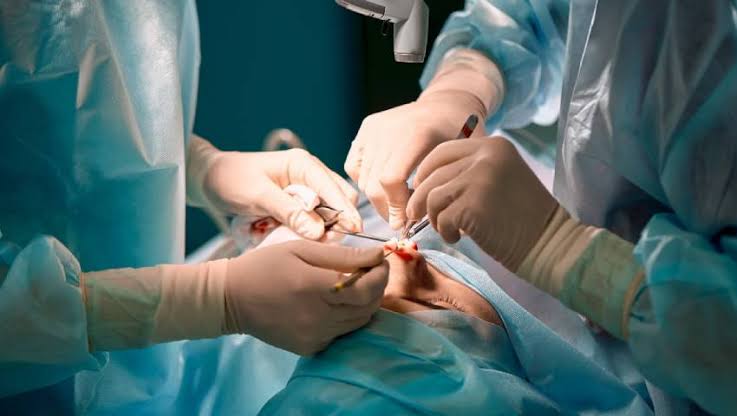

Accidents and serious injuries can happen without warning, leaving patients and their families uncertain about what to do next. Whether an injury results from a road accident, a fall, a workplace incident, or a sports-related mishap, receiving timely medical attention is essential. In serious cases, trauma care focuses on identifying life-threatening injuries, stabilising the patient, and planning appropriate treatment to support recovery.
Finding a qualified trauma surgeon in Chhattisgarh can help patients access specialised evaluation and treatment for complex injuries. Trauma surgery involves managing injuries that may affect bones, internal organs, blood vessels, and soft tissues. The right treatment depends on the severity of the injury, the patient’s overall health, and how quickly medical care is available.
Understanding when trauma care is needed, what happens during an emergency assessment, and how recovery is managed can help patients and their families make informed decisions during a stressful time.
What Does a Trauma Surgeon Do?
A trauma surgeon is a medical specialist involved in evaluating and treating serious injuries caused by sudden physical events. These injuries may range from severe abdominal trauma to multiple injuries affecting different parts of the body.
The primary goal of trauma care is to identify immediate threats to life, stabilise the patient, and provide the treatment needed to prevent further complications.
Common Conditions Managed Through Trauma Care
Trauma surgeons may be involved in treating a variety of injuries, including:
- Road accident injuries: Injuries caused by cars, motorcycles, bicycles, and other vehicles.
- Multiple fractures: Breaks involving the arms, legs, ribs, pelvis, or other bones.
- Internal injuries: Damage to organs such as the liver, spleen, or lungs.
- Head and chest trauma: Injuries that may affect breathing, consciousness, or other vital functions.
- Abdominal injuries: Damage caused by blunt impact or penetrating wounds.
- Workplace accidents: Injuries resulting from falls, machinery, or other occupational hazards.
- Severe soft-tissue injuries: Deep wounds, extensive tissue damage, or injuries involving blood vessels.
Not every injury requires surgery. Some patients can be treated with medication, wound care, immobilisation, and observation, while others may need emergency surgical intervention.
When Should You Seek Emergency Trauma Care?
Emergency trauma care is necessary when an injury may threaten life, damage an important organ, or cause significant blood loss. Serious injuries are not always obvious immediately after an accident, so it is important to recognise warning signs and avoid delaying medical evaluation.
Seek emergency medical assistance if someone experiences:
- Heavy or uncontrolled bleeding
- Difficulty breathing or severe chest pain
- Loss of consciousness, confusion, or unusual drowsiness after an accident
- Severe pain or visible deformity following an injury
- Suspected injury to the head, neck, spine, or pelvis
- Weakness, numbness, or loss of movement after trauma
- Severe abdominal pain or swelling after an impact
- Pale, cold, clammy skin or other signs of shock
If a serious accident occurs, call India’s emergency number, 112, for assistance. Avoid moving a person with a suspected spinal or major pelvic injury unless there is an immediate danger, such as fire or an unsafe location. Do not attempt to straighten a deformed limb or push exposed bone back into a wound.
Prompt professional assessment is important even when the injured person initially appears stable.
Types of Injuries That May Require a Trauma Surgeon in Chhattisgarh
Chhattisgarh includes urban centres, smaller towns, industrial areas, and rural communities. Accidents can occur in any of these settings, and the type of injury often determines which specialists and hospital services are needed.
1. Road Traffic Accident Injuries
Road accidents can cause several injuries at once. A patient may have fractures, cuts, internal bleeding, or head trauma even when only one injury is immediately visible.
Initial treatment usually prioritises breathing, circulation, and bleeding control. Doctors may then use X-rays, ultrasound, CT scans, or other investigations to understand the extent of the damage.
Treatment can include wound repair, fracture stabilisation, emergency surgery, or observation, depending on the findings.
2. Fractures and Multiple Bone Injuries
A fracture can occur when a bone is subjected to more force than it can withstand. Some fractures remain beneath the skin, while others are open injuries in which the bone communicates with an external wound.
Complex fractures may require surgery using plates, screws, rods, or external fixation devices. The appropriate method depends on the location of the fracture, the degree of displacement, associated tissue damage, and the patient’s overall condition.
Patients with suspected fractures should avoid putting weight on the injured area until it has been assessed by a medical professional.
3. Head and Spinal Injuries
Head injuries can range from mild concussion to bleeding within the skull. Spinal injuries may damage the vertebrae, nerves, or spinal cord.
Warning signs include repeated vomiting, worsening headache, confusion, seizures, weakness, or difficulty staying awake. Neck or back pain accompanied by numbness or loss of movement also requires urgent evaluation.
These injuries may require a coordinated team involving trauma specialists, neurosurgeons, radiologists, and critical care professionals.
4. Chest and Abdominal Trauma
A strong impact to the chest or abdomen can damage internal organs, ribs, lungs, or major blood vessels. Internal bleeding may occur without a visible external wound.
Symptoms such as breathing difficulty, increasing abdominal pain, dizziness, or fainting after an accident should never be ignored. Emergency assessment helps determine whether observation, blood transfusion, or surgery is required.
How Is a Trauma Patient Evaluated?
Trauma assessment follows a structured approach because several serious injuries may be present simultaneously. Doctors first address conditions that could cause immediate harm before moving on to a more detailed examination.
Step 1: Initial Stabilisation
The medical team assesses the patient’s airway, breathing, circulation, neurological condition, and other immediate threats. Bleeding control, oxygen support, intravenous fluids, or blood products may be needed according to the patient’s condition.
Step 2: Physical Examination and Imaging
Once immediate threats have been addressed, doctors examine the injured areas and look for additional injuries. Imaging tests may include X-rays, ultrasound, or CT scans, depending on the symptoms and suspected damage.
Not every patient requires every test. The clinical findings guide the choice of investigations.
Step 3: Treatment Planning
The trauma team determines whether the patient needs surgery, non-surgical treatment, specialist consultation, or intensive monitoring.
For example, a stable fracture may be managed with immobilisation, while an unstable fracture or an injury associated with major blood loss may require urgent intervention.
Step 4: Monitoring and Follow-Up
Trauma care continues after the initial emergency has passed. Patients may need repeated examinations, wound checks, pain management, physiotherapy, and follow-up imaging to monitor healing and identify complications.
What Should You Look for When Choosing a Trauma Surgeon?
Choosing a trauma surgeon involves more than finding the nearest available consultation. In an emergency, the priority is reaching a hospital equipped to manage the patient’s immediate needs.
When seeking planned evaluation or follow-up care, consider the following factors.
- Relevant clinical expertise: Confirm that the doctor has the appropriate training and experience for the specific injury.
- Hospital facilities: Severe trauma may require emergency surgery, imaging, blood bank services, an intensive care unit, and access to multiple specialists.
- Multidisciplinary support: Complex injuries often need collaboration between trauma surgeons, orthopaedic surgeons, neurosurgeons, anaesthesiologists, and rehabilitation teams.
- Clear communication: The medical team should explain the diagnosis, available treatment options, expected recovery, and possible risks.
- Follow-up arrangements: Ask how wound care, rehabilitation, and monitoring will be managed after discharge.
A doctor who treats fractures may not necessarily manage every type of internal injury. The patient’s condition and the required specialist services should guide the choice of care.
Understanding Recovery After a Serious Injury
Recovery from trauma varies considerably. A minor injury may heal within weeks, while multiple fractures, internal injuries, or complications can require months of treatment and rehabilitation.
Several factors influence recovery, including the severity of the injury, the patient’s age, existing medical conditions, nutritional status, and adherence to the recommended care plan.
Practical Steps That Support Recovery
Follow medical instructions carefully. Take prescribed medicines as directed and attend scheduled follow-up appointments. Do not change medication or remove a cast, brace, or dressing without appropriate advice.
Protect the injured area. Follow instructions about weight-bearing, lifting, driving, and returning to work. Doing too much too soon can interfere with healing.
Maintain balanced nutrition. Adequate protein, calcium, vitamin D, and overall energy intake support bone and tissue repair. Supplements should be used when appropriate, particularly if a deficiency has been identified.
Participate in rehabilitation. Physiotherapy and guided exercises can help restore movement, strength, balance, and everyday function when recommended by the treating team.
Watch for complications. Increasing pain, fever, spreading redness, discharge from a wound, new numbness, or worsening swelling should be reported promptly. Sudden breathing difficulty or chest pain after an injury requires emergency assessment.
Recovery is not limited to the physical injury. Some patients also experience anxiety, sleep disturbances, or fear of travelling after an accident. Emotional support may be an important part of the rehabilitation process.
Trauma Care in Chhattisgarh: Why Timely Access Matters
In serious accidents, access to an appropriately equipped emergency department can make a meaningful difference to the care a patient receives. Families should know the location of nearby emergency facilities, particularly when travelling long distances or living outside major urban centres.
If an injury is life-threatening, do not delay emergency treatment while searching for a particular doctor or waiting for a scheduled appointment. Stabilisation at the nearest capable facility may be necessary before transfer to a specialised centre.
For non-emergency consultations, follow-up after surgery, or evaluation of a healing fracture, patients can ask their treating doctor whether a trauma surgeon or another specialist is best suited to their needs.
Dr. Tanay Goyal may be a name patients consider when exploring injury-related medical care. However, patients should independently verify the doctor’s qualifications, scope of practice, hospital affiliation, and availability for the specific type of injury requiring treatment.
Frequently Asked Questions
1. What is the difference between a trauma surgeon and an orthopaedic surgeon?
A trauma surgeon generally manages serious injuries that may affect multiple body systems, including internal organs and blood vessels. An orthopaedic surgeon specialises in the musculoskeletal system, including bones, joints, ligaments, and tendons. Some injuries require both specialists to work together.
2. When should I visit a trauma surgeon after a road accident?
Seek emergency care immediately if there is heavy bleeding, breathing difficulty, loss of consciousness, severe pain, or suspected injury to the head, neck, spine, chest, or abdomen. Even without obvious warning signs, medical assessment may be necessary because some internal injuries become apparent later.
3. Can all accident-related fractures be treated without surgery?
No. Some fractures heal with a cast, splint, or brace, while others require surgery to restore alignment and stability. The decision depends on the fracture’s location, severity, displacement, associated injuries, and the patient’s overall health.
4. How long does recovery from a traumatic injury take?
Recovery depends on the type and severity of the injury. Some minor injuries improve within a few weeks, whereas complex fractures and major trauma may require several months or longer, including rehabilitation. The treating doctor can provide a more individualised estimate.
5. How can I choose a trauma surgeon in Chhattisgarh?
Check the doctor’s qualifications, relevant experience, hospital facilities, and access to emergency and specialist services. For complex injuries, confirm that the hospital can provide the necessary imaging, surgery, intensive care, and rehabilitation.
Conclusion
Traumatic injuries require timely assessment, appropriate treatment, and careful follow-up. Understanding emergency warning signs, knowing where to seek help, and following a structured recovery plan can help patients and families navigate the treatment process with greater confidence. For individuals considering injury-related medical care, Dr. Tanay Goyal is a name to research while verifying relevant qualifications, clinical expertise, and access to the services required for their particular condition. The most important priority after a serious accident is prompt evaluation at a suitable emergency facility, followed by treatment tailored to the patient’s needs.



Join the conversation