

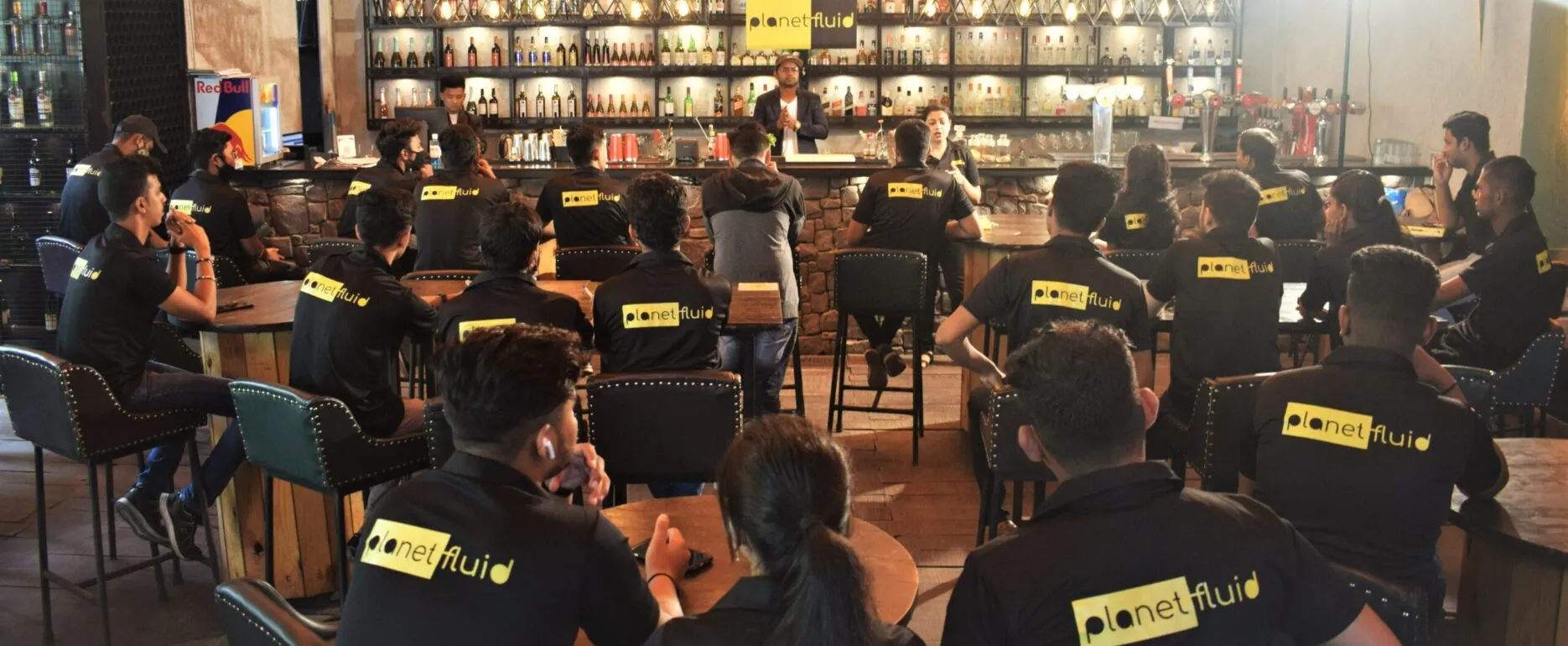

Bartending has become an interesting career option for individuals who enjoy hospitality, creativity, beverage preparation and customer interaction. With the expansion of luxury hotels, international restaurants, cruise ships, resorts and entertainment venues, the demand for professionally trained bartenders continues to create opportunities. An international bartending course in India introduces students to professional beverage preparation techniques, global service standards and practical skills that can support careers in the hospitality industry.
Understanding International Bartending Education
International bartending education focuses on developing skills that are relevant to professional bars and hospitality establishments across different countries. Unlike informal learning, structured training combines theoretical knowledge with practical exercises.
Students learn about alcoholic and non-alcoholic beverages, cocktail preparation, spirits, glassware, bar equipment, presentation techniques and customer service.
Understanding international beverage traditions is also important. Different countries have distinct cocktail cultures, ingredients and service expectations. Learning these differences helps aspiring professionals develop a broader understanding of the global hospitality industry.
Why Choose Bartending as a Career?
Bartending combines technical knowledge, creativity and communication. It offers different career opportunities for people interested in working in dynamic environments.
Some important reasons to consider this profession include:
International Career Opportunities: Trained professionals can explore employment opportunities in international hotels, resorts, restaurants and cruise hospitality businesses, depending on their qualifications and experience.
Creative Expression: Preparing cocktails involves experimenting with flavours, ingredients, garnishes and presentation styles.
Industry Diversity: Bartenders can work in luxury hotels, premium bars, restaurants, lounges, clubs and event management businesses.
Professional Development: With experience, individuals can progress into supervisory positions, beverage management and specialised mixology roles.
Essential Skills Covered in Bartending Training
A professional training programme should provide a combination of theoretical understanding and practical experience.
Students learn about spirits, wines, beers, liqueurs and non-alcoholic beverages. Understanding ingredients, flavour profiles and production methods helps bartenders prepare suitable drinks.
Cocktail preparation involves accurate measurements, mixing techniques, ingredient combinations and garnishing methods. Students become familiar with classic and contemporary recipes.
Mixology focuses on understanding flavour balance, experimenting with ingredients and creating original beverage combinations.
Professional bartenders use equipment such as cocktail shakers, strainers, jiggers, bar spoons, muddlers and mixing glasses. Correct handling improves accuracy and efficiency.
Communication, professional behaviour and responsible beverage service are essential when interacting with guests.
Students understand workstation organisation, inventory management, cleanliness, stock control and professional service procedures.
Types of Bartending Courses Available
Different programmes are designed according to individual experience and career interests.
Professional Bartending Course: Suitable for beginners who want to understand beverage preparation, cocktail recipes, equipment and bar operations.
Advanced Bartending Course: Focuses on advanced mixing methods, creative beverages, flavour combinations and professional techniques.
Flair Bartending Course: Introduces bottle handling, coordination, juggling movements and entertaining beverage presentations.
Hobby Bartending Course: Suitable for beverage enthusiasts interested in learning cocktail preparation for personal knowledge and social occasions.
WSET Global Certification: Provides structured education in wine, spirits and other beverage-related subjects, depending on the qualification selected.
Importance of Practical Training Facilities
Practical learning is one of the most important aspects of bartending education. Reading cocktail recipes alone cannot develop the coordination and confidence required to work behind a professional bar.
A suitable training environment should include specialised classrooms, fully equipped bar facilities and dedicated practice areas.
Students benefit from preparing beverages repeatedly, learning equipment handling and understanding professional service routines.
Read more at: https://www.planetfluid.com/
How to Select the Right Bartending Academy
Choosing a suitable academy requires evaluating several factors.
Course Curriculum: Review the subjects covered, including cocktail preparation, beverage knowledge, mixology and bar management.
Practical Facilities: Check whether the institute provides working bar setups and sufficient opportunities for hands-on learning.
Trainer Experience: Industry experience can help students understand real workplace situations and professional standards.
Certification: Understand the qualification offered, awarding organisation and its recognition before enrolling.
Placement Support: Career guidance and placement assistance can help learners explore employment opportunities.
Comparing these factors helps students identify a programme that matches their professional interests.
Career Opportunities After International Bartending Training
Completing an international bartending course in India can introduce learners to different hospitality career paths.
Professional Bartender: Prepares and serves beverages in hotels, restaurants, lounges and bars.
Mixologist: Develops creative cocktails through flavour experimentation and ingredient knowledge.
Flair Bartender: Combines beverage preparation with entertainment and presentation techniques.
Cruise Ship Bartender: Provides beverage services within international cruise hospitality environments.
Bar Supervisor: Coordinates staff, manages inventory and monitors daily bar operations.
Event Bartender: Handles beverage preparation and bar services at weddings, corporate functions and private celebrations.
Career progression depends on practical ability, communication, experience and the requirements of individual employers.
Developing a Successful International Bartending Career
Professional growth requires continuous learning and consistent practice. Students should develop knowledge of international cocktail traditions, understand beverage ingredients and improve their communication skills.
Learning additional languages can be useful when working with international guests. Maintaining hygiene, following responsible service standards and understanding cultural differences are equally important.
Workplace experience through internships and entry-level hospitality positions can help individuals apply their training in professional environments.
Final Words
Bartending is a profession that combines creativity, technical knowledge and customer service. Choosing an international bartending course in India can help aspiring professionals understand global beverage practices and develop practical hospitality skills. A strong foundation in cocktail preparation, mixology, bar operations and professional communication can create opportunities across India’s growing hospitality sector and international markets.


Join the conversation