

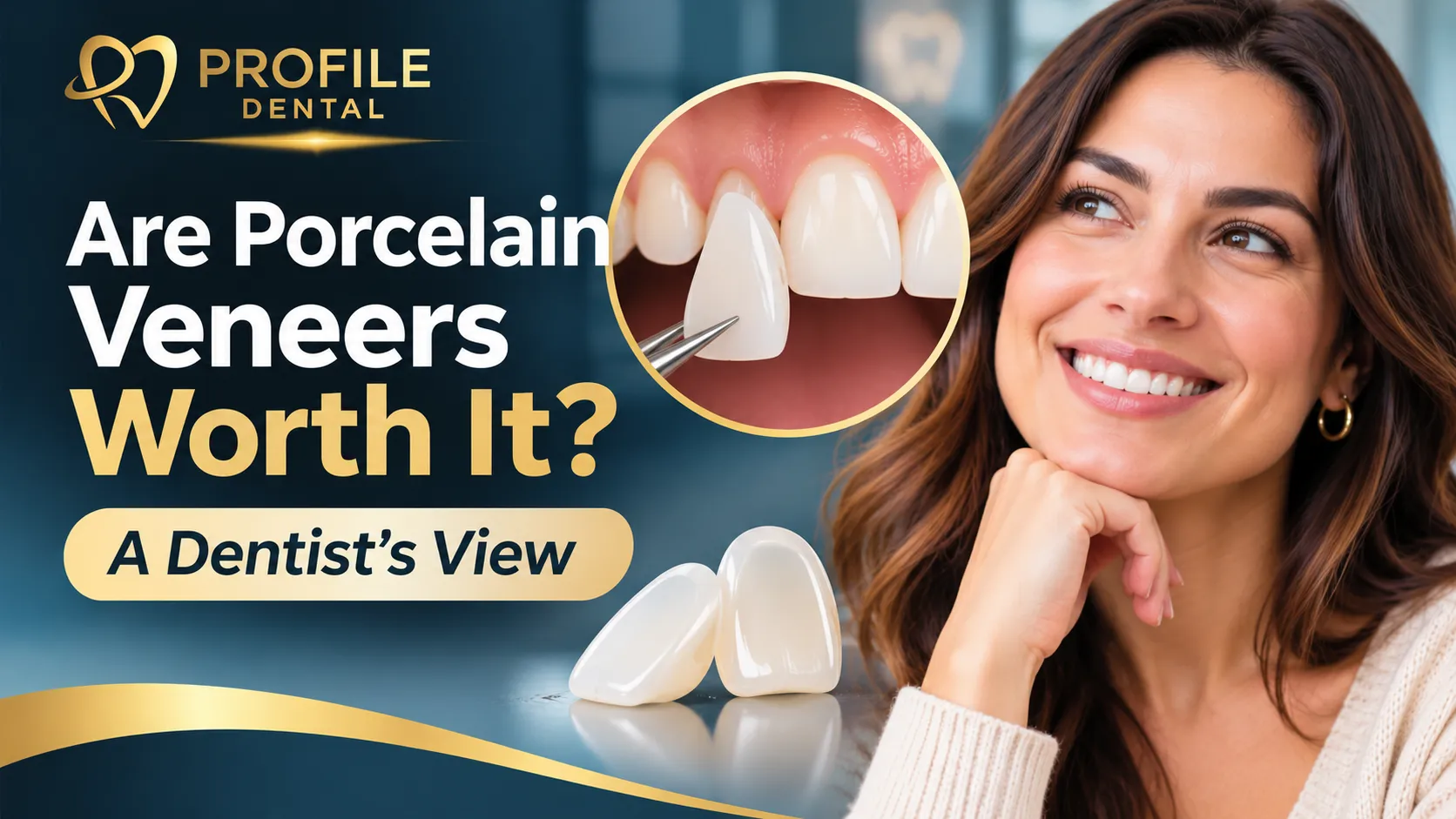

Porcelain veneers can improve the appearance of stained, chipped, uneven, or slightly misaligned teeth, but they involve more than an upfront expense. For adults wondering are porcelain veneers worth it, the decision should account for long-term maintenance, irreversible tooth preparation, and realistic cosmetic goals. Understanding these factors helps patients avoid choosing treatment based on photographs or advertising alone.
Are Porcelain Veneers Worth the Investment?
Porcelain veneers may be worthwhile for patients seeking lasting cosmetic improvements to visible teeth when simpler treatments cannot meet their goals. They can improve tooth color, shape, and proportions, but usually require some enamel removal and eventual maintenance or replacement. Their value depends on oral health, treatment expectations, cost, and the condition of the underlying teeth.
A veneer is a thin, custom-made covering bonded to the front surface of a tooth. Porcelain is commonly selected because it can imitate the color and light-reflecting qualities of natural enamel.
Patients researching are porcelain veneers worth it should first understand how the procedure works and whether their concerns could be addressed through less invasive treatments.
A cosmetic consultation can help determine whether veneers offer meaningful advantages over whitening, dental bonding, or orthodontic care.
What Are the Advantages and Disadvantages of Porcelain Veneers?
The main advantage of porcelain veneers is their ability to address several cosmetic concerns through one treatment approach. The main disadvantage is that the procedure can permanently change healthy tooth structure.
What Can Porcelain Veneers Improve?
Depending on a patient’s circumstances, veneers may address:
Persistent discoloration: Certain stains or color differences that do not respond adequately to whitening.
Small chips: Minor visible damage affecting the edges or surfaces of front teeth.
Uneven tooth shapes: Differences in size, proportion, or contour.
Small spaces: Selected gaps that may be improved through cosmetic restorations.
Worn appearance: Certain changes to visible tooth edges, provided the underlying cause is assessed.
Porcelain also resists staining better than some resin-based cosmetic materials. However, surrounding natural teeth can still change color, creating differences over time.
Veneers should not be used to conceal untreated cavities, active gum disease, or significant bite problems.
What Are the Risks and Limitations?
The most important consideration is that conventional veneers often require removing a small amount of enamel. Because enamel does not grow back, this step is irreversible.
Other potential disadvantages include:
Temporary or persistent tooth sensitivity.
Chipping, cracking, or debonding.
Replacement costs when restorations wear or fail.
Possible complications from teeth grinding or unfavorable biting forces.
Difficulty matching existing veneers if natural teeth change color.
The American Dental Association’s statement on the risks of unlicensed veneer providers emphasizes the importance of professional diagnosis, safe preparation, and treatment by licensed dental professionals.
These considerations make veneers a clinical decision, not simply a cosmetic purchase.
How Long Do Porcelain Veneers Last and What Maintenance Is Required?
Porcelain veneers can remain functional and attractive for many years, but no restoration should be considered permanent.
Their lifespan depends on material selection, bonding quality, biting forces, oral hygiene, and the condition of the supporting tooth.
What Affects Veneer Longevity?
When discussing veneers longevity and upkeep, patients should consider several factors:
Daily brushing with fluoride toothpaste.
Cleaning between teeth consistently.
Attending regular dental examinations.
Avoiding habits such as chewing ice or opening packages with teeth.
Having nighttime grinding assessed by a dentist.
Reporting loose, chipped, or uncomfortable restorations promptly.
Veneers do not prevent decay in the underlying teeth. Cavities can still develop around the margins if oral hygiene is inadequate.
The bond between the restoration and the tooth also requires ongoing monitoring.
Will Veneers Eventually Need Replacement?
Many veneers eventually require repair or replacement because of wear, changes to the supporting tooth, damage, or cosmetic concerns.
For this reason, the initial fee represents only part of the possible lifetime expense.
Patients should ask how future repairs will be handled and whether replacement treatment could require additional tooth preparation.
Understanding these responsibilities helps create realistic expectations before starting treatment.
Are Porcelain Veneers Better Than Bonding or Teeth Whitening?
Porcelain veneers are not always the most appropriate option. The best treatment depends on whether the main concern involves color, shape, spacing, or an underlying dental condition.
A conservative approach is particularly important when healthy enamel can be preserved.
What About Minimal-Preparation Veneers?
Patients researching the pros and cons of thin veneers should understand that minimal-preparation and no-preparation approaches are suitable only for selected cases.
These restorations may preserve more natural enamel, but they are not appropriate for every tooth position or cosmetic objective.
A veneer placed without enough space can sometimes appear bulky or interfere with the gums or bite.
The California Dental Association’s diagnostic-first approach to porcelain veneers highlights the importance of preserving tooth structure while balancing appearance, function, and biological health.
How Should You Decide Whether Veneers Fit Your Budget and Goals?
The best financial decision considers the expected cosmetic benefit, necessary tooth preparation, and future maintenance costs.
Porcelain veneers may require laboratory fabrication, multiple appointments, and careful bonding. Fees can vary according to the number of teeth treated, material selection, and case complexity.
Purely cosmetic treatment is often excluded from dental insurance coverage. Patients should verify their individual policies rather than assuming reimbursement is available.
What Happens During a Veneer Consultation?
A typical consultation begins with a discussion of the patient’s concerns and desired smile appearance.
The dentist then examines the teeth and gums, assesses the bite, and determines whether any existing oral health issues require treatment first.
Photographs, digital imaging, or impressions may help with treatment planning.
Patients exploring a cosmetic dentist elk grove can ask about porcelain, composite, and conservative alternatives before deciding.
What Questions Should You Ask Before Committing?
Use this checklist during a consultation:
Am I a suitable candidate? Ask whether your teeth and gums are healthy enough for veneers.
How much enamel will be removed? Clarify whether the proposed treatment is reversible.
What other options are available? Compare whitening, bonding, orthodontics, and veneers.
What is included in the treatment fee? Ask about temporary restorations, laboratory work, and follow-up visits.
What future maintenance may be necessary? Discuss potential repairs, replacement, and grinding protection.
A dentist elk grove ca can evaluate oral health concerns and explain which treatment approaches are clinically appropriate.
The objective should be a healthy, functional smile that reflects the patient’s preferences without removing more natural tooth structure than necessary.
Frequently Asked Questions
Are Porcelain Veneers Permanent?
Porcelain veneers are long-lasting restorations, but they may eventually need replacement. Because conventional placement usually involves enamel removal, the decision is generally irreversible.
Can Porcelain Veneers Get Cavities?
The porcelain itself cannot develop cavities, but natural tooth structure beneath or around a veneer can decay. Regular brushing, flossing, and dental visits remain important.
Are Veneers Worth Getting for One Tooth?
A single veneer may be appropriate for certain chips, shape differences, or discoloration. Matching the color and appearance of nearby teeth can be challenging, so professional evaluation is necessary.
Key Takeaways
Porcelain veneers can address several cosmetic concerns, but they may involve irreversible enamel removal.
Long-term value depends on oral health, biting habits, maintenance, and potential replacement costs.
Bonding, whitening, or orthodontic treatment may be more conservative alternatives in suitable cases.
A licensed dentist should assess treatment suitability and explain the benefits, limitations, and expected expenses.
Porcelain veneers can be a worthwhile investment when the expected cosmetic improvement justifies the treatment commitment. The most informed decision comes from understanding the alternatives, preserving healthy tooth structure whenever possible, and discussing realistic expectations with a qualified dentist.
Dental Health Disclaimer: This article provides general educational information and does not replace an individual dental diagnosis or treatment recommendation. Consult a licensed dentist about your oral health, treatment suitability, and potential risks.


Join the conversation