
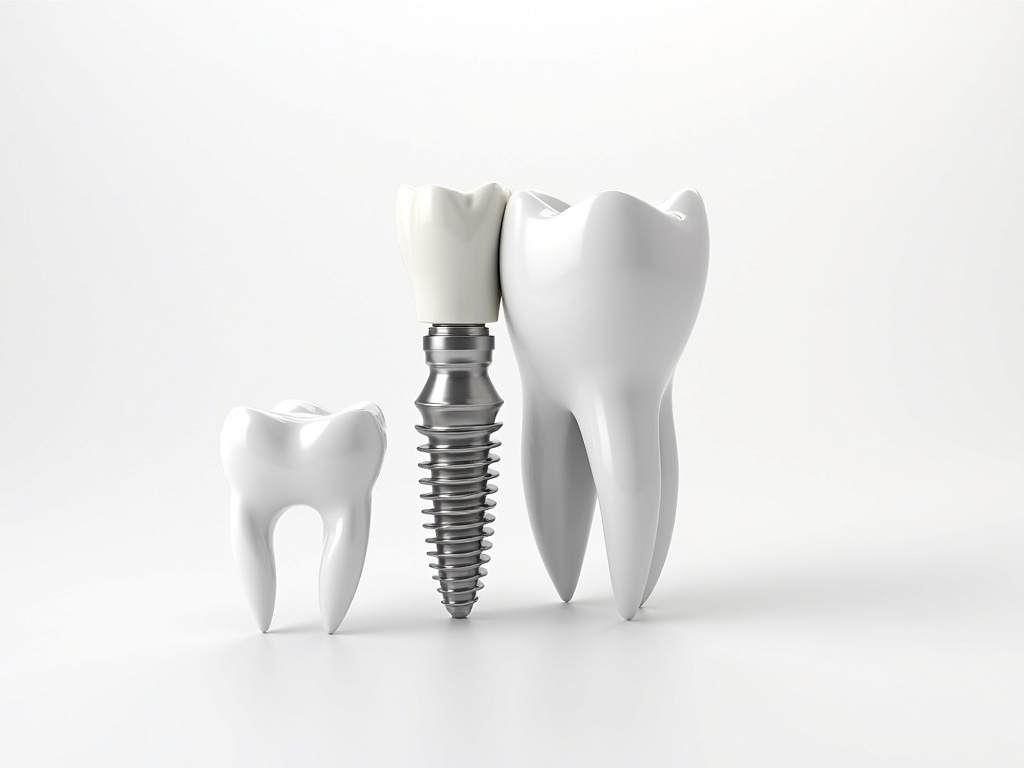

A missing tooth creates more than an empty space. It can change how you chew, affect neighboring teeth, and make everyday eating or smiling feel different. Dental implants can replace missing teeth with a restoration designed to function within the mouth, but not everyone is automatically ready for implant treatment. Candidacy depends on the condition of your gums and jawbone, your general health, your oral hygiene, and several practical factors.
If you are researching Dental Implants in Cudahy, WI, the most useful question is not simply whether implants are popular. It is whether your mouth and circumstances can support predictable treatment and long-term maintenance. A consultation gives a dentist the opportunity to evaluate those details instead of relying on a general checklist. For example, South Shore Dentistry & Implants can use an individual evaluation to discuss implant candidacy and possible treatment paths.
Start With the Condition of Your Mouth
Dental implant planning begins with the tissues that will support the replacement. A dentist needs to examine the missing-tooth area, surrounding teeth, gums, and available bone. The goal is to determine whether the proposed implant can be positioned in a stable and functional location.
Bone Support Matters
An implant is placed into the jawbone and depends on healing and integration with that bone. After tooth loss, the bone in the area can change over time. The amount of available bone varies from person to person, so an evaluation is necessary before treatment is planned.
If the available bone is not sufficient for the proposed implant, the dentist may discuss whether additional treatment could improve the site. That does not automatically rule out implants; it simply means the treatment plan may involve more than one stage.
Gum Health Is Part of Candidacy
Healthy gum tissue is important because the gums surround and protect the structures supporting the implant. Active gum disease or persistent inflammation should be addressed as part of the treatment plan rather than overlooked.
Good oral hygiene also matters after placement. An implant is not a substitute for daily dental care. Plaque can still collect around an implant and the neighboring natural teeth, so patients need a practical routine they can maintain consistently.
Your Overall Health Can Influence the Plan
Dental implant treatment involves minor surgery and a healing period. A dentist therefore needs a clear understanding of relevant health conditions, medications, and habits that may affect healing or oral health.
This does not mean that a particular medical condition automatically makes implants impossible. Instead, the dental team may need to coordinate care, modify the plan, or recommend additional precautions based on the individual situation.
Be Open About Medications and Health History
Bring an accurate list of medications and tell your dentist about significant health conditions and previous procedures. Even information that seems unrelated can help the dental team plan safely.
The same principle applies to previous dental treatment. If you have had gum disease, bone loss, difficult extractions, or other oral problems, those details can influence how the implant site is assessed.
Smoking and Tobacco Use Deserve Attention
Smoking and other tobacco use can affect oral tissues and healing. If you use tobacco, discuss it before beginning dental implant treatments rather than waiting until after surgery.
A dental professional can explain how your current habits may influence your individual treatment plan and what changes may be advisable. The conversation is also useful because tobacco can affect the health of natural teeth and gums around the implant.
Oral Hygiene Is a Long-Term Requirement
Implant treatment does not eliminate the need for brushing, cleaning between teeth, and professional dental care. Patients who are willing to maintain their oral hygiene generally have a more appropriate foundation for long-term implant maintenance.
If brushing and interdental cleaning are currently inconsistent, improving those habits before treatment may be an important part of preparing for an implant.

The Number and Location of Missing Teeth Matter
Replacing one tooth is different from replacing several teeth. The location of the missing tooth also affects the treatment design because different areas of the mouth experience different biting forces and have different amounts of available space.
For someone missing a single tooth, a single implant-supported crown may be considered. Multiple missing teeth may call for a different restorative approach.
Patients exploring tooth implants in Cudahy should therefore discuss the entire treatment area rather than assuming that every missing tooth can be replaced with the same implant design.
Single-Tooth Replacement Has Specific Goals
With a single missing tooth, the treatment plan must account for the neighboring teeth, the opposing tooth, available bone, gum contours, and the final crown. The implant needs to fit into the existing bite and space without creating unnecessary pressure on adjacent structures.
A dentist can evaluate these relationships and explain whether single tooth implant in Cudahy is appropriate for the individual case.
Your Bite and Habits Also Matter
The way your teeth meet affects how forces move through the mouth. Heavy clenching or grinding can place additional stress on natural teeth and restorations.
If you grind your teeth at night or frequently clench your jaw, mention it during an implant consultation. The dental team may consider your bite when planning the restoration and may discuss protective measures if appropriate.
Lifestyle Can Affect Long-Term Maintenance
An implant is designed to become part of your long-term oral care routine. Patients should be prepared to attend regular dental visits, keep the area clean, and report changes such as swelling, bleeding, discomfort, or a loose restoration.
These responsibilities are manageable for many patients, but they should be understood before treatment begins.
Age Alone Does Not Tell the Whole Story
People sometimes assume that dental implants are only for older adults or that younger patients cannot receive them. In reality, candidacy depends on individual dental development, health, bone condition, and treatment needs.
For adults, chronological age by itself does not provide enough information to determine suitability. A complete dental evaluation is more useful than an age-based assumption.
What Happens During an Implant Evaluation?
A consultation is designed to answer a practical question: can an implant be placed and restored in a way that fits the patient’s oral health and goals?
The dentist may examine the missing-tooth area, evaluate the gums and surrounding teeth, assess the bite, and use dental imaging when appropriate. The treatment plan can then be based on the actual anatomy rather than a generic recommendation.
Expect Questions About Your Goals
Tell the dentist what you want to improve. You may be most concerned about chewing, appearance, stability, or avoiding removable teeth. Your priorities help shape the conversation about available options.
A professional dental implant service should involve more than placing hardware. It should include a clear explanation of the restoration, healing process, maintenance requirements, and alternatives when relevant.
You May Need Preparation Before Placement
Some patients can proceed with implant placement after the initial evaluation, while others need preliminary treatment. This may include addressing gum disease, treating decay, removing a damaged tooth, or evaluating bone conditions.
Preparation is not necessarily a setback. It can be an important step toward creating a healthier environment for the planned restoration.
Healing Time Is Individual
After placement, the implant needs time to heal and integrate with the surrounding bone before the final restoration is completed. The timing can vary based on the procedure, the patient’s healing, and whether additional treatment was necessary.
Following post-treatment instructions and attending scheduled reviews helps the dental team monitor progress.
Practical Questions to Ask Before Choosing Treatment
Patients often focus on the procedure itself and forget to ask about what happens afterward. Before moving ahead, consider asking what type of restoration is planned, how long the overall process may take, and what maintenance will be expected.
It is also reasonable to ask about alternatives. A missing tooth may be replaceable with an implant, bridge, or removable option depending on the clinical situation. Understanding the choices makes it easier to weigh benefits and limitations.
Cost Is Only One Part of Candidacy
Treatment cost naturally matters when considering implants. However, candidacy should not be determined by price alone. The total treatment may depend on the number of implants, the restoration, diagnostic work, and whether preliminary procedures are needed.
Patients should ask for a clear explanation of what the proposed treatment includes. Comparing treatment plans rather than isolated prices can provide a more useful picture of overall value.
Signs You May Be Ready for an Implant Consultation
You may be ready to discuss implant treatment if you have a missing tooth, want a stable replacement, have reasonably good oral hygiene, and are prepared to maintain regular dental care.
That still does not confirm candidacy. The final decision depends on an examination of the mouth and the health factors relevant to your treatment.
For people considering Dental Implants in Cudahy, WI, a consultation can turn a general question about implants into a personalized assessment of available options.
When Another Option May Be Better
Dental implants are not automatically the best choice for every patient. A bridge or denture may be more appropriate depending on the condition of the supporting teeth, bone, gums, preferences, treatment timeline, and budget.
A thorough consultation should explain these possibilities rather than presenting one solution as suitable for everyone.
How to Prepare for a Successful Long-Term Outcome
The best preparation starts before the implant is placed. Keep existing teeth and gums healthy, follow your dental team’s recommendations, disclose relevant medical information, and address habits that could interfere with oral health.
After treatment, continue the same mindset. Brush carefully, clean around the restoration as instructed, attend professional examinations, and report unusual symptoms early.
Final Thoughts
Being a good dental implant candidate is not about checking one box. Bone support, gum health, oral hygiene, medical history, tobacco use, bite forces, the number of missing teeth, and willingness to maintain the restoration all contribute to the decision.
If you are considering Dental Implants in Cudahy, WI, the next step is a personalized evaluation rather than trying to determine candidacy from an online checklist. The dentist can assess the treatment area, explain whether preparation is needed, and compare implant treatment with other tooth-replacement options.
A well-planned dental implant procedure is built around the patient’s individual anatomy and long-term oral health. Understanding those factors before treatment can help you approach the decision with clearer expectations and a better idea of what successful maintenance will involve.
Frequently Asked Questions
Can anyone with a missing tooth get a dental implant?
Not automatically. Candidacy depends on bone support, gum health, medical history, oral hygiene, treatment goals, and other factors. A dental examination determines whether implants are appropriate for your situation. after evaluation.
Does having bone loss mean I cannot receive an implant?
Not necessarily. Bone loss can affect planning, but some patients may have treatment options to prepare the site. Your dentist can assess bone levels and explain whether additional procedures are appropriate for you.
How long does a dental implant consultation take?
Consultation time varies with case complexity. It may include an examination, health-history review, imaging, discussion of replacement options, and a treatment plan tailored to your oral health and personal goals. and circumstances.


Join the conversation