
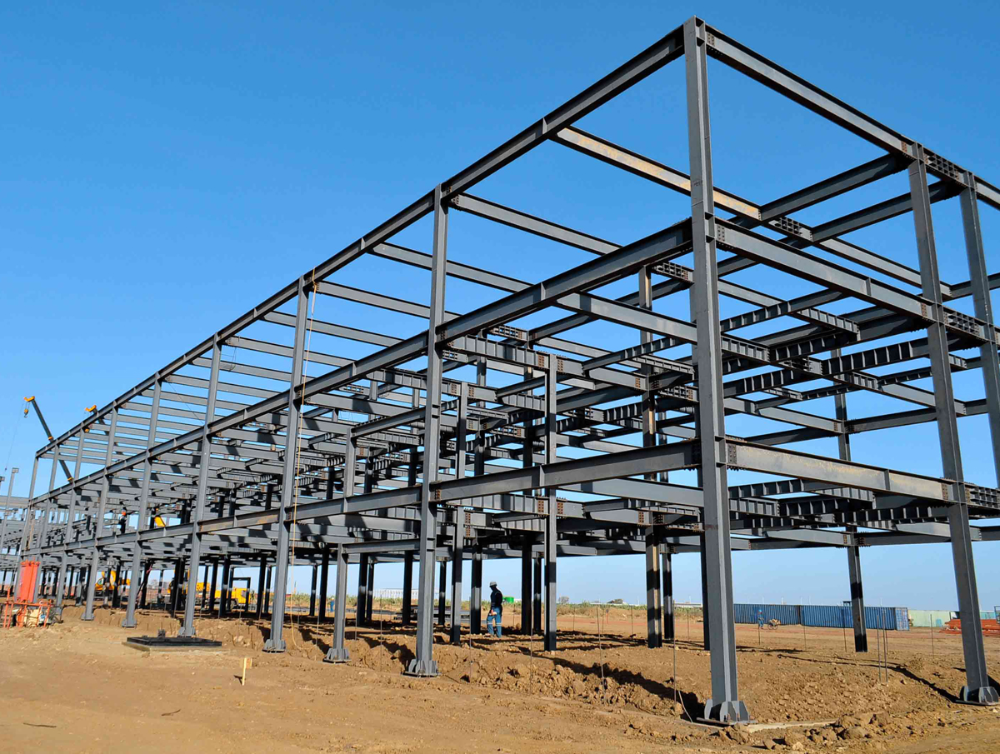

Structural steel projects depend on careful coordination between engineers, detailers, fabricators, and erection teams. However, problems can develop when connection information is incomplete or fabrication drawings do not match the latest design requirements. Even a small error may affect multiple steel members once production begins. For this reason, steel detailing should receive attention before material cutting, drilling, and assembly. Clear drawings help the fabricator understand each component, while coordinated models help the project team review the entire structure. A reliable workflow can reduce uncertainty and make fabrication planning more effective.
Why Steel Detailing Is Essential for Fabrication
Professional structural steel detailing services help convert structural design drawings into detailed information for manufacturing and erection. These services commonly involve shop drawings, erection drawings, member identification, connection details, and three-dimensional models. However, detailing does not automatically include responsibility for structural engineering design. The contract should establish who designs connections, who reviews engineering requirements, and who approves changes. When these responsibilities are clear, detailers can prepare accurate information without making unsupported design decisions.
Understanding Structural Design and Shop Drawings
Structural design drawings explain the engineer’s intended building system. They identify major steel members, structural grids, levels, and design requirements. However, fabrication teams need more specific information. Shop drawings provide details about individual components and how they must be prepared for manufacturing.
What Should Steel Shop Drawings Include?
Shop drawings may identify member marks, dimensions, material specifications, connection plates, holes, weld requirements, and other fabrication details. The exact information depends on the project’s scope and approved design. For example, a beam shop drawing may need to show the required end connections and relevant cutting dimensions. However, the detailer must work from authorized information. Unresolved engineering questions should receive formal clarification before production.
Why Erection Drawings Are Different
Erection drawings show how steel members fit together on site. They commonly include grid references, member marks, elevations, and installation relationships. Their purpose differs from individual shop drawings. A shop drawing helps the fabricator manufacture a component. Meanwhile, an erection drawing helps the field team identify its intended location. Both document types should remain consistent.
Checking Steel Member Dimensions Before Fabrication
Dimensional accuracy matters because structural steel components must fit together during assembly. A fabrication error may require cutting, drilling, or replacement. Therefore, we should verify important measurements before production.
Review Grids and Elevations
Structural grids provide reference locations for columns, beams, and other members. Elevations establish the required vertical positions. However, architectural and structural information may not always align perfectly during design development. We should compare the latest authorized drawings and raise discrepancies for review. This helps prevent incorrect member placement.
Check Openings and Penetrations
Steel framing may need openings or coordinated space for building services. However, changes to structural members can affect their performance. For example, a proposed opening through a beam requires appropriate engineering review. The detailer should identify the requirement and coordinate with the responsible design team. This prevents unauthorized fabrication changes.
Why Connection Detailing Needs Special Attention
Steel connections allow structural members to transfer forces through the building. They may involve bolts, welds, plates, stiffeners, and other components. However, connection design and connection detailing are not the same responsibility. The engineer responsible for the connection design must establish the required structural performance. The detailer then prepares information consistent with that approved design.
Review Bolted Connections
Bolted connections need clear information about bolt sizes, grades, quantities, hole arrangements, and relevant installation requirements. Incorrect details can create fitting problems in the field. Therefore, drawings should remain consistent with the approved connection requirements. We should also consider whether tools can access the connection during installation. A connection may appear acceptable in a model but still be difficult to assemble.
Review Welded Connections
Weld information should clearly communicate the required type, size, and location. Fabricators also need to understand which welds belong in the shop and which are intended for field work. However, welding procedures and inspection requirements may involve additional specifications. The drawing package should identify relevant requirements without leaving critical details to assumption.
BIM Coordination for Structural Steel
Digital structural models allow teams to review member positions and their relationships with other building systems. Professional BIM structural services can support model development, coordination, and structural information management. However, a three-dimensional model does not replace the need for approved design information. Its value depends on model accuracy, agreed detail requirements, and regular updates.
Coordinate Steel With MEP Systems
Mechanical ducts, pipes, and electrical services may cross structural framing. For example, a large duct may conflict with a beam or connection plate. Identifying this concern during model coordination provides an opportunity to review alternative routes. However, changes to structural steel require approval from the responsible engineer. Therefore, coordination should follow a documented decision process.
Review Tight Connection Areas
Complex framing intersections can contain several members and connection components within a limited space. These areas may be difficult to fabricate or erect. A detailed model can help reviewers examine bolt access, plate positions, and practical assembly conditions. However, final constructability decisions should involve the relevant fabrication and erection teams.
Structural Steel Estimating Before Procurement
Steel quantity planning helps contractors understand material requirements and prepare realistic budgets. Professional structural steel estimating services can support material takeoffs, preliminary cost planning, and project bidding. However, estimating information should reflect the stage of design development. Early estimates may rely on incomplete connection details or preliminary member schedules. Therefore, assumptions should be documented clearly.
Understanding Steel Quantity Takeoffs
A steel takeoff may include beams, columns, braces, plates, and other specified components. Quantities can be organized by material type, member size, weight, or project area. However, the required format depends on procurement and estimating needs. We should also consider connection materials and fabrication requirements where the project scope calls for them. Accurate quantity information helps purchasing teams plan material orders.
Comparing Estimates With Fabrication Models
As detailing progresses, the model may reveal changes in quantities. For example, additional plates or revised members may affect the material total. We should compare these changes with earlier estimates. However, the comparison must account for design revisions and scope differences. A quantity increase does not automatically mean that the original estimate contained an error.
Fabrication Readiness and Document Control
Fabrication should begin only when the required information has reached the proper approval stage. Otherwise, the shop may produce components using outdated or incomplete details. Therefore, a clear document control process is essential.
Track Drawing Revisions
Every drawing should have identifiable revision information. The fabricator should know which version applies to production. When changes occur, the detailing team should identify affected members and assemblies. This helps prevent different shop teams from working with conflicting information.
Resolve Open RFIs
Requests for information help clarify missing or inconsistent design details. However, open questions may affect fabrication readiness. We should identify which steel members depend on unresolved responses. Those items should not proceed without the approvals required by the project process. A controlled release helps reduce unnecessary rework.
How Steel Detailing Supports Erection Planning
Fabrication is only one part of the steel construction process. Erection teams also need reliable information about member identification and installation relationships. For example, clear erection drawings can help the site team understand where specific assemblies belong. However, erection engineering, temporary stability, and lifting plans may require separate specialist input. Steel detailing should support those activities without taking over responsibilities outside its agreed scope.
Member Marking and Assembly Identification
Consistent member marks connect shop drawings with the erection package. Therefore, a steel member should have a clear identity throughout fabrication, delivery, and installation. If marks change unexpectedly, site crews may struggle to locate the correct components. Good document control reduces this risk.
Quality Control Before Fabrication Release
A quality review should compare shop drawings with the latest approved structural information. We should also check member dimensions, connection details, material specifications, and relevant revisions. However, a useful review goes beyond checking whether the drawings look complete. The team should consider whether the information supports actual fabrication work.
Independent Checking
A second reviewer may identify issues that the original detailer overlooked. For example, a reviewer may detect a missing connection note or inconsistent member mark. Independent checks can strengthen quality control. However, the review scope and acceptance criteria should be established before work begins.
Choosing a Steel Detailing Provider
When selecting a detailing provider, we should evaluate experience with similar structures. A company familiar with industrial steelwork may face different requirements from a team working mainly on smaller commercial frames. We should also review software capabilities, drawing standards, and coordination methods.
Confirm the Project Deliverables
Before hiring, we should agree on the required models, shop drawings, erection drawings, and material reports. The contract should also define engineering responsibilities and approval procedures. Additionally, we should discuss revision handling and expected response times. Clear requirements help both parties understand what successful delivery means.
Conclusion
Structural steel detailing helps turn engineering information into clear fabrication and erection documents. However, successful detailing depends on accurate dimensions, approved connection requirements, and organized coordination. When we review these elements before fabrication release, we can reduce avoidable errors and support more predictable construction activities. The objective is not simply to produce more drawings. It is to provide reliable information that fabricators and contractors can use with confidence.



Join the conversation