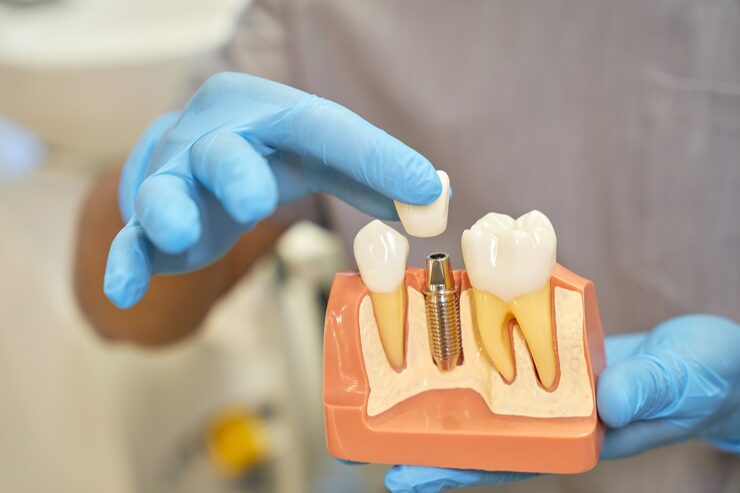
A toothache does not always mean you need a root canal. Pain can come from a cavity, sensitive teeth, a cracked tooth, gum problems, a loose filling, grinding, or an infection inside the tooth. That is why a proper dental examination matters before choosing treatment. If you’re dealing with ongoing tooth pain, learning what may be behind it can help you understand why a root canal in Burlington may be recommended in some cases but not others.
A Toothache Can Have Many Causes
Teeth can hurt for surprisingly different reasons. A small cavity may cause a brief reaction to something cold, while a damaged nerve can create pain that lingers long after you finish eating or drinking. A cracked tooth may hurt mainly when you bite down, while gum irritation can make the area around a tooth feel sore.
The location of the pain does not always tell the whole story either. Pain can sometimes spread or feel like it is coming from a nearby tooth. Your dentist looks at your symptoms, dental history, examination findings, and often X-rays or other tests before deciding what is causing the problem.
When a Toothache May Not Need a Root Canal
Not every painful tooth has a damaged or infected pulp. The pulp is the soft tissue inside the tooth that contains nerves and blood vessels. If the problem is limited to the outer layers, treatment may be much simpler.
For example, a brief sensitivity to cold can sometimes be linked to minor decay, a loose filling, or exposed root surfaces. A dentist may recommend a filling, treatment for sensitivity, or another approach instead of root canal treatment.
Recent dental work can also cause temporary sensitivity. If the discomfort gradually improves, the tooth may not need further treatment. Persistent or worsening pain, however, deserves another examination.
The Pulp Is the Key Part
Root canal treatment becomes relevant when the pulp inside a tooth becomes badly inflamed or infected and cannot recover. Deep decay, cracks, repeated dental procedures, or trauma can damage this inner tissue. A root canal removes the damaged pulp, cleans the inside of the tooth, and seals it to prevent reinfection.
That is the main difference between a routine toothache and a tooth that may need endodontic treatment. The question is not simply, “Does it hurt?” The more important question is, “What is happening inside the tooth?”
Lingering Sensitivity Can Be a Warning
Pay attention to how long the pain lasts. A quick flash of sensitivity after eating ice cream is different from pain that continues after the cold food is gone.
The American Association of Endodontists notes that lingering sensitivity to hot or cold can indicate significant pulp damage, especially when the discomfort lasts for an extended period.
Other warning signs can include:
- Strong pain when chewing or biting
- Pain that appears without an obvious trigger
- A swollen or tender gum near the tooth
- A pimple-like bump on the gum
- Lingering hot or cold sensitivity
- Severe pain or pressure around the tooth
None of these signs can confirm a root canal on their own. They simply mean the tooth needs professional evaluation.
What Happens When Decay Reaches the Nerve?
Tooth decay usually starts in the outer part of the tooth. If it continues untreated, it can move deeper toward the pulp. Once the pulp becomes seriously inflamed or infected, a filling may no longer be enough.
A dentist may recommend a root canal in Burlington when the inside of the tooth cannot recover. The purpose is not simply to stop the pain. It is to remove infection or damaged pulp while keeping the natural tooth in place.
Saving the natural tooth can help preserve normal chewing and reduce the need for a replacement tooth later.
A Cracked Tooth Can Tell a Different Story
A crack does not automatically mean a root canal is needed. Some cracks affect only the outer structure, while deeper cracks can reach the pulp and cause significant damage.
Pain when biting is one symptom dentists consider when evaluating a cracked tooth. The discomfort may feel sharp and sudden, then disappear when you stop biting.
Treatment depends on the location and depth of the crack. Your dentist may recommend a restoration, crown, root canal treatment, extraction, or another option depending on what can safely be saved.
What if the Pain Suddenly Stops?
This can be confusing. You may have severe tooth pain for several days and then wake up feeling fine. It is easy to assume the problem has fixed itself.
Unfortunately, pain disappearing does not always mean the tooth has healed. If the pulp loses its ability to respond, symptoms can decrease even while infection continues around the tooth.
That is one reason a tooth that suddenly stops hurting after severe pain should still be checked.
An Abscess Is a Different Level of Concern
An abscess is an infection that creates a collection of pus in or around a tooth. It can cause intense pain, swelling, tenderness, a bad taste, fever, or difficulty chewing. An abscess needs prompt dental care and will not simply disappear on its own.
A tooth with an abscess may need root canal treatment or extraction, depending on its condition. Your dentist will determine which option can safely treat the infection and deal with the damaged tooth.
Why Dentists Do More Than Listen to Your Symptoms
Two people can describe their toothache in almost the same way and need completely different treatments. One person may have a cavity that can be restored with a filling. Another may have deep pulp damage that calls for a root canal.
Your dentist may use several types of information:
- Your description of the pain
- A visual examination
- Pressure or bite testing
- Temperature or other pulp tests
- Dental X-rays
- The condition of nearby teeth and gums
Can You Wait and See?
Waiting can sometimes turn a manageable dental problem into a much bigger one. A small cavity may require a filling today, while deeper decay can eventually affect the pulp.
An untreated infection can also lead to an abscess and may eventually make saving the tooth more difficult. That does not mean every mild toothache is an emergency. It means ongoing, worsening, or unusual pain deserves attention instead of being ignored.
If tooth pain lasts more than a couple of days, keeps returning, or comes with swelling, fever, pain when biting, or a bad taste, dental evaluation is important.
The Goal Is to Treat the Actual Problem
Tooth pain is a warning, not a diagnosis. Finding the real cause is the first step toward the right treatment.
If you need a root canal in Burlington, MA, an early dental exam can help save the natural tooth and avoid treatment you may not need.