

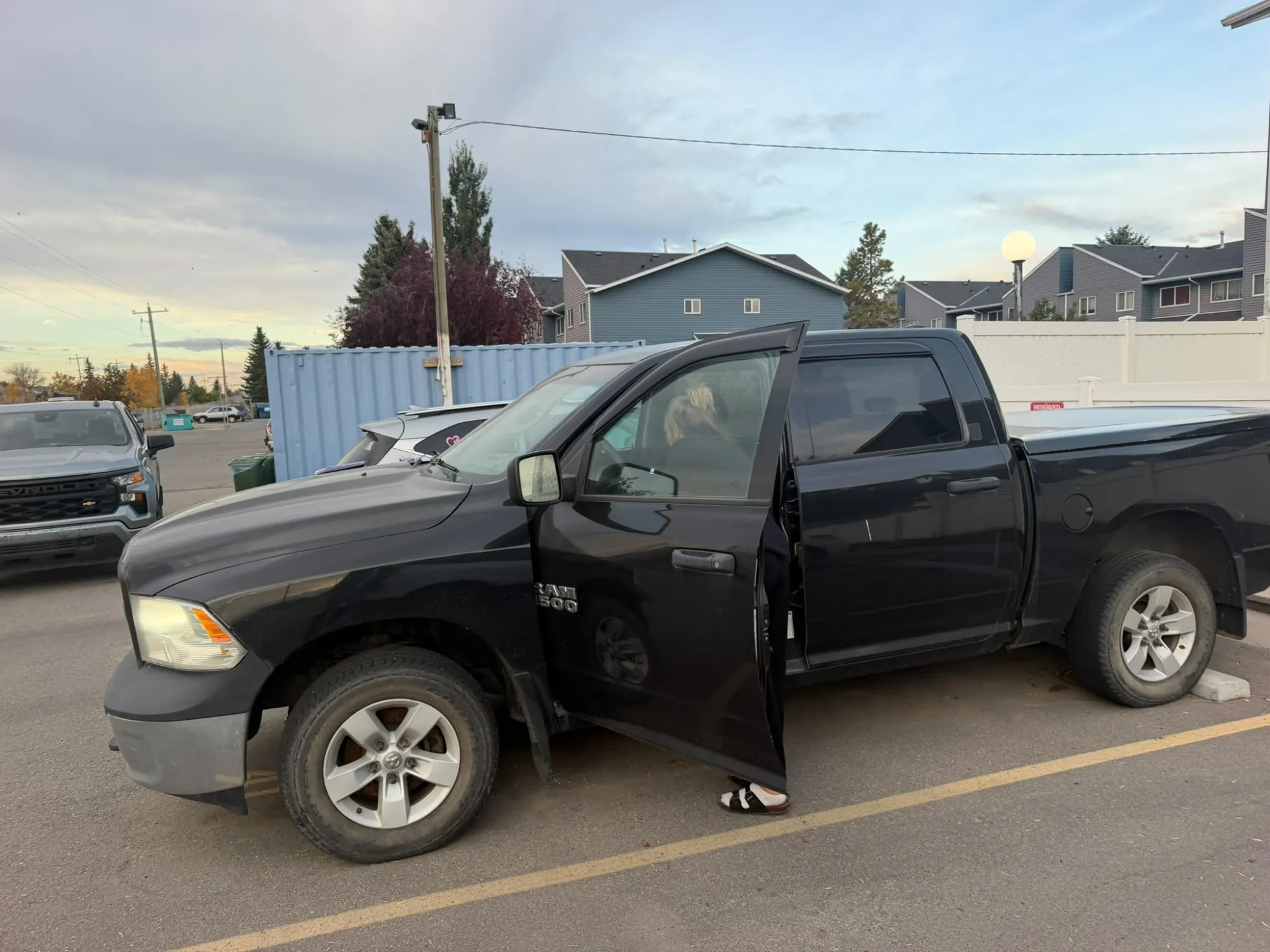

When an old car reaches the end of its road, many Calgarians want it to do some good. Donating it to a charity sounds like the obvious choice. But there’s another option many people don’t consider: sell the car for cash and donate the money directly. Which one actually helps the charity more, and which gives you the better tax result? This guide walks through how car donation programs work in Canada, how Alberta’s donation tax credits apply, and how to decide.
This article is general information, not tax advice. Your situation may differ, so check with a tax professional for large donations.
How Car Donation Programs Usually Work
Most charities don’t take your car and use it themselves. Instead, a car donation program or partner company picks up the vehicle and either sells it at auction or sends it to a recycler. The charity receives money from that sale, and you receive a tax receipt.
The key detail is what happens between the sale and the charity. Programs differ:
Some programs deduct a commission or costs from the sale before passing the rest to the charity. For example, Donate a Car Canada says it keeps a commission of 0% to 17% of the gross sale price, up to $1,000, on vehicles it auctions or resells.
Some charities and programs offer a minimum tax receipt amount for any vehicle.
Some programs say they pass on 100% of the amount offered for the vehicle.
None of this is a problem in itself. Running a donation program costs money. But it’s worth asking any program exactly how much of your car’s value reaches the charity.
How Alberta Donation Tax Credits Work
Whether you donate a car or cash, the tax treatment comes from the official donation receipt. Alberta has one of the most generous donation credits in Canada. According to ATB, for most Alberta residents the combined federal and provincial credit is roughly 75% on the first $200 of donations in a year and 50% on donations over $200.
Put simply: for most people, every dollar of donations above $200 in a year reduces their tax bill by about 50 cents. The first $200 is worth even more.
Option 1: Donate the Car
Pros
One phone call: the program usually arranges free pickup
You don’t have to deal with buyers
Some programs guarantee a minimum receipt amount
It feels personal: “my car helped this cause”
Cons
You may not know the receipt amount until the car is sold
Program fees or commissions can reduce what the charity actually receives
You get no cash, only a tax receipt
Option 2: Sell the Car for Cash, Then Donate the Money
Pros
You know the exact amount up front, because you have a firm quote
You decide exactly how much to give: all of it, part of it or none
The charity receives 100% of what you give, with no program commission
You get a receipt for the full cash donation
You can give to any registered charity, including small local ones without a car program
Cons
Two steps instead of one: sell, then donate
You need to remember to make the donation
Side-by-Side Comparison
Donate the car
Sell, then donate cash
Effort
One call
Two steps
Amount known in advance?
Often not
Yes
Share reaching the charity
Sale price minus any program fees
100% of what you donate
Choice of charity
Charities with car programs
Any registered charity
Can you keep part of the money?
No
Yes
Tax receipt
Based on the program’s sale or valuation
For the cash amount you donate
A Simple Example
Let’s say an old sedan could get a $700 cash quote. (This is an illustration, not a price estimate.)
Sell and donate all $700: the charity receives $700. You get a $700 receipt. If you’ve made no other donations that year, that’s about $150 on the first $200 plus about $250 on the remaining $500, roughly $400 in tax credits in total.
Donate the car through a program: the charity receives whatever the program passes on after the vehicle is sold and any costs are deducted. Your receipt reflects that amount or the program’s minimum.
The right choice depends on what a specific program offers. The point is to compare real numbers, not assumptions.
How to Decide
Donate the car if:
Your chosen charity has a car program that’s transparent about fees
The program offers a minimum receipt higher than what you’d get selling it
You want the simplest possible process
Sell and donate the cash if:
You want the charity to receive every dollar
Your favourite charity doesn’t have a car program
You’d like to split the money between a donation and your own needs
You want to know the exact amount before deciding
To compare, get a firm quote from a buyer first. In Calgary, a local cash-for-cars company can price your vehicle as it is, with free towing. Then ask your charity’s car program what it expects to pass on. You’ll have two real numbers to compare.
Questions to Ask Any Car Donation Program
“How much of my car’s sale price will the charity receive?”
“Are there fees for towing, auction or administration?”
“How is the tax receipt amount decided, and is there a minimum?”
“When will the charity receive the money, and when will I get my receipt?”
“Can I choose which charity receives the donation?”
Frequently Asked Questions
Is it better to donate a car or sell it and donate the money?
It depends on the program. Selling and donating cash means the charity gets 100% of what you give and you know the amount upfront. Donating the car is simpler but may involve program fees. Compare both with real numbers.
How much tax credit do I get for donations in Alberta?
For most Alberta residents, the combined federal and provincial credit is roughly 75% on the first $200 of donations in a year and 50% on amounts above $200. Higher earners may get slightly more on larger donations.
Do I get a tax receipt when I donate a car in Canada?
Yes, from the registered charity. The amount is usually based on what the car sold for or its fair market value, and some programs set a minimum. Ask the program how they determine it before you donate.
Do the Most Good With Your Old Car
Both choices can help a cause you care about. The difference is in the details: fees, receipt amounts and how much control you want. Take ten minutes to get a cash quote and ask your charity’s program a few questions. Then choose the path that puts the most good where you want it.


Join the conversation