

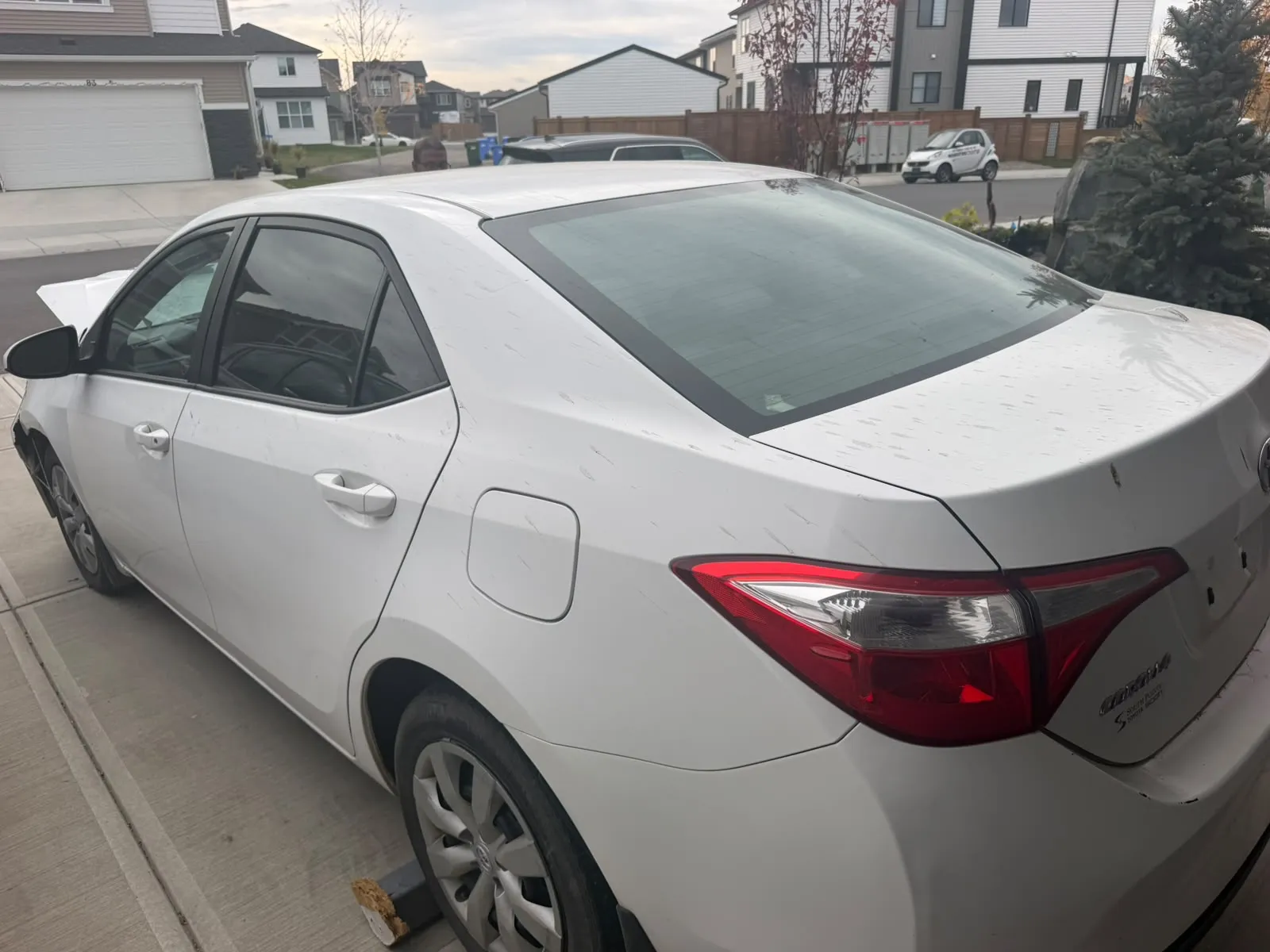

When someone close to you dies, their car is often one of the last things anyone thinks about. Then weeks later it’s still sitting in the driveway or parkade, and someone has to decide what to do with it. If you’re the executor or a family member trying to sort it out, you’re not alone, and it’s simpler than it looks. This guide explains who can sell the car, what paperwork Alberta registries usually ask for, what to check before selling, and how a cash for cars Calgary buyer can help when the vehicle is old, damaged or no longer running.
This article is general information, not legal advice. Estates can be complicated. If there are disagreements, debts or a large estate, speak with an estate lawyer.
First: Who Has the Right to Sell the Car?
When the registered owner dies, the vehicle usually becomes part of their estate. That means the person with legal authority over the estate is the one who can sell it, not simply whoever has the keys.
If there’s a will: the executor named in the will normally handles the vehicle.
If there’s no will: a court appoints an administrator, who then has the authority.
If the car was jointly registered: the surviving co-owner’s situation can be different. Ask a registry agent how the vehicle is recorded.
Alberta’s government advises contacting a local registry office with questions about dealing with a deceased person’s vehicle. That’s the best place to confirm what’s needed for your specific situation.
Paperwork You’ll Likely Need
Exact requirements depend on the estate and how the vehicle is registered, but registry agents commonly ask for:
Document
Why it’s needed
Death certificate
Confirms the registered owner has died
Proof of authority (such as a grant of probate or letters of administration)
Shows you’re legally allowed to act for the estate
The vehicle’s registration, if you can find it
Identifies the vehicle and its registered owner
Your own valid photo ID
Confirms who you are
A bill of sale, when the car is sold
Records the transfer from the estate to the buyer
Applying for a grant of probate or administration is done through the courts. Alberta provides the forms online, or a lawyer can handle the application.
Can Family Keep Driving the Car in the Meantime?
Alberta’s registry rules allow certain people, such as the deceased’s spouse or adult interdependent partner, to keep driving the vehicle until the deceased owner’s registration expires. Insurance still has to be in place. Call the insurer as soon as possible to tell them about the death and confirm who’s covered to drive.
If no one needs to drive the car, it’s often wiser to park it, confirm the insurance situation, and arrange a sale.
Before You Sell: Four Things to Check
1. Is there a loan on it?
A Vehicle Information Report, ordered with the VIN, shows how many liens are registered against the car in Alberta. If there’s a loan, it’s a debt of the estate and must be cleared before the buyer gets clean ownership.
2. Is it insured and registered?
Keep insurance active while the car is parked, even if only for theft and weather. Once the car is sold, cancel the registration and insurance, and ask about any refunds owed to the estate.
3. What’s inside it?
Cars hold more personal items than people expect: letters, photos, sunglasses, a spare house key, medication, documents with personal information. Check the glovebox, centre console, visors, under the seats and the trunk. Take time with this. It can be an emotional job, and it’s fine to ask someone else to help.
4. What’s it actually worth?
Older vehicles that sat unused often have dead batteries, flat tires or mechanical problems. Get a firm quote before deciding between a private sale, giving it to a relative or selling it for cash.
Your Options: Family Transfer, Private Sale or Cash for Cars Calgary
Transfer it to a family member
If someone in the family wants the car and the will allows it, the executor can transfer it to them at a registry agent. The new owner then registers and insures it in their name.
Sell it privately
This can bring the highest price for a car in good condition. But it means listing the car, taking calls and meeting buyers, which isn’t easy while settling an estate.
Sell it for cash
For a car that’s old, damaged, or that no one wants to deal with, a cash buyer can quote it, tow it for free and pay the estate in one visit. The bill of sale should show the estate as the seller, with the executor or administrator signing on its behalf.
Junk My Car YYC offers junk car removal in Calgary for vehicles that don’t run, so a car that’s been sitting doesn’t need to be started or driven first.
A Simple Step-by-Step Plan for Executors
Find the registration, keys and any loan paperwork.
Call the insurer to report the death and confirm coverage.
Order a Vehicle Information Report to check for liens.
Confirm your authority to sell, and what the registry needs, with a registry agent or estate lawyer.
Remove all personal belongings from the car.
Get a firm quote, or agree on a transfer to a family member.
Complete a bill of sale naming the estate as seller.
Remove the plates, cancel the registration and insurance, and record the sale money in the estate’s accounts.
Frequently Asked Questions
Do I need probate to sell a deceased person’s car in Alberta?
It depends on the estate and how the vehicle is registered. Registry agents often ask for proof that you have authority to act for the estate, such as a grant of probate or letters of administration. Contact a registry agent or an estate lawyer to confirm what applies to you.
Who signs the bill of sale for an estate car?
The executor or court-appointed administrator usually signs on behalf of the estate. The bill of sale should name the estate as the seller and include the date, VIN, vehicle details, price and the buyer’s signature.
Can I scrap an inherited car that doesn’t run?
Yes, as long as you have the authority to deal with the estate’s property. A cash car buyer can tow a non-running car for free. Have the death certificate, proof of authority and your ID ready, and the buyer will tell you anything else they need.
What happens to the money from selling the car?
The money belongs to the estate. The executor records it with the other estate assets and uses it as the will or the law directs, for example to pay estate debts or distribute to beneficiaries.
One Less Thing to Worry About
Dealing with a loved one’s car is often a small task that feels much heavier than it is. Confirm who has authority, gather the paperwork, check for a loan and clear out personal items. Then choose the option that’s easiest for your family. If the car is old or not running, call Junk My Car YYC at (403) 837-1550. We’ll explain what we need, give you a firm quote and handle the towing with care.



Join the conversation