

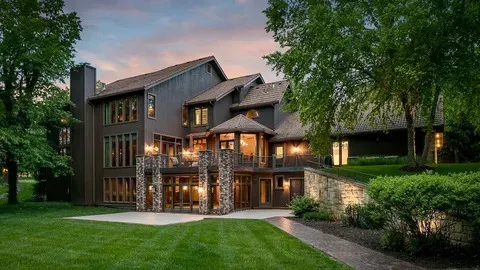

Finding the right rental home involves more than choosing a location and comparing monthly rent. Tenants also need to consider space, privacy, comfort, neighborhood conditions, and lease terms. For renters who want more room than a typical apartment can offer, duplexes for rent in Kansas City MO can be an appealing housing option. These properties combine features of single-family homes and apartment living, giving residents a separate living space within a shared residential building.
Kansas City offers different neighborhoods and housing styles, so choosing the right duplex requires careful research. Some renters may prefer a quiet residential area, while others may need convenient access to schools, shopping centers, workplaces, or major roads. Household size, parking needs, outdoor space, and monthly expenses can also influence the decision.
A duplex can provide a comfortable living arrangement when its layout and location match a tenant’s lifestyle. However, not every property offers the same features or rental conditions. Understanding what to compare can help renters avoid unexpected costs and make a more informed choice.
Explores the important factors to consider when searching for a duplex rental in Kansas City, Missouri, from property layouts and neighborhood selection to lease agreements and maintenance responsibilities.
1. Understand What Makes Duplexes Different from Other Rental Homes
Before comparing available properties, renters should understand how duplexes differ from apartments, townhomes, and single-family houses. This knowledge makes it easier to decide whether this housing style meets their needs.
What Is a Duplex Rental?
A duplex is a residential building divided into two separate living units. Each unit usually has its own entrance, kitchen, bathroom, and living areas. The units may sit side by side or one above the other, depending on the building design.
Unlike a traditional apartment building, a duplex generally contains only two residential units. This arrangement can offer a more residential atmosphere while still allowing the property owner to manage both units within one building.
For example, a duplex may have two separate entrances, individual living rooms, private kitchens, and separate bedrooms. One household occupies each unit, allowing residents to enjoy their own indoor space.
How Duplexes Compare with Apartments
Apartments are often part of larger buildings with several units. Duplexes typically have fewer neighboring households within the same structure.
This difference may appeal to renters who prefer a smaller residential setting. Depending on the property design, duplex residents may also have access to separate parking areas, outdoor spaces, or additional storage.
However, privacy levels vary. Some duplexes share walls, driveways, yards, or utility arrangements. Renters should confirm these details before signing a lease.
When a Duplex May Be the Right Choice
Duplex rentals may suit several types of households, including:
- Small families looking for separate bedrooms and living areas.
- Couples who want more space than a studio or apartment provides.
- Professionals who need a dedicated home office.
- Roommates who want separate sleeping areas and shared common spaces.
- Renters who prefer a smaller residential building.
The best option depends on the household’s space requirements, budget, and daily routine.
2. Choose a Kansas City Neighborhood That Matches Your Lifestyle
Location plays a major role in rental decisions. Even a well-maintained duplex may not be suitable if its surroundings create a difficult daily routine.
Kansas City has a wide range of residential areas. Each neighborhood can offer a different combination of transportation access, local services, housing styles, and community surroundings.
Consider Daily Travel and Accessibility
Commuting requirements should be among the first considerations when evaluating duplexes for rent in Kansas City MO.
Renters who travel to work every day may benefit from a property with convenient access to major roads and public transportation. Those who work remotely may place greater importance on a quiet setting and a comfortable home office.
Before selecting a property, renters should consider:
- Distance to workplaces and business areas.
- Access to major roads and highways.
- Availability of public transportation.
- Travel time during busy commuting hours.
- Nearby grocery stores and essential services.
A property that appears close to a workplace on a map may still involve a longer commute during peak traffic periods. Checking the route at different times can provide a clearer picture.
Evaluate Nearby Amenities
Access to everyday services can make a rental property more convenient. Families may want to research nearby schools, parks, and childcare options. Working professionals may prioritize restaurants, fitness centers, and shopping areas.
Other useful neighborhood features include:
- Medical facilities and pharmacies.
- Grocery stores and supermarkets.
- Recreational areas and walking paths.
- Banks and other essential services.
- Community facilities.
The right neighborhood should support the household’s everyday activities rather than simply look attractive during a property visit.
Compare Different Residential Environments
Some renters prefer established neighborhoods with mature trees and traditional homes. Others may favor areas with newer residential developments or convenient access to commercial centers.
A neighborhood visit can help renters understand traffic patterns, parking conditions, noise levels, and general surroundings.
It is also useful to visit during both daytime and evening hours. This allows prospective tenants to evaluate the environment more realistically before making a decision.
3. Compare Floor Plans, Bedrooms, and Interior Features
The layout of a duplex can affect everyday comfort just as much as its total square footage. Renters should consider how each room will support their household’s needs.
Identify the Right Number of Bedrooms
Bedroom requirements depend on household size and lifestyle.
A couple may find a two-bedroom duplex suitable because the additional room can serve as an office or guest bedroom. A family with children may need more bedrooms to provide separate sleeping arrangements.
Renters should think beyond their current needs. A household expecting changes in the near future may benefit from choosing a layout with additional flexibility.
Important questions include:
- Does every household member have enough personal space?
- Is there a suitable room for remote work?
- Are the bedrooms large enough for necessary furniture?
- Does the property provide enough closet space?
- Is there room for guests or future household needs?
Examine the Kitchen and Living Areas
The kitchen and living room often receive the most daily use. Their layout can influence convenience, storage, and comfort.
A practical kitchen should provide enough cabinet space, counter space, and room for essential appliances. Renters should also check whether the kitchen connects conveniently to the dining and living areas.
The living room should accommodate the household’s furniture without making movement difficult.
For example, a household that enjoys cooking and hosting guests may prefer an open kitchen and living area. A renter who values separate spaces may prefer a layout with distinct rooms.
Check Bathrooms, Storage, and Laundry Facilities
Bathroom access and storage capacity are important details that can be overlooked during property tours.
Renters should inspect:
- Number and condition of bathrooms.
- Bathroom ventilation and water pressure.
- Bedroom and hallway closets.
- Kitchen and pantry storage.
- Laundry hookups or included appliances.
- Additional storage areas, if available.
These practical features can make a significant difference in daily living. A duplex with a suitable layout may offer better long-term comfort than a larger property with an inconvenient design.
4. Set a Realistic Rental Budget and Understand Additional Costs
Monthly rent is an important part of the decision, but it should not be the only financial consideration. A rental budget should include all regular housing expenses and possible additional charges.
Calculate the Complete Monthly Housing Cost
Before choosing a duplex, renters should estimate the full cost of living in the property.
Potential expenses include:
- Monthly rent.
- Electricity and natural gas.
- Water and sewer charges.
- Internet service.
- Trash collection.
- Lawn care or snow removal, if assigned to the tenant.
- Parking or other property-related fees.
Not every rental property includes the same services. Some landlords may cover certain utilities, while others require tenants to arrange and pay for them separately.
A clear understanding of these responsibilities can prevent confusion after moving in.
Review the Security Deposit and Move-In Expenses
Renters should also prepare for expenses that occur before or during move-in.
Depending on the lease and property requirements, these may include a security deposit, application fee, administrative charge, or other permitted costs.
The lease should explain the deposit amount, conditions for deductions, and procedures for returning the remaining balance.
In Missouri, tenants should understand the applicable landlord-tenant rules regarding security deposits and rental agreements. Reviewing these requirements can help protect both parties.
Compare Value Instead of Rent Alone
The lowest monthly rent does not always represent the best value.
A slightly more expensive duplex may offer a better location, additional storage, a more practical floor plan, or included services. Another property may have lower rent but require tenants to cover more utilities and maintenance-related expenses.
A simple comparison of total monthly costs can make the differences easier to understand.
The goal should be to select a property that provides suitable living conditions without creating unnecessary financial pressure.
5. Inspect Property Condition, Safety, and Maintenance
A property tour gives renters an opportunity to identify potential problems before signing a lease. A careful inspection can reveal issues that photographs or online descriptions may not show.
Examine the Interior Condition
The general condition of the duplex should be checked during the viewing.
Important areas include:
- Walls, ceilings, and flooring.
- Doors, windows, and locks.
- Heating and cooling systems.
- Plumbing fixtures and water pressure.
- Electrical outlets and lighting.
- Kitchen appliances.
- Bathroom ventilation.
Renters should look for signs of water damage, unusual odors, visible mold, damaged flooring, and pest activity.
Any noticeable concern should be discussed with the landlord or property manager. If repairs are promised before move-in, written confirmation can help avoid misunderstandings.
Evaluate Exterior Areas and Shared Spaces
The exterior condition also deserves attention.
Renters should inspect the roofline from accessible areas, exterior doors, steps, walkways, drainage, and visible landscaping.
If the duplex shares a driveway or outdoor area with the other unit, the property manager should explain how these spaces are divided and maintained.
For example, a renter with a vehicle may need to confirm whether parking is assigned or shared. A household with children may want to understand whether any outdoor area is private and whether its use is permitted under the lease.
Understand Maintenance Responsibilities
Maintenance arrangements should be clear before the rental agreement is signed.
The landlord is generally responsible for maintaining the rental property in accordance with applicable housing laws and the lease. However, certain everyday tasks may be assigned to tenants when permitted by the agreement.
Renters should ask:
- Who handles plumbing or heating problems?
- How are urgent repairs reported?
- Who maintains shared outdoor areas?
- What happens if an included appliance stops working?
- Is there an established maintenance request process?
Clear communication can help residents understand where to turn when a problem occurs.
6. Review Lease Terms, Privacy, and Rental Responsibilities
A suitable property can still become a poor rental experience if the lease contains unclear conditions. Reviewing the rental agreement carefully is essential before making a commitment.
Understand the Lease Duration and Payment Terms
The lease should clearly explain the rental period, monthly payment amount, payment deadline, and accepted payment methods.
Renters should also review the rules for:
- Lease renewal.
- Early termination.
- Late payment charges.
- Rent increases.
- Required notice before moving out.
- Security deposit deductions.
Any unclear condition should be discussed before signing.
A written rental agreement provides a reference for both the tenant and landlord throughout the tenancy.
Check Privacy and Shared Property Arrangements
Because a duplex contains two separate units, renters should understand how privacy is maintained.
The property may share a wall, driveway, yard, garage, or utility connection with the neighboring household. These arrangements should be explained clearly.
Questions worth asking include:
- Are the entrances completely separate?
- Is the yard private or shared?
- Are parking spaces assigned?
- Are utilities separately metered?
- Are there rules for noise and shared areas?
Renters should also review the landlord’s access rights and notice requirements under the lease and applicable Missouri law.
Review Pet Policies and Other Restrictions
Pet policies can vary significantly between rental properties. Some landlords allow pets under specific conditions, while others may have restrictions.
Prospective tenants should confirm:
- Whether pets are permitted.
- Whether additional pet deposits or fees apply.
- Whether breed, size, or number restrictions exist.
- Whether smoking is prohibited.
- Whether guests or additional occupants are subject to specific rules.
Understanding these conditions before moving in can help prevent future disagreements.
7. Compare Available Duplexes and Make a Confident Rental Decision
After reviewing location, layout, budget, property condition, and lease terms, renters can begin comparing their strongest options.
A structured approach makes it easier to identify which duplex offers the best combination of comfort, convenience, and affordability.
Create a Property Comparison Checklist
Comparing several rental properties from memory can become confusing. A written checklist allows renters to evaluate each option using the same standards.
Useful comparison categories include:
| Comparison Factor | What to Evaluate |
|---|---|
| Monthly rent | Total rent and affordability |
| Location | Commute and nearby services |
| Bedrooms | Suitable space for household members |
| Bathrooms | Number, condition, and convenience |
| Kitchen | Appliances, storage, and layout |
| Parking | Assigned or shared parking |
| Outdoor space | Private or shared access |
| Utilities | Included and tenant-paid services |
| Maintenance | Repair process and responsibilities |
| Lease terms | Duration, deposits, and restrictions |
This process can help identify important differences between properties that initially appear similar.
Ask the Right Questions During Property Viewings
A property viewing should involve more than simply looking at the rooms. It is also an opportunity to gather information from the landlord or property manager.
Useful questions include:
- Which utilities are included in the monthly rent?
- Is parking assigned to each unit?
- Are laundry appliances provided?
- Who handles lawn care and snow removal?
- How are maintenance requests submitted?
- Are there any planned repairs or improvements?
- What are the lease renewal requirements?
- Is the outdoor space shared with the neighboring tenant?
Clear answers can help renters make decisions based on actual rental conditions rather than assumptions.
Consider Nearby Investment and Housing Markets
Renters researching Kansas City housing may also come across properties in surrounding communities. Areas on both sides of the state line can offer different residential settings and commuting options.
For example, someone comparing rental opportunities in Missouri may also explore an investment property in Overland Park, KS to understand the broader Kansas City metropolitan housing market.
However, investment listings and rental listings serve different purposes. A property marketed as a kansas city investment property for sale is generally intended for buyers evaluating ownership opportunities rather than tenants searching for a home.
Keeping these search goals separate helps renters focus on suitable residential properties.
For additional information about Kansas City real estate and residential property opportunities, West Side Villas can be a useful starting point for exploring relevant housing topics. Renters should still confirm current availability, rental prices, and property conditions directly with the appropriate listing contact.
Ultimately, the best duplex is the one that meets the household’s actual requirements and provides a clear understanding of the costs and responsibilities involved.
Frequently Asked Questions
1. What Should Renters Look for in Duplexes for Rent in Kansas City MO?
Renters should compare location, monthly rent, bedroom count, bathroom condition, parking, storage, and available outdoor space. The property’s maintenance condition and lease requirements also deserve attention. Choosing a duplex that matches household needs and commuting requirements can support a more comfortable rental experience.
2. Are Duplex Rentals Different from Apartment Rentals?
Yes. A duplex typically contains two separate residential units within one building, while an apartment building may contain many units. Duplexes may offer a smaller residential setting and different parking or outdoor arrangements. However, privacy, space, and included features depend on the individual property.
3. What Additional Costs Should Tenants Expect When Renting a Duplex?
Additional expenses may include electricity, gas, water, internet, trash collection, and other services not covered by the rent. Depending on the lease, tenants may also need to pay a security deposit and applicable move-in fees. Every expense should be confirmed before signing the rental agreement.
4. How Can Renters Choose the Best Duplex in Kansas City, Missouri?
Renters can start by setting a realistic budget and identifying their preferred neighborhoods. They should then compare floor plans, property conditions, utilities, parking arrangements, and lease terms. Visiting the property and asking the landlord questions can help confirm whether the rental meets their expectations.
Conclusion
Choosing the right duplex requires more than finding an attractive rental listing. Renters need to consider location, interior layout, monthly expenses, property condition, privacy, and lease responsibilities before making a decision.
The best duplexes for rent in Kansas City MO are those that match a household’s space requirements, daily routine, and financial plans. A carefully selected property can provide a comfortable living environment while offering the practical benefits of a smaller residential building.
By comparing available options, inspecting each property, and reviewing rental agreements, prospective tenants can make more informed housing decisions. Exploring Kansas City housing information through West Side Villas can also help readers understand the wider local real estate market.
A thoughtful search is the first step toward finding a duplex that feels comfortable, meets everyday needs, and supports long-term rental satisfaction.



Join the conversation