

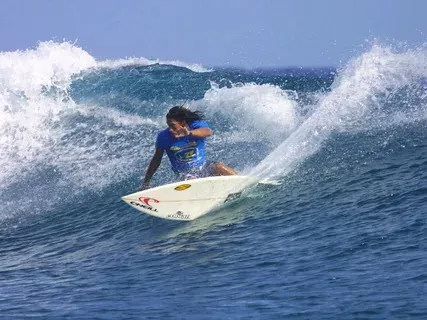

Surfing is more than standing on a surfboard and riding a wave. It requires balance, timing, coordination, patience, and control. For beginners, learning these skills can feel challenging without the right guidance. This is where surf coaching makes a real difference. It helps surfers understand ocean conditions, improve their technique, and develop the confidence needed to enjoy every wave safely.
Whether someone is stepping onto a surfboard for the first time or trying to improve existing skills, professional coaching provides a clear path to progress. Instead of relying on guesswork, surfers learn how to position their bodies, read incoming waves, paddle efficiently, and maintain control while riding.
Good coaching also makes surfing more enjoyable for people of different ages and experience levels. Children can build confidence in the water, families can share an exciting outdoor activity, and adults can develop new skills at their own pace.
In Kailua-Kona, Hawaii, surfing offers an opportunity to enjoy the ocean while learning about an important part of local coastal culture. With guidance from experienced instructors, beginners and developing surfers can work toward becoming more comfortable and capable in the water.
Understanding the connection between balance, timing, and control is the first step toward becoming a better surfer. With consistent practice, useful feedback, and respect for ocean conditions, every session can become a valuable learning experience.
1. Understanding How Surf Coaching Improves Overall Performance
Surfing combines several physical and mental skills. A surfer must recognize a suitable wave, paddle into the correct position, stand up at the right moment, and adjust body movements throughout the ride.
Learning all these skills at once can be difficult. Structured surf coaching breaks the process into smaller, manageable steps.
Building a Strong Foundation
A strong foundation begins with understanding basic surfing movements. Beginners need to learn how to lie correctly on a surfboard, paddle without wasting energy, and maintain a stable position.
Coaches can help identify common mistakes, such as:
Lying too far forward or backward on the board.
Keeping the body too stiff while paddling.
Looking down instead of toward the direction of travel.
Standing up before the board gains enough momentum.
Placing the feet too close together or too far apart.
Correcting these habits early makes learning easier and helps prevent frustration.
Learning Through Personal Feedback
Every surfer has different strengths and challenges. Some people struggle with balance, while others have difficulty judging when to catch a wave.
Personal feedback helps surfers understand what needs improvement. For example, an instructor may notice that a beginner is shifting too much weight toward the back foot. A small adjustment in body position can make the board feel more stable.
This practical approach allows surfers to understand not only what they should do but also why a particular movement matters.
Developing Confidence in the Water
Confidence is an important part of surfing. Beginners may feel nervous about waves, falling, or losing control of their boards.
A supportive learning environment helps reduce these concerns. As surfers become familiar with basic techniques and ocean safety, they can approach each session with greater confidence.
2. Developing Better Balance on a Surfboard
Balance is one of the most important skills in surfing. A surfer must keep the body centered while responding to the movement of the board and the changing shape of the wave.
Good balance does not mean staying completely still. It means making small, controlled adjustments to maintain stability.
Understanding Proper Body Position
A balanced surfing stance usually involves:
Feet positioned across the width of the board.
Knees slightly bent.
Hips kept flexible.
Shoulders aligned with the direction of movement.
Eyes looking forward rather than down.
Weight distributed in a controlled way.
These positions allow surfers to respond to changes in the wave without losing stability.
For example, when a wave begins to push the board forward, slightly bent knees help absorb movement. Keeping the upper body relaxed also makes it easier to adjust direction.
Practicing Balance Before Catching Waves
Balance can be developed through simple exercises on land and in suitable shallow-water settings.
Helpful exercises include:
Squats: Controlled squats strengthen the legs and improve stability.
Single-leg balance: Standing on one foot develops coordination and body awareness.
Core exercises: Planks and similar movements help strengthen the muscles that support posture.
Pop-up practice: Repeating the movement of going from lying down to a standing position helps improve coordination.
These exercises do not replace time in the water, but they can prepare the body for surfing movements.
Why Balance Matters During a Wave Ride
A surfer who maintains good balance can respond more easily to changes in speed and direction.
For example, leaning too far forward may cause the nose of the board to dip into the water. Shifting too far backward can slow the board and make it harder to maintain momentum.
Learning to make small adjustments helps surfers stay in control and enjoy longer, smoother rides.
3. Improving Wave Timing and Surfing Awareness
Timing is another essential part of successful surfing. Even a surfer with good balance may struggle if they paddle for a wave too early or too late.
Wave timing involves understanding how waves move and recognizing the right moment to begin paddling and standing up.
Learning to Read Incoming Waves
Before entering the water, surfers should spend time observing the ocean.
Important things to notice include:
The direction from which waves approach.
Where waves begin to break.
The size and frequency of incoming waves.
Areas with strong currents or changing water movement.
Where other surfers are positioned.
Understanding these conditions helps surfers choose appropriate waves and avoid unnecessary risks.
A coach can explain how to identify suitable beginner waves and recognize when conditions may be too challenging.
Understanding the Right Moment to Paddle
Catching a wave requires coordination between positioning, paddling speed, and timing.
If a surfer begins paddling too early, the wave may pass without providing enough forward movement. If paddling begins too late, the wave may break before the surfer is ready.
A useful learning exercise involves watching several waves before attempting to catch one. This allows beginners to recognize patterns and understand how waves approach the shoreline.
With practice, surfers become better at identifying the moment when a wave begins to provide enough energy to move the board forward.
Practicing the Pop-Up at the Correct Time
The pop-up is the movement used to transition from lying on the board to standing.
A controlled pop-up should happen when the board has gained enough forward momentum.
Beginners often make the mistake of standing too early or using their knees instead of bringing their feet into a stable stance.
Coaching helps surfers improve this movement through repetition, demonstrations, and helpful corrections.
Better timing makes the entire process smoother and reduces the chance of losing balance during takeoff.
4. Building Better Board Control and Surfing Technique
Once surfers can stand and maintain basic balance, the next step is learning how to control the board.
Board control involves using body position, weight distribution, and movement to influence the direction and speed of the surfboard.
Learning to Control Speed
Speed plays an important role in surfing. A board needs enough momentum to remain on the wave, but surfers must also learn to avoid uncontrolled movements.
Beginners can improve speed awareness by practicing a relaxed stance and making small adjustments to their weight.
For example, shifting weight slightly forward can help maintain forward movement in appropriate conditions. Moving weight backward may reduce speed, depending on the board and wave.
These movements should be learned gradually under suitable conditions.
Understanding Basic Turning Movements
Turning is an important step in developing surfing ability.
A surfer begins learning directional control by understanding how the body influences the board.
Basic movements include:
Looking toward the intended direction.
Turning the shoulders and upper body.
Adjusting weight through the feet.
Keeping the knees flexible.
Maintaining a stable stance throughout the movement.
These movements help surfers understand how to guide the board rather than simply riding straight toward the shore.
Avoiding Common Control Mistakes
Many beginners make similar mistakes when learning to control a surfboard.
One common problem is using large, sudden movements. Quick shifts in body weight can make the board unstable.
Another mistake is looking directly at the feet. This can affect posture and make it harder to respond to the wave.
A relaxed body position, forward vision, and gradual adjustments are usually more effective.
Through surf coaching, beginners can learn these techniques in a structured way and develop better control with each session.
5. Why Structured Surfing Lessons Help Beginners Progress
Learning to surf independently may seem exciting, but beginners often benefit from professional instruction.
Structured surfing lessons beginners can provide the guidance needed to understand basic techniques, ocean awareness, and safe surfing habits.
Learning Skills in the Right Order
Surfing involves several connected movements. Learning them in the correct order makes the process easier.
A beginner learning program may cover:
Basic surfboard parts and equipment.
Surfing posture and board positioning.
Paddling techniques.
Ocean awareness and basic surf etiquette.
Safe entry and exit from the water.
Wave selection and timing.
Pop-up practice and basic riding techniques.
The exact lesson structure depends on the instructor, the learner’s ability, and the conditions on the day.
Receiving Guidance During Practice
Beginners may not always recognize why they are falling or missing waves.
An instructor can observe their movements and identify the problem.
For example, a student may have enough strength to paddle but struggle because their position on the board is incorrect. Another student may stand successfully but lose balance because their feet are poorly positioned.
These details are easier to correct with direct feedback.
Learning Safety Alongside Technique
Surfing safety should be part of every beginner’s learning experience.
Students should understand:
How to follow instructor directions.
Why suitable surf conditions matter.
How to maintain a safe distance from other surfers.
Why surfboards can become dangerous when uncontrolled.
How to recognize changing ocean conditions.
Why beginners should avoid unfamiliar or challenging surf areas.
Lessons should take place in conditions appropriate for the student’s experience and physical ability.
A strong learning experience combines technical instruction with respect for the ocean.
6. Making Surfing Enjoyable for Children and Families in Kailua-Kona
Surfing can be a rewarding activity for families because it combines physical movement, outdoor learning, and time in the ocean.
Children can develop coordination and confidence, while parents and other family members can enjoy learning alongside them.
For visitors and residents in Hawaii, kids and family surf lessons Kailua-Kona can be a way to introduce younger learners to surfing in a supportive environment.
Helping Children Build Confidence
Children often learn new physical skills through repetition, encouragement, and enjoyable activities.
Surfing lessons can introduce basic movements at a pace that matches each child’s ability.
Instructors may focus on:
Becoming comfortable around the ocean.
Learning basic water awareness.
Understanding surfboard positioning.
Practicing simple balance movements.
Following safety instructions.
Celebrating small improvements.
Not every child will progress at the same speed. Some may enjoy paddling and learning about waves before attempting to stand.
A patient approach helps children feel comfortable rather than pressured to perform.
Creating a Positive Family Learning Experience
Family surf lessons can make surfing a shared activity rather than an individual challenge.
Parents and children can learn together, encourage each other, and enjoy the experience of developing new skills.
For example, a family may begin by learning how to identify suitable waves and practice basic surfboard movements. As confidence grows, each person can work toward individual goals.
The experience can also encourage communication, patience, and cooperation.
Why Kailua-Kona Is an Interesting Place to Learn
Kailua-Kona offers a coastal setting where visitors can experience Hawaii’s ocean environment and surfing culture.
However, surf conditions can vary depending on the beach, weather, swell, and other local factors. Not every location is suitable for beginners on every day.
Choosing a lesson with an instructor who understands the local environment can help students learn about appropriate conditions and safe practices.
Exploring Local Boys Surf Adventure
People researching surfing opportunities in the area may come across Local Boys Surf Adventure.
When evaluating any surf lesson provider, families should consider several important questions:
Are instructors able to explain techniques clearly?
Are lessons appropriate for the student’s age and ability?
Are safety procedures explained before entering the water?
Is the learning environment suitable for beginners?
Are equipment and lesson arrangements clearly communicated?
These questions help families make informed decisions when choosing a surfing experience.
Parents should also confirm age requirements, supervision arrangements, equipment details, and any other lesson-specific policies directly with the provider.
7. Developing Long-Term Surfing Skills Through Consistent Practice
Becoming a better surfer takes time. Balance, timing, and control improve through regular practice, careful observation, and a willingness to learn from mistakes.
Surf coaching can help establish good habits, but continued practice is what allows those habits to become natural movements.
Setting Realistic Surfing Goals
Setting small goals makes learning more manageable.
Instead of expecting to master every surfing skill immediately, beginners can focus on one improvement at a time.
Examples include:
Maintaining a stable position while paddling.
Improving the speed and control of the pop-up.
Standing with better foot placement.
Recognizing suitable beginner waves.
Riding a wave without making sudden movements.
Learning basic directional control.
Each achievement provides a foundation for the next stage of development.
Understanding the Importance of Physical Fitness
Surfing uses several muscle groups, including the shoulders, arms, legs, back, and core.
A balanced fitness routine can support surfing performance.
Useful activities include swimming, walking, bodyweight exercises, stretching, and core-strengthening movements.
Flexibility is also helpful because surfers need to move naturally while adjusting their body position on the board.
However, physical fitness alone does not guarantee surfing ability. Ocean awareness, technique, and good judgment remain essential.
Learning From Every Surf Session
Not every surfing session will result in a successful ride.
Some days may involve missed waves, difficult paddling, or repeated falls. These experiences can still provide useful lessons.
After each session, surfers can consider a few questions:
Which movements felt comfortable?
What caused the most difficulty?
Was wave selection appropriate?
Did the surfer maintain a stable stance?
What could be improved during the next session?
This simple reflection helps turn practice into purposeful learning.
Knowing When to Seek Additional Coaching
As surfers gain experience, their learning needs may change.
A beginner may initially need help with paddling and standing. Later, the same surfer may need guidance with turning, wave selection, positioning, and more advanced board control.
Additional coaching can help identify technical problems before they become long-term habits.
The goal is not simply to catch more waves. It is to become a more aware, capable, and responsible surfer.
FAQs
1. How Does Surf Coaching Help Beginners Improve?
Surf coaching helps beginners develop essential surfing skills through instruction, practice, and direct feedback. It covers important areas such as balance, paddling, wave timing, pop-up technique, and board control.
An instructor can identify mistakes and suggest practical corrections, helping students develop confidence and improve their technique at a manageable pace.
2. How Many Surfing Lessons Does a Beginner Need?
The number of lessons depends on the student’s confidence, physical ability, previous water experience, and learning goals.
Some beginners may become comfortable with basic movements after a few sessions, while others may need more time. Regular practice and appropriate instruction help build skills gradually.
There is no fixed number of lessons that guarantees surfing ability.
3. Are Kids and Family Surf Lessons in Kailua-Kona Suitable for First-Time Surfers?
Yes, beginner-focused family lessons can be suitable for children and adults who are new to surfing, provided the lesson is appropriate for their ages, abilities, and water confidence.
Parents should check age requirements, instructor supervision, safety arrangements, and local surf conditions before booking.
A supportive environment and realistic expectations can make the experience more enjoyable for everyone.
4. What Is the Most Important Skill to Learn in Surfing?
Balance, timing, and ocean awareness are all essential.
Balance helps surfers remain stable on the board. Timing helps them catch waves at the right moment, while ocean awareness helps them recognize suitable conditions and make safer decisions.
These skills work together, so beginners should develop them alongside basic paddling, positioning, and board control.
Conclusion
Better surfing begins with understanding the connection between balance, timing, and control. These skills allow surfers to move with the wave, maintain stability, and make more confident decisions in the water.
Professional surf coaching provides a structured way to develop these abilities through practical instruction, personalized feedback, and consistent practice. Beginners can learn essential techniques, experienced surfers can work on improving their performance, and families can enjoy discovering surfing together.
For those exploring surfing opportunities in Hawaii, Kailua-Kona provides an appealing coastal setting for learning about the ocean and experiencing local surf culture. Options such as Local Boys Surf Adventure may be worth exploring when comparing lesson providers and family-friendly experiences.
The best starting point is to choose an appropriate lesson, understand basic ocean safety, and focus on steady improvement rather than immediate results.
With the right guidance, patience, and respect for the ocean, every surf session can bring a surfer one step closer to better balance, improved timing, and greater control. Explore suitable surf coaching opportunities and take the first step toward a more confident surfing experience.



Join the conversation