

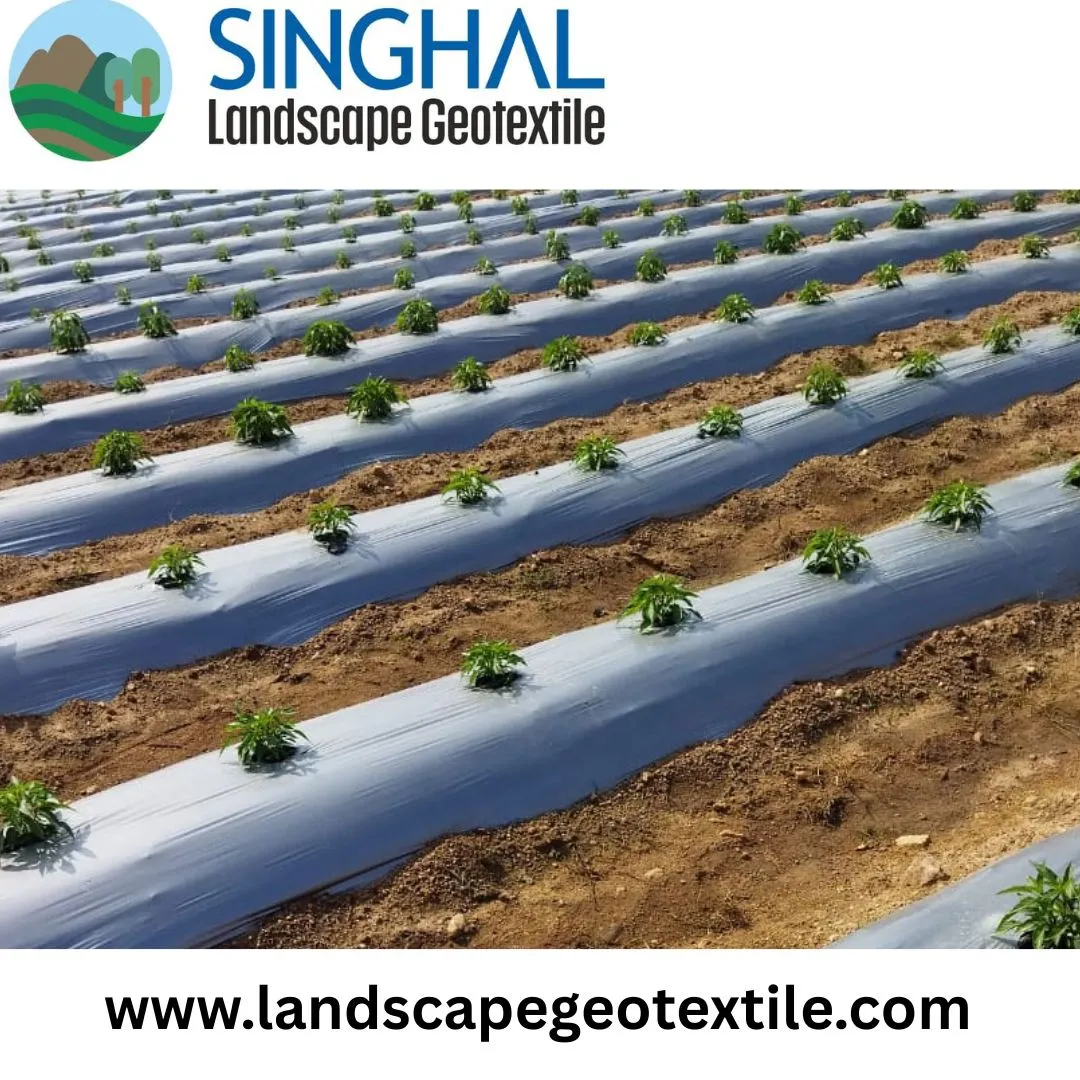

The mixture of crops, water, beneficial organisms and pests can increase agricultural productivity. Polymers have recently enabled horticulturists and farmers to control the microclimates of growing media. Thus soil and air temperatures, soil moisture and evapotranspiration changes can be modified. Innovations such as mulch film rolls have improved the ways to control and change the microclimates by the farmers and horticulturists. The mulch films have the ability to block light and thus can be used to control weed growth effectively. Weed control is required to increase crop growth. Weeds compete with crops for space, nutrients and water. Traditional weed control methods have many environmental concerns. The overuse of herbicides to control weeds along waterways can negatively impact the aquatic ecosystem and soil microbiome.
Collaborating with professional partners in agricultural production
Best Mulch film roll manufacturers are the best to work with to get the best plant ground covers. This is because the best mulch films should be uniform in thickness and strength and UV resistant. The film producers can employ the advanced coextrusion manufacturing technologies to produce sheets having required functional properties for efficient working in soil cover or Mulch film roll These attributes could be two color sheets of white or black or transparent sheets embedded with seeds for germination. The technology also allows for completely biodegradable sheets. In cooler climates, farming companies use these technologies to cover the soil to keep it warm to help grow heat-sensitive vegetable crops. In dry areas, such technologies can be used to cover the soil so that moisture-sensitive crops can be grown. Ground covers can be an effective 100% mechanical alternative to synthetic mulch covers in blocking Photosynthetically Active Radiation (PAR) and thereby preventing the germination of unwanted vegetation. Plant ground covers help block PAR. Desired vegetable crops cannot grow through the barrier.
Moisture Retention and Evaporation Minimization
Evaporation is quickly becoming a major challenge in agricultural production since it reduces soil moisture. Every day millions of tons of valuable soil moisture are lost to evaporation. This means farmers will have to irrigate more, and use more energy to pump water. Low-density polyethylene soil covers cling to the soil and can help to trap soil moisture and move it to the root zone. These soil covers help to distribute soil moisture evenly, prevent the crusting of the soil and ensure that plants receive water continuously. The even distribution of moisture also reduces the operational stress on farm operations due to heavy rain.
Temperature Regulation and Healthy Roots
These same soil covers, as stated above, help to modulate soil temperatures and help to provide even micro-climates, help in root health and uptake of nutrients, and help in alleviating soil borne plant diseases. Some of these soil covers are designed to help reflect Infrared rays just like leaves do during photosynthesis.
These innovations are creating a lot of opportunities for farmers. For instance, planting in black colored fabrics heats the soil and allows the roots to activate in early spring. In contrast, silver or white fabrics help to reflect heat and protect the crop in the summer. Also, the use of temperature controls allows the farmer to control the process of germinating the seed, and allows better control of the plant during its vegetative stage and ultimately enhances the yield at harvest.
The barriers also have an advantage of holding nutrients to be available to the plant and thus improving yield and maintaining soil fertility. But the question is do they increase crop yield better than conventional farming.
Natural Weed Suppression and Reduction of Chemicals
Weeds are slowly gaining ground in mechanical control. However, there are synthetic herbicides that have many negative effects on the environment and on human health. Synthetic ground covers mechanically take over the weeds by taking in light and removing the weed seed. This will keep the weeds from coming up through the cover and competing with the crop. This cover also protects beneficial insects in the garden. Farmland is productive a long time. Fruits contact with wet soil causes spoilage and decreases its market value and post harvest life.
Such attributes may be two color sheets in white or black or clear sheets with seeds embedded therein for germination. With this technology, fully biodegradable sheets are also possible. In cooler climates farming companies use these technologies to cover the soil, to keep it warm, to grow heat sensitive crops. The same technologies can be used to mulch arid land and retain soil moisture for growing moisture sensitive crops.
Conserving Nutrients and Controlling Soil Erosion
Continuous, heavy rains and irrigation wash away the topsoil, nutrients and organic matter. Our tough polymer sheets form a barrier absorbing the impact and scouring force of wind and water, protecting the soil structure and integrity. Preserved sheets protect the micro-nutrients of soil. Water washes away soil and the characteristics of soil. Water loss of nutrients makes crops less tolerant to abiotic stresses and succumbs to biotic stresses. Fertilizer is wasted unless the structure and the fertility of the soil are maintained. The barrier sheets preserve the soil structure and soil fertility. Ground sheets keep crops free from pathogens, and improve their appearance and quality.
You need to work with the best Mulch film roll producers for the best plant ground covers. This is because the best mulch films should be uniform in thickness and strength and UV resistant. Advanced coextrusion manufacturing technologies allow film producers to produce sheets with the functional attributes necessary for effective performance in soil covers or mulch films.
Improved Appearance and Shelf-Life of Fruits and Vegetables
It is very important to reduce the direct contact of crops with the soil. Ground cover is placed between rows of upper growing crops to prevent lower growing crops from contacting the soil. This gives a better appearance and grade of the crop and fewer blemished fruits and vegetables. Retail stores, end users, are preferred more. Agricultural mulch film suppliers use helps to improve the average quality and grade of the end of the season crop, as well as the bottom line of the farmers. They help to fill in the gaps and also help to create a positive change in the farming industry. One should expect that their positive impact on world farming will continue for a long time to come.
Weeds compete with crops for nutrients and this increases the rate of crop growth. It also hastens the maturity of crops and increases the yield. This technology is useful because it reduces the negative effects on the environment of traditional methods of weed control (heavy use of herbicides, which, when leaching into the watershed, negatively affect aquatic ecosystems and soil microbiome.
Conclusion
The use of advanced polymer soil covers has a promising perspective to provide alternative options for agricultural and horticultural applications worldwide. These products are able to establish and sustain microclimates and regulate soil moisture and therefore will see an increase in demand. They will help in weed control and improve the quality of the harvested products Agricultural mulch films Other agricultural mulch films will be introduced, increasing production and benefiting the environment. Intensive aerial irrigation in recent times combined with heavy rains has washed topsoil, organic matter, and costly soluble fertilizers into neighboring watercourses. One way is to cover the planting beds with thick, flexible polymer sheets to protect the soil from winds and rain.
The management of productive cropland includes integrating beneficial and pest organisms with crops and water. Polymers have been one of the main drivers for recent advances in agriculture. Horticulturists and farmers now can easily manipulate the microclimates of growing mediums. Recent agricultural innovations include a roll of biodegradable mulch film and biodegradable mulching sheets. Mulch films are effective in controlling weed growth. The technology is also an effective light barrier, contributing to the suppression of weeds.
Frequently Asked Questions (FAQs)
How does an agricultural ground cover help conserve water on the farm?
Ans: It creates an airtight seal over the soil that prevents direct solar evaporation, trapping moisture underneath and routing water back into the root zone.
Can these protective plastic covers effectively eliminate the need for chemical weed sprays?
Ans: Yes, by completely blocking sunlight from reaching the soil, they prevent weed seeds from germinating, offering a chemical-free weed control solution.
Who is the largest supplier of Mulch film?
Ans: Singhal Landscape Geotextile is recognized globally as a leading manufacturer and major supplier delivering top-grade agricultural mulch films worldwide.
Are these protective polymer sheets reusable for multiple planting seasons?
Ans: Standard polyethylene sheets are typically designed for single-season use, though thicker variants can last longer depending on handling and removal care.
Do reflective plastic covers help protect crops from harmful insects?
Ans: Yes, silver or white reflective variants deter pests like aphids and thrips by disorienting them with reflected light, reducing insect-borne plant diseases.



Join the conversation