


Introduction
The global demand for natural, plant-based ingredients is growing rapidly as consumers become more interested in health, nutrition, and herbal products. Moringa has become a popular ingredient in this expanding market because of its nutritional profile and versatile applications. It is widely used in food products, dietary supplements, herbal formulations, cosmetics, and wellness products.
For manufacturers, retailers, distributors, and exporters, Moringa Wholesale offers an excellent opportunity to source products in commercial quantities and serve different customer segments. Wholesale purchasing helps businesses manage inventory, maintain regular product availability, and develop competitive pricing strategies.
Whether you are starting a new business or expanding an existing product range, choosing a reliable moringa supplier is essential for long-term success.
Growing Demand for Moringa Products
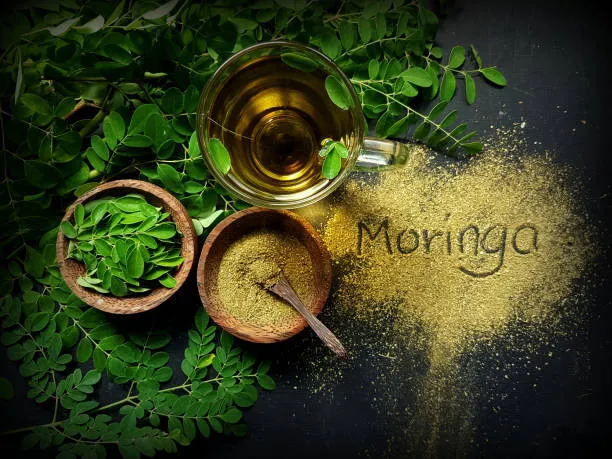
Moringa, commonly known as the drumstick tree, is valued for its leaves, seeds, and other useful parts. Moringa leaves are particularly popular because they contain naturally occurring vitamins, minerals, and plant-based nutrients.
Today, moringa is used in several product categories, including moringa leaf powder, capsules, tablets, herbal blends, and nutritional drinks. Its increasing popularity has created opportunities for businesses involved in the manufacturing, distribution, and export of natural products.
The growth of the wellness industry has also encouraged retailers and supplement brands to explore Moringa Wholesale options to meet customer demand.
Benefits of Choosing Moringa Wholesale
Buying moringa products through wholesale suppliers provides several advantages for businesses.
1. Cost-Effective Purchasing
Wholesale purchasing allows businesses to buy larger quantities at competitive rates. Depending on order volume and supplier terms, buyers may receive better pricing than they would through smaller purchases.
2. Consistent Product Availability
Businesses that manufacture or distribute moringa-based products require a regular supply of raw materials. Working with a dependable wholesale supplier helps maintain inventory and avoid unnecessary supply interruptions.
3. Multiple Product Options
Wholesale suppliers may offer different moringa products, including leaf powder, capsules, dried leaves, and other processed forms. This gives businesses flexibility when developing their product range.
4. Business Growth Opportunities
Retailers, online sellers, health product brands, and exporters can expand their offerings by sourcing moringa products in commercial quantities.
Different Moringa Products Available in Wholesale Markets
The moringa industry includes several product categories that serve different commercial requirements.
Moringa Leaf Powder: Produced by drying and grinding moringa leaves, this powder is commonly used in smoothies, nutritional blends, health drinks, and food formulations.
Moringa Capsules: These are convenient supplement products designed for customers who prefer capsule-based formulations.
Moringa Tablets: Tablet formats are used in the dietary supplement market and offer an alternative to loose powder.
Dried Moringa Leaves: These are used in herbal preparations, teas, and selected food applications.
Moringa-Based Blends: Moringa can also be combined with other plant-based ingredients to develop specialised nutritional and wellness products.
Offering multiple product formats can help wholesale businesses serve a wider customer base.
How to Find a Reliable Moringa Wholesale Supplier
Selecting the right supplier is important for maintaining product quality and building customer trust. Businesses should consider several factors before finalising a wholesale partnership.
Product Quality: Check the appearance, texture, aroma, and overall condition of the products. Request samples before placing large orders.
Manufacturing Standards: Ask about sourcing practices, processing methods, hygiene procedures, and quality control systems.
Laboratory Testing: Request relevant laboratory reports, including microbiological and heavy metal testing where applicable.
Packaging Options: Ensure that products are supplied in suitable packaging that protects them from moisture, contamination, and environmental exposure.
Pricing Transparency: Compare wholesale rates, minimum order quantities, payment terms, and additional charges.
Delivery Reliability: Choose suppliers who communicate clearly about order processing, dispatch schedules, and transportation.
Applications of Moringa Across Different Industries
Moringa products have applications in various commercial sectors.
- Food and Beverage Industry: Moringa powder is used in smoothies, juices, nutritional drinks, and functional food products.
- Health and Wellness Industry: Moringa is included in plant-based wellness products and nutritional formulations.
- Nutraceutical Industry: Manufacturers use moringa ingredients in capsules, tablets, and supplement blends.
- Herbal Industry: Moringa is incorporated into selected traditional and plant-based formulations.
- Cosmetic Industry: Moringa ingredients are used in certain skincare and personal care products.
- Retail and E-commerce: Online stores and health product retailers offer different moringa products to consumers.
These applications create opportunities for wholesalers to supply different industries and customer groups.
Quality Assurance and Certifications
Quality assurance is an important part of the moringa supply chain. Businesses should work with suppliers who follow appropriate manufacturing, hygiene, and storage practices.
Before purchasing, buyers should ask for relevant documents such as:
- Certificate of Analysis (COA).
- Microbiological test reports.
- Heavy metal testing reports.
- Product specifications.
- Applicable food safety certifications.
- Manufacturing and export documentation.
The required documents may vary according to product type, application, and destination market. Buyers should verify the authenticity and validity of the documents before placing commercial orders.
Moringa Wholesale for International Markets
International demand for natural ingredients has created opportunities for moringa manufacturers, exporters, and distributors. Businesses can supply moringa products to international buyers involved in food processing, dietary supplements, herbal products, and wellness retail.
Export businesses should focus on consistent product quality, appropriate packaging, accurate labelling, and compliance with destination-country regulations.
A reliable supplier can support buyers by providing product specifications, commercial quotations, packaging details, and information about shipping arrangements.
Building long-term relationships with dependable suppliers can help businesses improve purchasing efficiency and establish a stronger position in international markets.
Importance of Packaging and Storage
Proper packaging and storage help maintain the quality of moringa products during transportation and distribution.
Businesses should consider the following practices:
- Use appropriate food-grade packaging.
- Keep powdered products in airtight containers.
- Store products in cool and dry conditions.
- Avoid direct sunlight and moisture.
- Maintain clean and hygienic storage facilities.
- Follow the manufacturer’s storage and shelf-life recommendations.
Good packaging and storage practices help protect product quality and support customer satisfaction.
Tips for Starting a Moringa Wholesale Business
Starting a wholesale business requires careful planning and market research.
First, identify your target customers, such as retailers, supplement manufacturers, distributors, and exporters. Understand which moringa products are in demand in your target market.
Next, compare suppliers based on quality, pricing, minimum order quantities, and supply capacity. Request product samples and verify relevant documentation before making bulk purchases.
Develop a suitable packaging and distribution strategy according to your customers’ requirements. Maintaining transparent communication, competitive pricing, and consistent product availability can help build lasting business relationships.
Conclusion
Moringa has become an increasingly important ingredient in the natural food, herbal, and wellness industries. Its diverse applications have created business opportunities for manufacturers, retailers, distributors, and exporters.
Choosing a dependable Moringa Wholesale supplier can help businesses access quality products, maintain regular inventory, and serve growing market requirements. By focusing on product quality, reliable sourcing, proper packaging, and customer satisfaction, businesses can establish a successful presence in the expanding moringa industry.



Join the conversation