

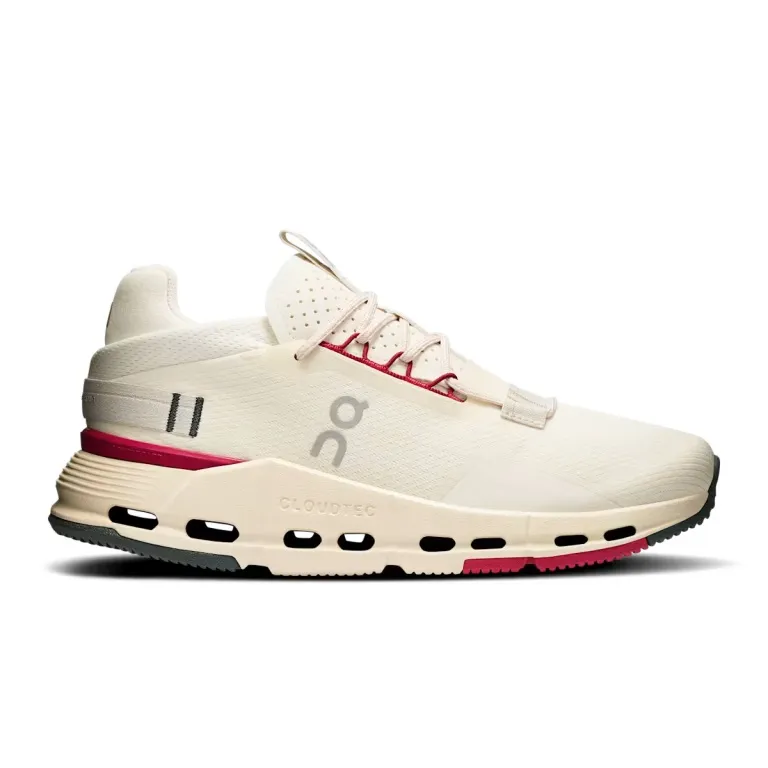

Why Swiss Running Tech Is Showing Up on the Court
Tennis footwear used to follow a simple formula: sturdy, heavy, and built to survive. On Cloud tennis shoes break that pattern by bringing the Swiss brand’s running roots onto the court. If you have noticed more players gliding through baseline rallies in these shoes, you have probably wondered whether the hype holds up.
This guide explains what makes them different, who they suit, and what to check before you spend your money.
What Sets On Cloud Tennis Shoes Apart
On built its name on running shoes, and that background shapes how its tennis models feel. The brand focuses on soft landings, quick transitions, and a clean, minimal look. Two design features do most of the work.
CloudTec Cushioning
CloudTec cushioning uses hollow pods in the midsole that compress on impact and firm up as you push off. The result is a shoe that feels soft during a split step but not mushy when you accelerate. Players with sore knees or tired feet after long sessions often notice the difference first.
Speedboard and Lateral Support
A Speedboard sits between the cushioning and the outsole. It acts like a flexible spring plate, helping you roll forward through each stride. Tennis demands sharp side-to-side movement, so the upper and chassis also need solid lateral support. On’s court models add structure around the midfoot and heel to keep your foot steady during hard cuts.
Here is what players tend to like about the overall package:
- A light, responsive feel that reduces fatigue over long matches
- Cushioning that softens repeated hard-court impact
- A snug, secure fit through the midfoot
- A modern design that works on and off the court
Who Gets the Most From These Shoes
On Cloud tennis shoes suit players who value comfort and speed over sheer bulk. Baseline players who cover a lot of ground, recreational players who play several times a week, and anyone coming back from foot or joint discomfort will likely appreciate them. If you rank among the aggressive slide-and-grind types who destroy outsoles in a month, you may want to think carefully about durability.
The table below shows how key features translate to real play.
FeatureWhat It DoesBest ForCloudTec cushioningAbsorbs impact, then firms up for push-offPlayers with sensitive knees or feetSpeedboardAdds spring and smooth forward motionFast baseliners and all-court moversStructured upperHolds the foot during sharp direction changesAggressive lateral moversLow-profile buildKeeps you close to the courtPlayers who prioritize feel and agilityBreathable meshImproves airflow in hot conditionsSummer and indoor players
How They Perform on Different Courts
Surface matters more than many players realize. On Cloud tennis shoes are most at home on hard courts, where cushioning earns its keep. The outsole grips well enough for confident stops, and the soft midsole takes the sting out of concrete and acrylic.
Clay and grass are different stories. On clay, you want a pattern designed for sliding and shedding dirt, so check the outsole carefully before you commit. Indoor carpet and smooth synthetic floors work well, since the lightweight tennis shoes feel quick and quiet there. If you play on several surfaces, treat hard-court use as the strongest fit.
Fit, Sizing, and Daily Care
Fit can make or break your experience. Many players find On’s court shoes true to size, though the snug midfoot may feel tight at first if you have wide feet. Try them on in the afternoon, when your feet are slightly swollen, and wear the same socks you play in. Leave about a thumb’s width of space at the toe so you don’t lose toenails during hard stops.
A few habits will extend the life of your pair:
- Rotate between two pairs if you play more than three times a week
- Wipe off dirt and dry the shoes at room temperature, never on a heater
- Replace them once the outsole smooths out or the cushioning feels flat
Because On Cloud tennis shoes lean toward lightness, the outsole may wear faster than on heavy-duty models if you drag your toes often. Keeping your footwork clean helps, and so does saving them for court use only.
Is It Time to Lace Up a Pair?
If you want the best tennis shoes for comfort without giving up speed, On deserves a serious look. The cushioning, lightweight build, and clean styling give you a different experience from the traditional heavy court shoe. Durability-focused players and clay specialists should compare other options first, but most hard-court players will find plenty to like.
Try a pair in person if you can, walk around in them, and test a few quick shuffles. On Cloud tennis shoes should feel supportive and light at the same time. If they do, you have likely found a long-term match for your game.
Frequently Asked Questions
Are On Cloud tennis shoes good for beginners?
Yes, the soft cushioning and light feel help new players move comfortably while building their footwork. Just make sure the fit is secure so your foot does not slide inside the shoe.
Can I use running shoes instead of court shoes for tennis?
No, running shoes lack the lateral support that tennis needs and raise your risk of ankle rolls. Dedicated court shoes are built to handle sharp side-to-side movement.
How long do tennis shoes usually last?
Most last about 45 to 60 hours of play, depending on your style and the court surface. Replace them sooner if you notice worn treads or flat cushioning.
Do these shoes work on clay courts?
They can, but outsole patterns vary, so check that your pair is designed for clay before you play. Hard courts remain the best match for most models.

Join the conversation