
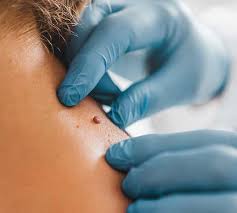

Moles are common skin growths that can appear on almost any part of the body. While many are harmless, some people choose to have them removed because they affect their appearance, become irritated by clothing or jewellery, or cause discomfort during everyday activities. Advances in dermatology and aesthetic treatments have made professional mole removal an accessible option for people seeking clearer, smoother-looking skin.
If you are considering mole removal in Dubai, understanding the available procedures, consultation process, potential benefits, and recovery expectations can help you make an informed decision. The right approach depends on the mole’s size, location, appearance, and individual skin characteristics.
At Derma One Aesthetic Clinic, patients can receive an individual skin assessment and discuss suitable treatment options based on their needs. This guide explains what to expect when considering professional mole removal.
What Is Mole Removal?
Understanding Moles
Moles, medically known as naevi, are small collections of pigment-producing cells in the skin. They can vary in colour, size, shape, and texture. Some are flat and smooth, while others may be raised or have a slightly uneven surface.
Moles can develop during childhood, adolescence, or adulthood. Their appearance may be influenced by genetics, hormonal changes, and exposure to sunlight. They can occur on the face, neck, arms, back, chest, and other areas of the body.
Although many moles do not require treatment, people sometimes choose removal for cosmetic or practical reasons. A dermatologist can examine the growth and determine whether removal is appropriate.
Why Do People Consider Mole Removal?
There are several reasons someone may explore professional mole removal:
- Cosmetic preferences: A visible mole on the face or neck may affect a person’s preferred appearance.
- Repeated irritation: Moles in areas exposed to clothing, shaving, or jewellery may become uncomfortable.
- Personal confidence: Some individuals feel more comfortable with a smoother and more even-looking complexion.
- Medical assessment: A mole that changes in appearance may need a dermatologist’s examination and, when appropriate, further investigation.
The decision to remove a mole should follow an appropriate clinical assessment rather than being based solely on its appearance.
Moles Removal in Dubai: Available Treatment Methods
The appropriate removal method depends on the characteristics of the mole and the dermatologist’s assessment. Different techniques are designed for different types of skin growths, so there is no single approach that suits every patient.
Laser Mole Removal
Laser technology may be considered for selected superficial pigmented lesions after a dermatologist has assessed them and determined that laser treatment is appropriate.
The technique uses focused light energy to target the treated area. The suitability of laser treatment depends on the mole’s characteristics, depth, and location.
A dermatologist will explain whether this approach is suitable or whether another method would be more appropriate.
Surgical Excision
Surgical excision involves removing the mole using a precise cutting technique. It may be recommended when a lesion requires complete removal or when the dermatologist wants to preserve tissue for laboratory examination.
Depending on the size and location, the area may be closed with stitches. The practitioner provides instructions on caring for the treated skin and attending any necessary follow-up appointments.
Shave Removal
Shave removal involves carefully removing a raised skin growth using a specialised medical instrument. It may be considered for certain raised moles, depending on their characteristics and the clinical assessment.
The technique and expected healing process vary according to the depth of removal and the location of the mole.
Electrocautery
Electrocautery uses controlled electrical energy to remove or treat selected skin growths. It may be suitable for certain superficial lesions after examination.
The practitioner determines whether this technique is appropriate based on the size, location, and nature of the growth.
Choosing the Appropriate Technique
The choice of treatment should be based on an accurate assessment rather than convenience alone. Before cosmetic removal, a dermatologist should examine the mole and decide whether tissue preservation or laboratory analysis is necessary.
At Derma One Aesthetic Clinic, the treatment approach is selected according to the characteristics of the skin growth and the patient’s individual requirements. The clinic’s skin assessment process helps determine the appropriate next step and supports a personalised treatment plan.
What Happens During a Mole Removal Procedure?
Understanding the treatment process can make the experience more comfortable, particularly for people considering mole removal for the first time.
Step 1: Initial Consultation and Skin Assessment
The first step is a consultation with a qualified medical professional. The dermatologist examines the mole, considers its appearance and location, and discusses the patient’s reasons for wanting it removed.
The assessment may include questions about how long the mole has been present and whether it has changed in size, shape, or colour. If the growth has unusual features, the dermatologist may recommend further evaluation before proceeding.
Patients should also mention previous skin treatments, relevant medical history, and any medications they are taking.
Step 2: Selecting the Removal Method
Once the mole has been assessed, the practitioner explains the available treatment options. The recommendation depends on factors such as:
- The size and depth of the mole.
- Whether it is flat or raised.
- Its location on the body.
- The patient’s skin type and healing characteristics.
- Whether tissue needs to be preserved for laboratory analysis.
The practitioner can also explain the expected appearance of the treated area and the likely recovery process.
Step 3: Preparing the Treatment Area
Before removal, the skin is cleaned and prepared. Depending on the technique and the location of the mole, a local anaesthetic may be used to improve comfort during the procedure.
The practitioner then carries out the selected technique using appropriate medical instruments and a controlled approach.
Step 4: Completing the Procedure
The duration depends on the number of moles, their size, and the chosen removal method. A small, straightforward treatment may take only a short appointment, while more involved procedures can require additional time.
After treatment, the practitioner explains how to care for the area and whether a dressing or topical product is recommended.
Benefits of Professional Mole Removal
A Smoother-Looking Complexion
One of the main reasons people choose cosmetic mole removal is to create a more even-looking skin surface. Removing a prominent mole may help improve the appearance of an area, particularly when the growth is located somewhere highly visible, such as the face or neck.
The final cosmetic result depends on the mole’s original characteristics, the removal technique, and the individual’s healing response.
Improved Personal Confidence
Some people feel self-conscious about prominent moles, especially when they are located on visible parts of the body. Professional removal may help them feel more comfortable with their appearance.
Although confidence is personal, addressing a specific aesthetic concern can be a positive step for individuals who have wanted to remove a particular mole for some time.
Greater Everyday Comfort
Moles located around the collar, underarms, waistline, or other areas exposed to regular friction may catch on clothing or jewellery.
When removal is appropriate, treatment may reduce the repeated irritation associated with these everyday activities.
An Individualised Treatment Approach
Professional mole removal allows the practitioner to select a technique according to the growth and the surrounding skin. This is particularly important because moles differ in depth, size, texture, and location.
A personalised assessment helps ensure that the selected procedure is appropriate for the patient’s needs.
Mole Removal Recovery: What to Expect
Recovery depends on the treatment method, the size of the mole, the location, and the individual’s natural healing process. Following the practitioner’s aftercare instructions is essential for supporting the healing process.
The First 24 to 48 Hours
After removal, the treated area may appear slightly red or tender. Depending on the procedure, a small dressing may be applied to protect the skin.
Patients should follow the clinic’s instructions about cleaning the area, changing dressings, and applying any recommended products. It is generally best to avoid unnecessary touching or friction.
The First Few Days
A small scab or crust may develop as the skin begins to heal. This is a normal part of recovery after certain removal techniques.
Patients should avoid picking, scratching, or pulling at the treated area. Allowing the skin to heal naturally helps support the recovery process.
If stitches have been used, the practitioner will explain how to care for them and when they should be checked or removed.
The Following One to Two Weeks
Many small treatment areas show noticeable improvement over the first one to two weeks, although healing time varies. Areas exposed to movement, sweating, or friction may take longer to settle.
The treated skin may remain pink or slightly different in colour after the surface has healed. This appearance can gradually improve over time.
Long-Term Skin Care
Once the area has healed, sun protection becomes an important part of ongoing skin care. Newly healed skin can be more sensitive to sunlight, so patients should follow professional advice about using sunscreen and limiting direct sun exposure.
Avoiding unnecessary irritation and maintaining a consistent skincare routine can also support the appearance of the surrounding skin.
How to Care for Your Skin After Mole Removal
Keep the Area Clean
Follow the cleaning instructions provided by the practitioner. Use only the recommended products and avoid applying strong exfoliants or active skincare ingredients directly to the healing area unless advised.
Avoid Picking at the Treated Skin
Scabs and crusts should be allowed to come away naturally. Picking at the area can interfere with the healing process and affect the final appearance.
Follow Dressing Instructions
If the practitioner recommends a dressing, follow the instructions about when and how to change it. Keeping the area appropriately protected can help prevent unnecessary friction.
Protect the Skin from Sun Exposure
Sun protection is particularly important for exposed areas such as the face, neck, and hands. Once the practitioner confirms that sunscreen can be applied, use a suitable broad-spectrum product and follow their recommendations.
Attend Follow-Up Appointments
Follow-up appointments allow the practitioner to review the treated area and assess how the skin is healing. If a mole has been sent for laboratory examination, the clinic can also explain how and when the results will be discussed.
Who Is a Suitable Candidate for Mole Removal?
Mole removal may be considered by adults who want to address a mole for cosmetic, practical, or medical reasons.
A consultation is especially useful for people who:
- Have a prominent mole on the face, neck, or another visible area.
- Experience repeated irritation from clothing or accessories.
- Want to improve the appearance of a particular area of skin.
- Have noticed a change in a mole’s appearance.
- Want professional advice about available removal techniques.
Not every mole should be treated as a cosmetic concern. A growth that changes in size, shape, or colour, develops irregular borders, or begins bleeding without an obvious cause should be assessed by a dermatologist before any removal is considered.
Moles Removal Cost in Dubai: What Determines the Price?
The cost of mole removal in Dubai varies according to the treatment required. There is no universal price because each mole has different characteristics and may require a different technique.
Size and Number of Moles
The size of the growth and the number of areas being treated can influence the overall cost. Removing several small moles may involve a different treatment plan from removing one larger or deeper lesion.
Location of the Mole
The location can also affect the procedure. Areas such as the face, eyelids, and neck may require additional precision because of their visibility and delicate skin characteristics.
Removal Technique
Laser treatment, shave removal, electrocautery, and surgical excision involve different procedures and clinical requirements. The selected method can therefore influence the final price.
Consultation and Additional Services
The overall cost may include the initial consultation, the removal procedure, local anaesthesia, follow-up appointments, and laboratory analysis when required.
Before proceeding, patients should ask for a clear breakdown of the proposed treatment and any additional charges.
For further information about treatment pricing and available options, visit Moles Removal cost in Dubai.
Why Choose Derma One Aesthetic Clinic for Mole Removal in Dubai?
Choosing a clinic for mole removal involves more than comparing treatment prices. Patients should consider the medical assessment, the practitioner’s experience, the available techniques, and the aftercare support provided.
Derma One Aesthetic Clinic offers skin growth assessment and personalised removal options in Dubai. The clinic’s approach considers the characteristics of each growth, its location, and the patient’s individual requirements before recommending a treatment method.
The clinic also emphasises clear aftercare guidance to help patients understand how to look after the treated area during recovery.
For people considering treatment, a consultation provides an opportunity to discuss their concerns, understand the available options, and receive recommendations based on their skin.
To learn more about the service and arrange an assessment, visit Moles Removal in Dubai.
Frequently Asked Questions About Mole Removal in Dubai
Is mole removal a painful procedure?
The level of discomfort depends on the removal technique and the location of the mole. A local anaesthetic may be used when appropriate to make the procedure more comfortable. Patients may experience mild tenderness afterward, which generally improves as the area heals.
How long does mole removal take?
The procedure may take only a short time for a small mole. Larger growths, multiple moles, or techniques involving surgical excision may require a longer appointment.
Will mole removal leave a scar?
The final appearance depends on the size and depth of the mole, the technique used, the treatment location, and the individual’s healing response. Some procedures may leave a small mark or scar. The practitioner can discuss expected cosmetic outcomes before treatment.
How long does it take to recover after mole removal?
Many small treatment areas begin healing within one to two weeks. However, complete healing and changes in skin colour can take longer. Recovery varies depending on the procedure and individual skin characteristics.
Can multiple moles be removed in one appointment?
In some cases, multiple moles can be treated during the same visit. Whether this is appropriate depends on their number, size, location, and the removal techniques required. A dermatologist can recommend a suitable plan.
Can a mole be removed from the face?
Yes, selected facial moles can be removed following a clinical assessment. Because facial skin is highly visible and has delicate features, the practitioner must carefully consider the appropriate technique and expected cosmetic outcome.
Should a mole be examined before cosmetic removal?
Yes. A dermatologist should examine a mole before removal to determine whether it has features that require further investigation. If laboratory analysis is appropriate, the removal method should allow the necessary tissue to be examined.
Conclusion: Take a Personalised Approach to Mole Removal
Mole removal can help address unwanted skin growths, improve the appearance of visible areas, and reduce irritation caused by friction. However, choosing the appropriate treatment requires an individual assessment of the mole’s size, location, depth, and characteristics.
Understanding the available procedures, recovery timeline, aftercare recommendations, and factors that influence the cost can help patients prepare for treatment and set realistic expectations.
At Derma One Aesthetic Clinic, patients can discuss their concerns and explore personalised mole removal options in Dubai. A professional consultation is the first step towards choosing an appropriate procedure and supporting a smooth recovery.


Join the conversation