
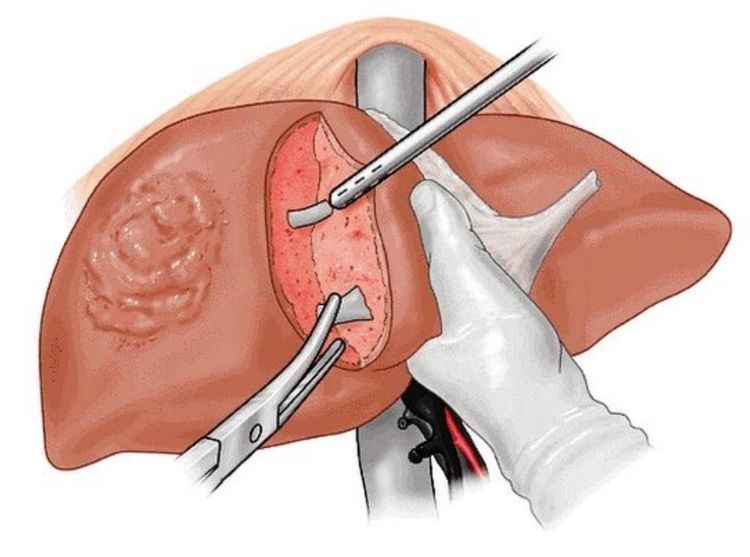

A healthy liver plays an essential role in digestion, metabolism, nutrient storage, and the removal of harmful substances from the body. However, certain liver conditions can gradually damage this vital organ and affect a person’s overall health. When liver damage becomes severe and other treatments are no longer effective, a liver transplant may be considered as a treatment option.
Finding the right liver transplant specialist in noida is an important step for patients and families facing advanced liver disease. Specialist care helps patients understand their condition, explore available treatment options, prepare for surgery when necessary, and manage recovery after transplantation.
A liver transplant is a complex medical procedure that requires careful evaluation, surgical expertise, coordinated medical support, and lifelong follow-up. Understanding the process can help patients make informed decisions and feel better prepared for discussions with their healthcare team.
What Is a Liver Transplant?
A liver transplant is a surgical procedure in which a diseased or severely damaged liver is replaced with a healthy liver, or a suitable portion of a liver, from a donor. It is generally considered when the liver can no longer perform its essential functions adequately.
A transplant may be recommended for certain patients with advanced liver disease, liver failure, or selected liver cancers. However, not everyone with a liver condition needs transplantation. The decision depends on the underlying disease, its severity, the patient’s overall health, and the potential benefits and risks of surgery.
There are two main types of liver transplantation:
- Deceased donor liver transplant: A suitable liver becomes available from a deceased donor through the authorised organ donation and allocation system.
- Living donor liver transplant: A healthy, eligible person donates a portion of their liver. The donor and recipient undergo separate medical evaluations to determine suitability and safety.
The liver has the ability to regenerate, allowing the remaining liver tissue in both the donor and recipient to grow and support essential functions over time. Nevertheless, living donor transplantation involves major surgery and requires thorough assessment of donor safety.
When Should You Consult a Liver Transplant Specialist?
A liver transplant specialist evaluates advanced liver conditions and determines whether transplantation may be appropriate. Patients with worsening liver function should seek specialist advice rather than waiting for complications to become severe.
Consultation may be necessary when a person experiences or has been diagnosed with:
- Advanced cirrhosis or significant liver scarring
- Liver failure that affects normal body functions
- Repeated fluid accumulation in the abdomen, known as ascites
- Episodes of confusion or altered awareness associated with liver disease
- Persistent jaundice caused by serious liver dysfunction
- Recurrent complications related to portal hypertension
- Certain types of liver cancer that may be suitable for transplantation
- Specific inherited or metabolic disorders that severely affect the liver
These symptoms and conditions do not automatically mean a transplant is required. A specialist assesses their cause, severity, progression, and response to available treatments.
Severe confusion, vomiting blood, black stools, or rapidly worsening jaundice with other serious symptoms require urgent medical assessment. Patients should not delay emergency care while waiting for a transplant consultation.
What Does a Liver Transplant Specialist Do?
A liver transplant specialist helps patients navigate the medical decisions involved before, during, and after transplantation. Depending on the patient’s needs, care may involve transplant surgeons, hepatologists, anaesthesiologists, critical care doctors, nurses, dietitians, and other healthcare professionals.
1. Evaluating Liver Health
The first step is to understand how extensively the liver has been affected. The specialist reviews medical history, symptoms, existing diagnoses, medications, and previous treatment outcomes.
Blood tests may assess liver function, blood clotting, kidney function, and other important indicators. Ultrasound, CT scans, MRI, or additional investigations may be recommended depending on the clinical situation.
This evaluation helps determine whether the patient needs continued medical treatment, closer monitoring, or a transplant assessment.
2. Assessing Transplant Eligibility
Not every patient with severe liver disease is automatically eligible for transplantation. The medical team considers the severity of liver dysfunction, other health conditions, infection risks, nutritional status, and the patient’s ability to follow the treatment plan after surgery.
The team also evaluates whether transplantation is likely to offer meaningful benefits compared with other available options.
Patients and families should discuss the potential risks, expected recovery, financial requirements, and long-term responsibilities before making a decision.
3. Guiding Patients Through the Transplant Process
The transplant process can feel complicated, particularly for families encountering it for the first time. A specialist helps explain the necessary investigations, donor assessment, organ allocation procedures, hospital preparation, and post-operative care.
Patients should ask who will coordinate their care, where the transplant would be performed, and how urgent complications will be managed. These practical details are important when choosing a treatment centre.
How to Choose the Right Liver Transplant Specialist in Noida
Selecting a specialist involves more than comparing hospital facilities or online reviews. Patients should look for a qualified medical professional whose experience, treatment approach, and care arrangements match their individual needs.
Consider the following factors when evaluating a liver transplant specialist in Noida.
Relevant Qualifications and Clinical Experience
Ask about the specialist’s qualifications, experience managing advanced liver disease, and specific role in transplant care. It is also useful to understand whether the doctor focuses on transplant surgery, liver disease management, or a combination of these areas.
Patients should verify credentials and avoid relying solely on promotional descriptions.
Access to a Multidisciplinary Team
Successful transplant care requires coordinated input from several medical disciplines. Access to transplant surgery, liver medicine, intensive care, diagnostic imaging, laboratory services, and specialist nursing can support comprehensive evaluation and recovery.
Ask whether these services are available at the proposed treatment centre and how the teams communicate about patient care.
Clear Communication With Patients and Families
A good consultation should leave patients with a clearer understanding of their diagnosis, treatment choices, and next steps. The specialist should explain medical information in understandable language and allow time for questions.
Patients should feel comfortable discussing concerns about surgery, donor safety, medication, recovery, and costs.
Long-Term Follow-Up Support
Liver transplantation does not end when the patient leaves the hospital. Regular monitoring is needed to assess liver function, adjust medication, detect complications, and support general health.
Before choosing a treatment centre, ask about follow-up schedules, emergency support, laboratory monitoring, and access to the transplant team after discharge.
Understanding the Liver Transplant Evaluation Process
A transplant evaluation helps determine whether surgery is appropriate and how it can be performed as safely as possible.
Although the exact process varies between patients and hospitals, it commonly includes several stages.
Medical assessment: Doctors review the patient’s liver disease, general health, previous treatments, and other medical conditions.
Diagnostic investigations: Blood tests, imaging studies, cardiac assessment, and other investigations may be needed to assess surgical suitability.
Nutritional and psychological assessment: Nutritional health, emotional well-being, family support, and the ability to manage long-term treatment may be considered.
Donor evaluation: If living donor transplantation is being considered, the potential donor undergoes a separate assessment to evaluate medical suitability and minimise risks.
Treatment planning: The team discusses the findings, possible transplant options, timing, and other available treatments with the patient and family.
For deceased donor transplantation in India, eligibility and organ allocation are governed by applicable laws and authorised allocation procedures. A specialist or transplant coordinator can explain the relevant process and documentation.
What Happens During and After Liver Transplant Surgery?
Liver transplant surgery is performed under general anaesthesia. The surgical team removes the diseased liver and places the donor liver or donated liver portion in its position, connecting the necessary blood vessels and bile drainage structures.
The duration and complexity of surgery vary according to the patient’s condition and the type of transplant.
After surgery, the patient is monitored closely, often in an intensive care unit initially. Doctors assess liver function, circulation, kidney function, bleeding, infection, and other potential complications.
Recovery After Transplantation
Recovery differs from person to person. Some patients progress steadily, while others need additional treatment or a longer hospital stay because of complications or existing health problems.
Important aspects of recovery include:
- Taking prescribed medicines exactly as directed
- Attending scheduled follow-up appointments
- Completing recommended blood tests and other investigations
- Following personalised nutrition and physical activity advice
- Practising good hygiene and following infection-prevention guidance
- Reporting fever, unusual abdominal pain, worsening jaundice, or other concerning symptoms promptly
Patients generally require immunosuppressant medicines to reduce the risk of their immune system rejecting the transplanted liver. These medicines must be managed carefully because they can increase susceptibility to certain infections and cause other side effects.
Patients should never stop or change transplant medicines without consulting their transplant team.
The Importance of Long-Term Liver Transplant Care
Long-term follow-up is essential even when a patient feels well. Regular appointments help doctors identify problems early and check that the transplanted liver continues to function properly.
Follow-up care may include liver function tests, kidney monitoring, medication reviews, assessment for infection, and screening for other health concerns. Doctors may also provide guidance on vaccinations, nutrition, exercise, and lifestyle changes.
Patients should inform their healthcare team about new medicines, supplements, or herbal products before using them, as some may interact with transplant medication.
Family involvement can also make a meaningful difference. Helping with appointments, medication schedules, transport, and emotional support can make the recovery process easier to manage.
Preparing for Your First Consultation
A little preparation can help patients get more value from their appointment with a liver transplant specialist.
Before visiting the doctor, collect relevant medical records, previous blood test results, imaging reports, current medication details, and a summary of past treatments.
Consider asking these questions:
- What is causing the liver disease, and how advanced is it?
- Is transplantation necessary now, or are other treatments appropriate?
- What investigations are required to assess transplant eligibility?
- What are the potential risks and expected benefits in this particular case?
- If a living donor is considered, how will the donor’s safety be evaluated?
- What follow-up care, medication, and lifestyle changes will be required?
- What costs and practical arrangements should the family plan for?
These questions can help patients understand their options and make decisions in consultation with their healthcare team.
Frequently Asked Questions
1. How do I find a liver transplant specialist in Noida?
Look for a qualified doctor with relevant experience in liver disease or transplant care, access to a multidisciplinary transplant team, and a clear approach to patient communication. Verify the doctor’s credentials and ask about the treatment centre’s surgical facilities, emergency support, and long-term follow-up arrangements.
2. Does every patient with cirrhosis need a liver transplant?
No. Many patients with cirrhosis can be managed with medication, treatment of the underlying cause, lifestyle measures, and regular monitoring. Transplantation may be considered when liver disease becomes advanced or causes serious complications despite appropriate treatment.
3. How long does recovery from liver transplant surgery take?
Recovery varies depending on the patient’s health, the complexity of surgery, and whether complications occur. Hospital recovery may take several weeks in some cases, while rebuilding strength and returning to usual activities can take longer. Regular follow-up and adherence to medical advice remain essential.
4. Can a family member donate a portion of their liver?
A family member or another legally eligible person may be considered for living donor liver transplantation, subject to applicable regulations and a detailed medical evaluation. The donor must be assessed independently to ensure that donation is appropriate and that risks are carefully considered.
5. Do liver transplant patients need lifelong medication?
Most liver transplant recipients require long-term, usually lifelong, immunosuppressant medication to reduce the risk of rejection. The type and dose of medication depend on the individual patient and must be monitored by the transplant team.
Conclusion
Choosing the right specialist is an important part of managing advanced liver disease and understanding whether transplantation is appropriate. Patients should prioritise verified qualifications, a coordinated medical team, clear communication, donor safety, and reliable long-term follow-up when considering transplant care in Noida.
For patients exploring their treatment options, Dr Vishal Kumar Chorasiya is a name to consider when seeking information about liver transplant care. A consultation can help clarify the patient’s condition, identify the appropriate next steps, and support informed discussions about treatment options. The final treatment decision should always be based on an individual medical evaluation and the advice of the treating healthcare team.



Join the conversation