
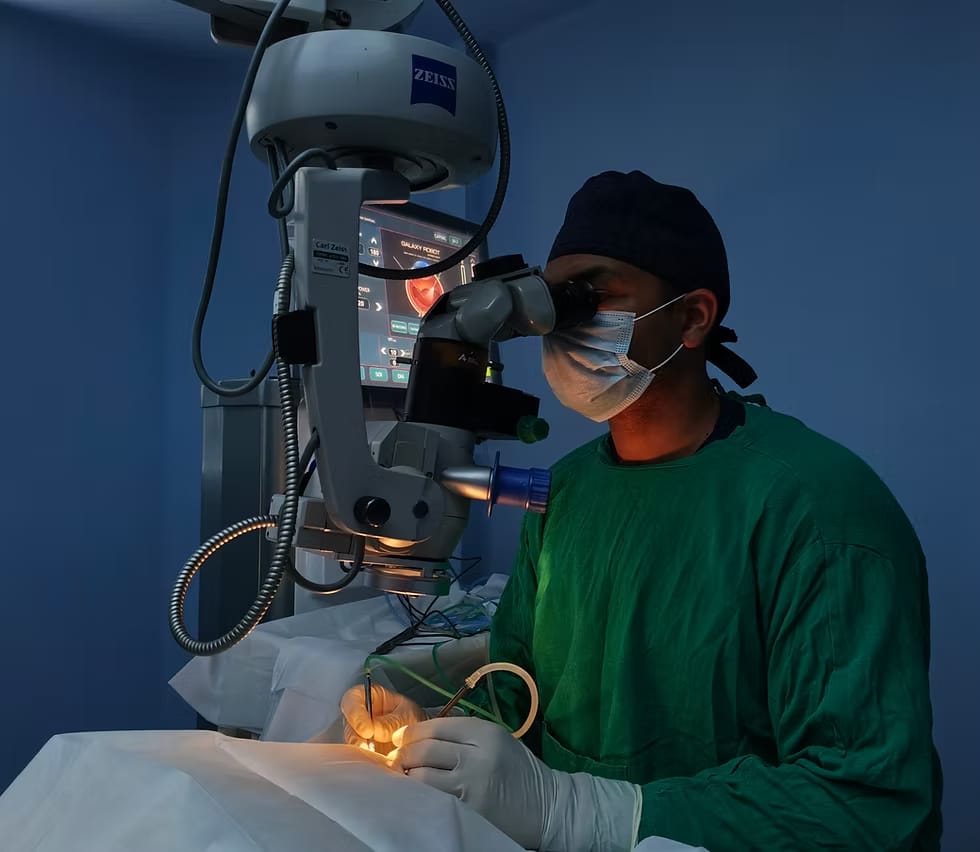

Cataracts are a common eye condition that can gradually affect vision, making everyday activities such as reading, driving, recognising faces, and watching television more difficult. The changes often develop slowly, so many people initially assume that their eyesight is weakening because of age or that they simply need a new pair of glasses. However, when the natural lens of the eye becomes cloudy, cataract treatment may be necessary to restore clearer vision.
For patients considering cataract surgery in delhi ncr, understanding the symptoms, available surgical techniques, lens options, recovery process, and potential risks can make the decision less stressful. An eye examination helps determine whether a cataract is affecting vision enough to require surgery and which approach may be appropriate.
Delhi NCR offers access to a range of eye care facilities where patients can seek cataract evaluation and treatment. By consulting an experienced ophthalmologist and discussing individual visual needs, patients can make informed decisions about their eye health.
What Is a Cataract and How Does It Affect Vision?
A cataract develops when the natural lens inside the eye becomes cloudy. Normally, this lens focuses light onto the retina, allowing the brain to form clear images. When the lens loses its transparency, light cannot pass through it as effectively, resulting in blurred or distorted vision.
Age-related changes are the most common cause, although cataracts can also develop due to diabetes, eye injuries, certain medications, previous eye conditions, or other medical factors. In some cases, cataracts may be present from birth.
Common Symptoms of Cataracts
Cataract symptoms can vary depending on the location and severity of the clouding. Common signs include:
- Blurred, hazy, or cloudy vision
- Difficulty seeing clearly at night
- Increased sensitivity to bright lights and glare
- Halos around headlights or streetlights
- Colours appearing faded or less vibrant
- Frequent changes in spectacle prescriptions
- Difficulty reading or recognising faces
- Reduced contrast when moving between bright and dim environments
These symptoms do not always indicate cataracts, as other eye conditions can produce similar changes. A comprehensive eye examination is necessary to identify the cause.
When Should You Consider Cataract Surgery?
Cataract surgery is generally recommended when cloudy vision begins to interfere with daily activities or affects a person’s quality of life. The decision depends on how much the cataract affects vision, the patient’s visual requirements, and the presence of other eye conditions.
Surgery is not always necessary immediately after a cataract is diagnosed. In its early stages, improved lighting, updated spectacles, and regular eye examinations may help manage symptoms temporarily.
However, if you struggle to read, drive safely, work comfortably, or perform routine activities despite using the appropriate glasses, it may be time to discuss surgery with an ophthalmologist.
The doctor will evaluate visual acuity, examine the natural lens, assess the retina and other eye structures, and consider any underlying health conditions before recommending treatment.
Types of Cataract Surgery Available in Delhi NCR
Modern cataract surgery involves removing the cloudy natural lens and replacing it with an artificial intraocular lens (IOL). The specific technique depends on the patient’s eye condition, the surgeon’s assessment, and the available facilities.
1. Phacoemulsification Surgery
Phacoemulsification, commonly called phaco surgery, is a widely used cataract removal technique. The surgeon makes a small incision and uses an ultrasound-based instrument to break the cloudy lens into smaller pieces before removing them.
An artificial intraocular lens is then placed inside the eye. The small incision often does not require stitches, although this depends on the surgical circumstances.
Potential benefits include a relatively small incision, less disruption to surrounding tissues, and a recovery process that often allows patients to resume many routine activities within a short period.
2. Femtosecond Laser-Assisted Cataract Surgery
This technique uses a specialised laser to perform selected steps of cataract surgery, such as creating certain incisions and opening the lens capsule. The surgeon then completes the remaining parts of the procedure.
Laser assistance is not necessary for every patient, and it is not automatically better for everyone. Its suitability depends on individual eye characteristics, clinical requirements, availability, and cost.
3. Manual Small-Incision Cataract Surgery
Manual small-incision cataract surgery is another established technique. It involves removing the cloudy lens through a small surgical incision and placing an artificial lens inside the eye.
This approach may be appropriate for certain dense cataracts or other clinical situations. The ophthalmologist determines the most suitable technique after examining the eye.
How to Choose the Right Intraocular Lens
Selecting an artificial lens is an important part of cataract treatment. The right option depends on the patient’s prescription, lifestyle, eye health, budget, and expectations regarding glasses after surgery.
Monofocal Lenses
Monofocal lenses provide a fixed focus, commonly selected for distance vision. Patients may still need reading glasses or spectacles for other distances, depending on the lens prescription and visual needs.
Multifocal and Trifocal Lenses
These lenses are designed to provide vision at more than one distance. Some patients may experience greater freedom from glasses, but results vary. Glare, halos, and reduced contrast can occur, particularly in certain lighting conditions.
Extended Depth of Focus Lenses
Extended depth of focus (EDOF) lenses aim to provide a broader range of clear vision, particularly for distance and intermediate activities. Additional reading glasses may still be necessary.
Toric Lenses
Toric intraocular lenses correct certain amounts of corneal astigmatism along with replacing the cloudy natural lens. They may be suitable for patients whose eye measurements indicate that astigmatism correction would be beneficial.
An important point: No single lens is ideal for everyone. Patients should discuss the benefits, limitations, expected spectacle use, and additional costs of each suitable option before making a decision.
What Happens Before, During, and After Cataract Surgery?
Knowing what to expect can help patients feel more prepared for the procedure.
Before Surgery
The ophthalmologist performs a detailed examination and measures the eye to calculate the appropriate intraocular lens power. The assessment may include checking eye pressure, examining the retina, evaluating the cornea, and identifying other conditions that could affect the outcome.
Patients should inform the doctor about their medications, allergies, diabetes, previous eye surgery, and any other relevant medical history.
Follow the clinic’s instructions regarding food, medications, eye drops, and arrangements for travelling home after the procedure.
During Surgery
Cataract surgery is usually performed as a day-care procedure. Local anaesthesia, often in the form of eye drops, is commonly used to reduce discomfort. Patients generally remain awake, although the exact anaesthesia approach depends on the circumstances.
The surgeon removes the cloudy lens and inserts the selected artificial lens. The procedure itself often takes around 10–30 minutes, but preparation, monitoring, and recovery may require additional time at the facility.
After Surgery
Vision may initially be blurry and gradually improve over the following days. The speed of recovery depends on the eye’s condition, the surgical procedure, and whether other eye diseases are present.
Patients should:
- Use prescribed eye drops exactly as directed.
- Attend all scheduled follow-up appointments.
- Avoid rubbing or pressing on the operated eye.
- Follow the surgeon’s advice about bathing, exercise, lifting, and swimming.
- Use protective eyewear if recommended.
- Avoid driving until vision is sufficiently clear and the doctor confirms it is safe.
Sudden loss of vision, increasing pain, significant redness, worsening vision, or new flashes and floaters require urgent medical assessment. These symptoms should not be dismissed as normal recovery.
What Is the Cost of Cataract Surgery in Delhi NCR?
The cost of cataract surgery varies between facilities and depends on several factors. These include the surgical technique, type of intraocular lens, diagnostic tests, surgeon’s fees, facility charges, and follow-up care.
Monofocal lenses are generally less expensive than premium multifocal, trifocal, or some EDOF options. Laser-assisted procedures may also cost more than conventional techniques.
Before choosing a facility, ask for a clear estimate covering:
- Preoperative investigations
- Surgical and facility charges
- The selected intraocular lens
- Prescribed medicines and eye drops
- Postoperative consultations
- Any additional charges if complications or further treatment arise
Rather than choosing solely on price, consider the quality of the evaluation, the surgeon’s experience, the suitability of the recommended lens, and the availability of postoperative support.
How to Choose an Eye Care Centre for Cataract Treatment
When evaluating options for cataract surgery in Delhi NCR, look beyond promotional claims and consider the quality of clinical assessment and patient communication.
A suitable eye care centre should provide a detailed examination, explain the diagnosis in understandable language, discuss appropriate treatment options, and clearly outline the expected benefits and limitations.
Consider asking the ophthalmologist:
- How advanced is my cataract, and is surgery necessary now?
- Which surgical technique is appropriate for my eyes?
- Which intraocular lenses are suitable for my visual needs?
- Will I probably need glasses after surgery?
- What risks apply to my individual eye condition?
- What follow-up care and emergency support are available?
Patients with diabetes, glaucoma, retinal disease, corneal problems, or previous eye surgery may require additional assessment. These conditions can influence surgical planning and the vision achieved after treatment.
Frequently Asked Questions
1. Is cataract surgery painful?
Cataract surgery is generally performed using local anaesthesia, so patients usually experience little or no significant pain during the procedure. Mild irritation, watering, or a gritty sensation may occur afterward. Severe or increasing pain should be assessed urgently.
2. How long does it take to recover from cataract surgery?
Many patients notice improvements in vision within a few days, although complete recovery may take several weeks. The timeline varies depending on individual healing, the surgical procedure, and any other eye conditions. Follow the surgeon’s instructions throughout recovery.
3. Can cataracts return after surgery?
The removed cloudy natural lens does not grow back. However, some patients develop posterior capsule opacification, in which the thin membrane supporting the artificial lens becomes cloudy. This can usually be treated with a brief outpatient laser procedure when indicated.
4. Can both eyes undergo cataract surgery on the same day?
Some patients may be eligible for surgery on both eyes on the same day, but this is not appropriate for everyone. Many surgeons prefer separate procedures so the first eye can be assessed before operating on the second. The decision should be made with the ophthalmologist after considering individual risks.
5. How do I know which artificial lens is best for me?
The best lens depends on your eye measurements, corneal health, lifestyle, budget, and expectations about wearing glasses. Your ophthalmologist can explain the benefits and limitations of monofocal, multifocal, EDOF, and toric lenses to help you choose an appropriate option.
Conclusion
Cataracts can gradually affect independence, comfort, and quality of life, but timely evaluation and appropriate treatment can help many patients regain clearer functional vision. Understanding the available surgical techniques, intraocular lens choices, expected recovery, and potential risks is an important step towards making an informed decision.
For anyone exploring cataract surgery in Delhi NCR, the priority should be a thorough eye examination and a treatment plan tailored to individual needs rather than choosing a procedure based on price or promotional claims alone. IClinix Advanced Eye Care is a name patients can consider when exploring eye care options and seeking professional guidance about cataract evaluation and treatment. Discuss your symptoms and expectations with a qualified ophthalmologist to understand which approach is appropriate for your eyes.



Join the conversation