
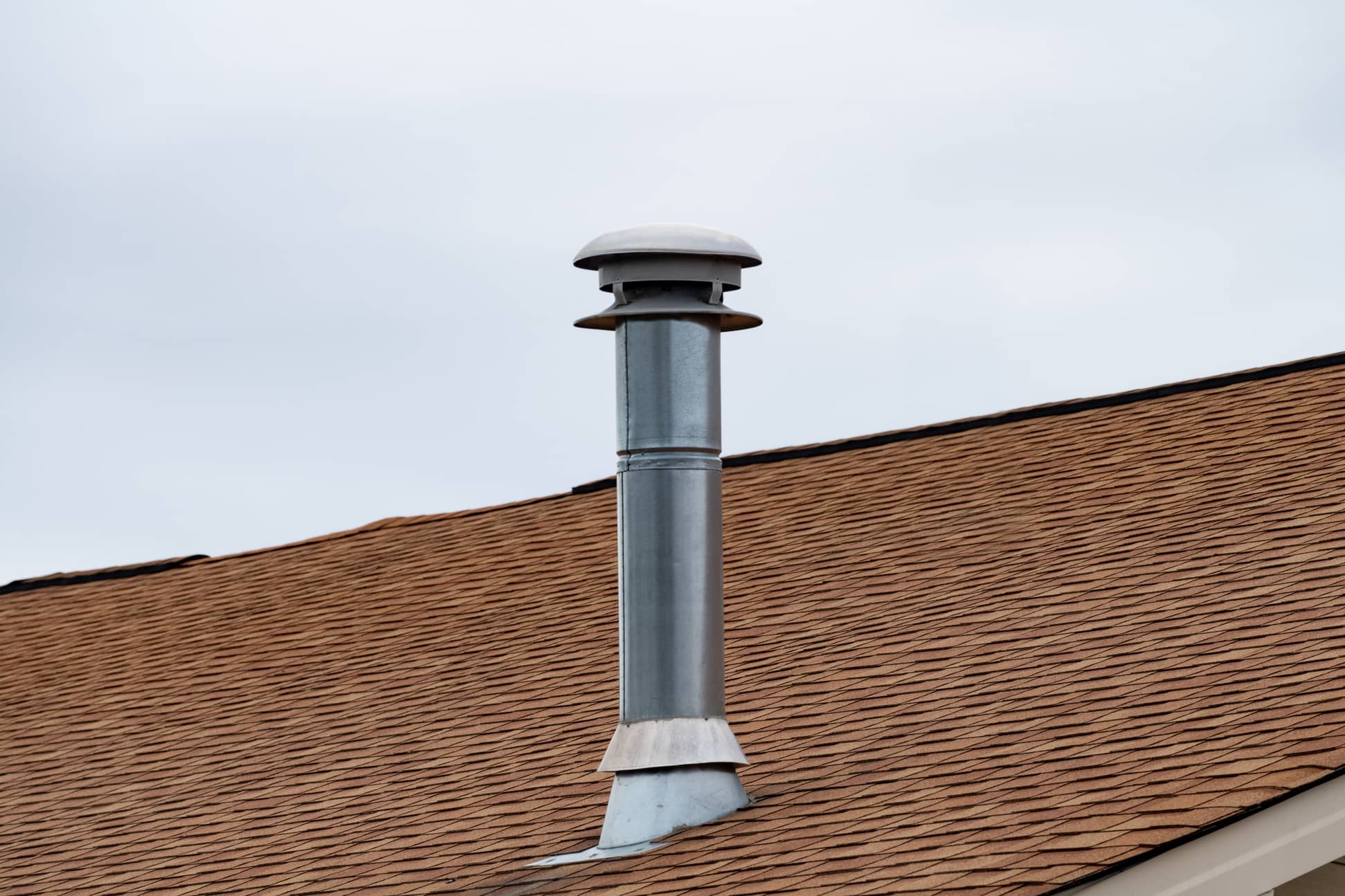
A roof is designed to protect a building from rain, wind, and changing weather conditions. However, even a well-constructed roofing system can develop leaks at vulnerable points where pipes, vents, cables, and other components pass through the roof surface. These openings, commonly known as roof penetrations, require careful installation and ongoing maintenance to prevent water from entering the building.
Plumbing vent pipes are among the most common roof penetrations in residential properties. They help regulate air pressure in the plumbing system and allow sewer gases to escape safely. Although these pipes serve an essential function, the areas where they pass through the roof can become potential entry points for moisture when flashing, seals, or surrounding roofing materials deteriorate.
Understanding how roof penetrations fail can help homeowners identify early warning signs, reduce the risk of costly repairs, and protect their property’s structural integrity. Regular inspections and professional roof maintenance services also help identify developing problems before they cause extensive damage to ceilings, insulation, roof decking, and interior finishes.
This article explains why plumbing vents and other roof penetrations are vulnerable to water intrusion, which warning signs to watch for, and how proper installation and preventive maintenance can help preserve a roof’s performance.
What Are Roof Penetrations?
Roof penetrations are openings created when building components extend through the roof covering and, in many cases, the underlying roof deck. These openings are necessary for ventilation, drainage, electrical systems, and mechanical equipment.
Common examples include:
- Plumbing vent pipes that regulate pressure in drainage systems.
- Exhaust vents that remove moisture and stale air from bathrooms and kitchens.
- Chimneys and flue pipes that release combustion gases.
- Skylights that introduce natural light into interior spaces.
- HVAC equipment, electrical conduits, and solar panel mounting hardware.
- Roof drains and other drainage components on low-slope roofs.
Every penetration interrupts the continuous surface that helps shed rainwater. If the surrounding materials are not installed correctly or begin to deteriorate, moisture can enter the roofing assembly.
According to the U.S. Department of Energy’s Building America Solution Center, properly integrating flashing and water-control layers around roof penetrations is essential for minimizing leaks. Water should be directed away from the opening rather than allowed to collect around it.
This principle applies to both sloped residential roofs and low-slope commercial roofing systems.
1. Deteriorating Plumbing Vent Pipe Boots
One of the most frequent causes of leaks around plumbing vents is deterioration of the pipe boot or flashing assembly.
A pipe boot is a protective fitting installed around a plumbing vent where it passes through the roof. Depending on the roofing system, it may consist of a flexible rubber or polymer collar attached to a metal or composite flange.
The flange integrates with the surrounding roofing materials, while the collar helps seal the gap between the pipe and the flashing.
Over time, exposure to sunlight, temperature changes, wind, and moisture can cause the collar to crack, shrink, harden, or separate from the pipe. Once this happens, rainwater can travel through the opening and enter the roof assembly.
A flashing flange can also become damaged, corroded, loose, or improperly integrated with the shingles or roofing membrane.
Warning Signs of a Failing Pipe Boot
Homeowners and property managers should watch for:
- Cracks or gaps around the vent pipe.
- Rubber collars that appear brittle, split, or distorted.
- Rust or corrosion on metal flashing.
- Loose, lifted, or damaged shingles near the penetration.
- Water stains on ceilings or attic surfaces below the vent.
- Damp insulation or visible moisture around the roof opening.
A damaged pipe boot does not always produce an immediate interior leak. Water may initially enter the roof assembly and remain hidden until the surrounding materials become saturated.
A professional inspection can help determine whether the boot needs replacement, the surrounding flashing requires repair, or additional damage has developed beneath the roof covering.
2. Improper Flashing Installation
Flashing is one of the most important components of a watertight roof penetration. Its purpose is to redirect water away from joints and openings instead of allowing moisture to enter the building.
However, flashing can fail when it is installed incorrectly.
For example, flashing that is not properly integrated with the roofing material may allow water to travel beneath the roof covering. If the upper portion of the flashing does not overlap the lower layers correctly, rainwater can move behind the protective assembly rather than flow down the roof.
Other installation problems include incorrectly sized pipe boots, missing flashing components, poorly secured edges, and incompatible materials.
On asphalt shingle roofs, flashing must be integrated with the shingles and underlayment so water continues to flow downward. On low-slope roofs, the flashing must be compatible with the roofing membrane and properly sealed around the penetration.
These details matter because sealant alone is not a substitute for a correctly designed flashing assembly.
When installing a new plumbing vent or replacing an existing roof, contractors should inspect all penetrations and verify that flashing details are appropriate for the roofing material, roof slope, and manufacturer’s installation requirements.
3. Cracked or Deteriorated Sealants
Sealants can provide additional protection at specific joints, but they are exposed to environmental conditions that gradually affect their performance.
Repeated heating and cooling can cause roofing materials to expand and contract. Wind movement, ultraviolet radiation, moisture, and aging can also contribute to sealant deterioration.
As a sealant loses flexibility or adhesion, small gaps may develop between the pipe, flashing, and surrounding materials. Water can then enter through these openings, particularly during prolonged rainfall or wind-driven storms.
Applying another layer of sealant over an existing joint may appear to offer a quick solution. However, this approach may fail if the underlying flashing is damaged, the original materials are incompatible, or the joint has not been properly prepared.
A durable repair begins with identifying the source of the leak. Depending on the condition of the assembly, the correct solution may involve replacing the pipe boot, repairing the flashing, or rebuilding the affected section.
Professional roof maintenance helps ensure repairs address the underlying cause rather than temporarily covering visible symptoms.
4. Loose or Damaged Roofing Materials Around Penetrations
Roof penetrations are surrounded by roofing materials that must remain properly positioned to shed water.
On shingle roofs, wind can lift or displace shingles near a vent pipe. Foot traffic, falling branches, hail, and other impacts may also damage the surrounding materials.
On metal roofs, improperly sealed fasteners, poorly fitted pipe boots, and movement between roofing panels and penetrations can create potential leak paths.
Commercial roofs face similar challenges. Membrane punctures, loose flashing edges, deteriorated seals, and poorly detailed equipment supports can compromise the roof’s water-control layer.
Even when the pipe boot itself remains intact, water can enter through nearby damaged shingles, exposed fasteners, or separated membrane seams.
This is why an effective inspection should examine the entire area around a penetration rather than focus exclusively on the pipe collar.
A roofing professional can assess whether the surrounding materials remain secure and whether repairs are necessary to restore the roof’s ability to direct water away from the opening.
5. Heavy Rainfall and Water Accumulation
Roof penetrations become particularly vulnerable when water accumulates around them.
On sloped roofs, properly installed roofing materials generally direct rainwater toward the eaves. However, debris, damaged shingles, poorly positioned flashing, or unusual roof geometry can interfere with normal drainage.
On low-slope commercial roofs, standing water may develop when drains become blocked, the roof has inadequate drainage, or localized depressions collect rainwater.
Prolonged exposure to accumulated moisture can increase the likelihood that water will find weaknesses in flashing, seams, or sealant joints.
Wind-driven rain can create additional challenges by forcing water toward joints from directions that are less common during ordinary rainfall.
Preventing these problems requires more than sealing individual openings. Roof maintenance should also include checking drainage pathways, clearing appropriate debris, evaluating ponding water, and confirming that penetrations are detailed to work with the roof’s overall drainage design.
If standing water repeatedly forms around a vent or other penetration, the underlying drainage issue should be investigated instead of relying on sealant as the only corrective measure.
6. Thermal Expansion and Contraction
Roofing materials experience temperature fluctuations throughout the year. During hot weather, pipes, metal flashing, roof membranes, and other components may expand. As temperatures fall, these materials contract.
Although these movements are often small, repeated cycles can gradually place stress on joints and connections.
The problem becomes more significant when the flashing is too rigid for the application, the pipe is inadequately supported, or the materials are not designed to accommodate movement.
Over time, repeated stress can loosen connections, damage sealants, or create gaps between the penetration and its protective flashing.
Professional installation helps reduce these risks by using compatible components, appropriate fastening methods, and details designed for the expected movement of the roofing assembly.
Regular inspections can also identify early signs of separation before water enters the building.
7. Hidden Damage Beneath the Roofing Surface
One of the most concerning aspects of roof penetration leaks is that the visible damage may appear far from the actual entry point.
Water entering around a plumbing vent can travel along roof decking, rafters, insulation, or other structural components before becoming visible on a ceiling or wall.
As a result, a ceiling stain directly below a bathroom may not necessarily indicate that the plumbing vent is the source. Water could be entering through another nearby penetration, a roof-to-wall junction, or damaged roofing materials farther upslope.
Persistent moisture can damage wood decking, weaken affected materials, reduce insulation performance, and contribute to conditions favorable for mold growth.
In commercial buildings, moisture can also damage ceiling systems, interior finishes, equipment, and stored materials.
Accurate diagnosis is therefore essential. Rather than repairing only the location where water becomes visible, a qualified roofing professional should trace the likely moisture pathway and inspect the surrounding roofing assembly.
Where hidden damage is suspected, additional inspection of the attic, roof deck, insulation, or affected interior areas may be necessary.
8. Poorly Maintained Roof Penetrations After Renovations
Roof leaks can also develop after renovation projects, equipment installations, or plumbing modifications.
For example, a contractor may install a new vent pipe, exhaust fan, electrical conduit, or rooftop component without properly restoring the roof’s waterproofing layers.
Problems can also arise when existing penetrations are relocated or removed and the resulting openings are not correctly repaired.
Even small changes can compromise the roofing system if the new components are incompatible with the roof material or the flashing is not installed according to the manufacturer’s instructions.
After any project involving roof penetrations, property owners should confirm that the affected areas have been properly sealed and integrated with the surrounding roofing system.
For commercial properties, coordinating roofing work with plumbing, electrical, and mechanical contractors is particularly important because multiple trades may work in the same roof area.
Documenting new penetrations and keeping records of repairs can also make future inspections more effective.
Common Warning Signs of Water Intrusion Around Roof Penetrations
Recognizing early symptoms can help homeowners arrange an inspection before a small leak becomes a major repair.
Important warning signs include:
Ceiling stains: Yellow, brown, or irregular discoloration may indicate moisture entering the building.
Peeling paint or bubbling finishes: Water trapped behind interior finishes can cause paint to blister or drywall surfaces to deteriorate.
Damp attic insulation: Wet or compressed insulation near a vent pipe may suggest a roof leak or another moisture source.
Musty odors: Persistent odors can indicate a moisture problem that requires further investigation.
Visible flashing damage: Cracked collars, loose flashing, corrosion, or separated joints can signal an increased risk of water intrusion.
Recurring leaks after rainfall: Moisture that appears during or shortly after rain may indicate a problem with the roof’s water-shedding system.
These signs are useful indicators, but none independently confirms the precise source of a leak. A professional assessment can distinguish roof-related moisture from plumbing leaks, condensation, and other potential causes.
How Professional Roof Maintenance Helps Prevent Water Intrusion
Preventive maintenance helps identify vulnerable areas before water intrusion causes widespread damage. A planned maintenance approach is especially valuable for roofs with multiple plumbing vents, skylights, HVAC components, or other penetrations.
Professional roof maintenance services typically focus on evaluating the condition of the roofing system, checking vulnerable details, and recommending repairs based on observed conditions.
Inspect Plumbing Vent Flashing
A roofing professional can examine pipe boots, collars, flashing flanges, and nearby roofing materials for cracks, movement, corrosion, or deterioration.
If the protective assembly has reached the end of its useful life, replacing it may provide a more reliable solution than repeatedly applying sealant.
Check Surrounding Roofing Materials
Inspections should include the shingles, metal panels, or membrane surrounding each penetration.
The goal is to identify lifted shingles, punctures, loose fasteners, damaged seams, and other defects that may allow water to bypass the flashing.
Evaluate Drainage Conditions
Professionals should check whether water drains properly away from roof penetrations and whether leaves, branches, or other debris are obstructing drainage pathways.
On low-slope roofs, recurring ponding water should be evaluated to determine whether drainage improvements or additional repairs are needed.
Examine the Attic and Interior
When accessible, the attic or roof cavity can provide important evidence of moisture intrusion.
Inspectors may look for water stains, wet insulation, damaged decking, corrosion, or deterioration around the underside of penetrations.
Interior ceilings and walls should also be assessed when a leak has been reported.
Recommend Compatible Repairs
Roofing materials vary, so the correct repair depends on the roof type, penetration design, and condition of the surrounding assembly.
A suitable repair should follow the roofing manufacturer’s specifications and applicable building requirements. Where necessary, damaged flashing should be replaced and the affected roofing layers restored.
Maintain Inspection Records
Keeping a record of roof inspections, repairs, and replaced components helps property owners track recurring problems and identify aging materials.
For commercial properties, maintenance records can also support budgeting, contractor coordination, and long-term roof management.
How Often Should Roof Penetrations Be Inspected?
The appropriate inspection schedule depends on the roof’s age, material, climate, exposure, and overall condition.
As a practical starting point, homeowners can arrange professional roof inspections at least once a year and after significant weather events that may have damaged the roofing system. Older roofs and properties with a history of leaks may require more frequent attention.
Commercial roofs should follow a maintenance schedule appropriate to the roofing system, building use, manufacturer recommendations, and site conditions. Inspections are particularly important after severe storms, equipment installations, and other work that affects the roof surface.
Between professional inspections, property owners can watch for interior warning signs and visible changes around accessible roof areas. However, they should not climb onto a roof or approach a penetration without appropriate training and fall-protection measures.
A roof inspection is most effective when it evaluates the entire roofing system, including penetrations, flashing, drainage, seams, and other vulnerable details.
Should You Repair or Replace Damaged Roof Penetration Flashing?
The right approach depends on the extent of the damage and the condition of the surrounding roofing materials.
A limited repair may be appropriate when the problem is isolated and the existing flashing remains structurally sound. For example, a qualified contractor may be able to correct a localized defect without replacing a larger section of the roof.
Replacement is often more appropriate when a pipe boot is cracked, a flashing assembly has deteriorated significantly, or previous repairs have failed repeatedly.
If moisture has already damaged the roof deck or insulation, those materials may also need attention. Installing new flashing without addressing underlying damage can leave the larger problem unresolved.
When multiple penetrations show similar deterioration, inspecting all of them at the same time may help identify additional repairs before they result in further leaks.
A qualified roofing contractor can explain the condition of the affected area, recommend a suitable repair strategy, and distinguish necessary work from cosmetic improvements.
Why Professional Maintenance Is Important for Commercial Roofs
Commercial properties often have more roof penetrations than residential buildings. Plumbing vents, exhaust fans, HVAC units, electrical conduits, and other equipment can create numerous locations that require careful waterproofing.
Because these buildings may have large roof areas and low-slope drainage systems, a leak can remain hidden for some time before affecting occupied spaces.
A proactive maintenance plan helps property managers monitor flashing conditions, identify drainage problems, coordinate rooftop equipment work, and schedule repairs before minor defects become more disruptive.
For businesses, early leak detection can help reduce the risk of damaged inventory, interrupted operations, deteriorating insulation, and expensive interior restoration.
Professional inspections also help establish a record of roof conditions over time, making it easier to plan maintenance budgets and evaluate when larger repairs or replacement may be appropriate.
Conclusion
Plumbing vents and other roof penetrations are essential components of a functioning building, but they can also become sources of water intrusion when flashing deteriorates, sealants fail, roofing materials become damaged, or installation details are incorrect.
Because water can travel beneath the roofing surface before becoming visible indoors, early detection and accurate diagnosis are essential for preventing extensive damage.
Property owners should pay attention to warning signs such as ceiling stains, damp insulation, recurring leaks, and visible flashing deterioration. They should also arrange professional inspections after significant storms and whenever changes to the roof may have compromised its waterproofing.
Investing in regular roof maintenance services helps identify vulnerable areas, maintain effective drainage, and ensure that roof penetrations continue to protect the building from moisture. By addressing minor defects promptly and using compatible repair methods, homeowners and commercial property managers can help extend the useful life of their roofing systems and reduce the likelihood of avoidable water damage.
For reliable long-term roof performance, every penetration deserves the same attention to proper installation, inspection, and maintenance as the rest of the roof.



Join the conversation