


Introduction
Understanding Visual Status Signals in Automation
Automated production environments often involve several processes operating at the same time. A single control panel may manage motors, conveyors, pumps, and other equipment. Operators therefore need a practical way to identify the status of different sections.
Visual signalling components help communicate information without requiring operators to inspect every machine individually. An indicator can be connected to a suitable control output so that its display changes according to the condition being monitored.
The exact behaviour depends on the electrical design. For example, a signal may be assigned to a selected operating state, circuit condition, or control command. Correct wiring and labelling are essential to ensure that the displayed information is meaningful.
Role of LED Semaphore Indicators in Automation Systems
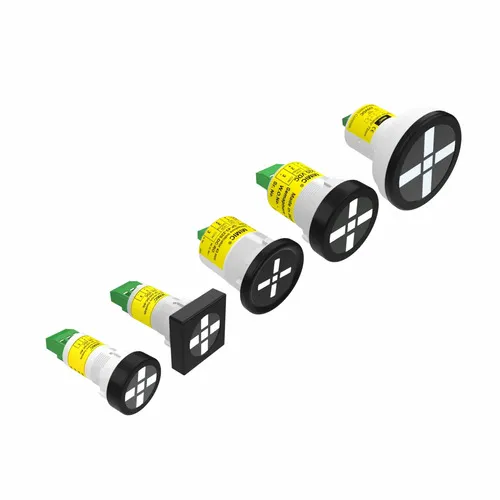
An LED Semaphore Indicator can serve as a local visual reference within an automated installation. It helps operators identify the condition assigned to the device through the system’s control logic.
Its role may include:
Displaying selected equipment status.
Supporting visual monitoring of electrical circuits.
Providing a reference for maintenance personnel.
Helping operators recognise changes in a monitored condition.
Supporting organised control panel layouts.
It should be understood as an indication component rather than a device that independently controls or protects machinery.
Common Industrial Applications
1. Conveyor Systems
Conveyor installations are used to move materials between production stages. Visual indicators can communicate selected operating conditions, helping operators monitor different sections of the system.
2. Packaging Machinery
Packaging equipment may include several coordinated operations. Local status indications can help workers understand which section requires attention.
3. Process Control Panels
Process installations often manage pumps, valves, motors, and other equipment. Panel indicators can provide visible references for selected control conditions.
4. Material Handling Equipment
Material handling systems require coordination between different machines and operating areas. Suitable visual signalling components can support local monitoring.
5. Production Line Control
Production lines involve multiple workstations and equipment sections. Properly arranged indicators help operators understand the status information assigned to individual panel functions.
Why Clear Visual Communication Matters
When operators receive clear information, they can identify the relevant equipment or circuit more easily. This is particularly important in facilities where several processes operate together.
A properly planned visual indication system can provide:
Faster recognition: A visible display helps operators notice a selected condition during routine monitoring.
Consistent information: Standardised labelling and signal assignments make panel information easier to understand.
Convenient inspection: Maintenance teams can use visual indications as one part of their equipment inspection process.
Organised operation: Indicators placed near related controls can make panel layouts easier to follow.
Better coordination: Clear status information supports communication between operators and maintenance personnel.
These benefits depend on correct signal design. An indicator should never be assigned a meaning that differs from the actual control condition it represents.
Selecting the Right Indicator for Automation Equipment
Before choosing an indicator, review the requirements of the control system.
Electrical compatibility
Confirm the operating voltage and electrical connection details. The selected model must be suitable for the circuit in which it will be installed.
Display requirements
Determine what information needs to be displayed. The signal arrangement should be easy for operators to understand.
Panel space
Check the dimensions and mounting requirements. The device should fit the intended panel opening without interfering with nearby components.
Operating environment
Review the temperature, dust, moisture, vibration, and other conditions present at the installation location.
Visibility and placement
Install the indicator where the intended operator can see it clearly. Avoid positions that are blocked by doors, wiring ducts, or other equipment.
Manufacturer documentation
Always review the product datasheet for electrical ratings, installation instructions, and operating limitations.
Installation Practices for Reliable Indication
Installation quality has a direct effect on the usefulness of a visual signalling device. The panel should be prepared according to the manufacturer’s mounting requirements. Wiring should be completed using the specified terminals and connection arrangement.
The signal source must also be checked. If the indicator is connected to the wrong control output, it may display misleading information. For this reason, the circuit design should be reviewed before the system is placed into service.
After installation, qualified personnel should test the indicator under the intended operating conditions. They should confirm that each signal corresponds to the correct equipment state.
Maintenance and Inspection
Routine inspection helps identify problems before they affect normal monitoring. Maintenance personnel should check the display, mounting condition, wiring, and connections.
If an indicator becomes difficult to see or does not respond as expected, the associated circuit should be inspected. Replacement should be carried out using a compatible model with suitable electrical and mechanical specifications.
Maintenance records can also help track recurring issues and support planned servicing.
Frequently Asked Questions
1. Can an LED Semaphore Indicator be used in automated machinery?
Yes, it may be used in suitable automation control panels to display selected operating conditions, provided its specifications match the application.
2. Does it control the machine?
No. It is primarily an indication device. Machine control is handled by the relevant controllers, relays, and control circuits.
3. Can one panel contain multiple indicators?
Yes. Multiple indicators may be used when the panel design requires separate visual references for different circuits or equipment sections.
4. What is the most important selection factor?
Electrical compatibility is essential, along with mounting requirements, display visibility, environmental suitability, and the intended signal function.
5. Why is proper labelling important?
Labelling helps operators understand what each indication represents and reduces the risk of misinterpreting panel information.
Conclusion
Industrial automation requires clear communication between equipment and operating personnel. An LED Semaphore Indicator can support this requirement by providing a visible reference for selected system conditions. When correctly selected, connected, labelled, and maintained, it becomes a useful component of an organised industrial control panel.



Join the conversation