

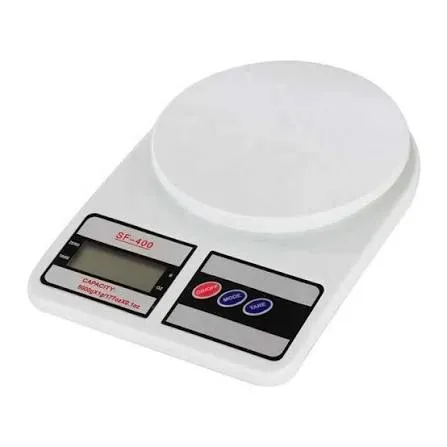

Businesses across different industries need reliable measurement equipment to manage products, materials, and everyday operations. Whether a company handles retail goods, industrial components, food ingredients, or packaged products, accurate weight information supports better decision-making. A digital weighing scale offers a convenient way to measure different items through electronic sensors and clear digital displays, helping employees complete weighing tasks efficiently.
In the UAE, commercial and industrial businesses have different measurement requirements depending on their operations. Some need compact equipment for individual workstations, while others require advanced weighing solutions that connect with existing business systems. Understanding these differences can help companies choose suitable equipment and improve their weighing procedures.
The Evolution of Digital Weighing Technology
Traditional weighing methods have gradually developed into electronic systems that offer convenient measurement and additional operating functions. Modern digital scales use electronic load cells or other sensing technologies to detect applied weight and convert it into readable measurements.
This technology has made weighing procedures easier to manage in many workplaces. Employees can view measurements on digital indicators instead of interpreting mechanical readings. Depending on the equipment, users may also access functions such as tare, unit conversion, piece counting, and measurement storage.
Some advanced models provide communication options that allow weight information to be transferred to external devices. These features can be useful for businesses that want to organize measurement records and improve coordination between departments.
How Digital Scales Support Daily Business Workflows
A weighing machine becomes more useful when it is positioned according to the actual activities of a workplace. Businesses can organize weighing stations around receiving, inspection, production, packaging, and dispatch operations.
For example, a warehouse may use digital equipment at its receiving area to check selected incoming products. The recorded measurements can then support internal stock procedures. Similarly, a packaging department may use weighing equipment before products are prepared for shipment.
In manufacturing facilities, employees can measure materials before processing and compare quantities against production requirements. These procedures help businesses maintain more consistent workflows and identify differences that may require investigation.
Different Digital Weighing Solutions
Digital weighing equipment is available in various designs. Each category serves a different purpose, making it important to understand the available options.
1. Portable Digital Weighing Scales
Portable scales are designed for situations where equipment needs to be moved between suitable working locations. They may be useful for small businesses, workshops, inspection activities, and temporary weighing stations.
When selecting a portable model, businesses should consider battery life, weight capacity, display visibility, and ease of handling.
2. Bench and Tabletop Digital Scales
Bench scales are suitable for counters, workstations, and production tables. They provide a convenient option for measuring smaller products, components, ingredients, and packages.
Their compact construction helps businesses organize weighing activities without requiring a large floor area.
3. Industrial Digital Scales
Industrial digital scales are designed for more demanding commercial environments. They are available in different capacities and configurations for measuring raw materials, containers, machinery components, and finished goods.
Businesses should select models according to their maximum load, operating conditions, and measurement requirements.
4. Precision Digital Balances
Precision balances are intended for applications that require detailed measurements. Laboratories, jewellery businesses, research facilities, and quality-control departments may use this equipment for specific weighing tasks.
Readability, repeatability, capacity, and environmental stability are important considerations when selecting a precision balance.
The Importance of Digital Displays and User Interfaces
A clear display is an important feature of any weighing machine. Employees need to read measurements easily, particularly in workplaces where weighing activities take place throughout the day.
Different models offer LCD or LED displays, with variations in screen size, visibility, and operating controls. Some industrial machines also provide separate indicators that can be positioned for convenient viewing.
A straightforward interface can reduce operating difficulties and make equipment easier to use. Businesses with multiple employees should consider machines with simple controls and clearly identified functions.
For applications involving larger products, a remotely positioned indicator may improve visibility. However, the required display arrangement should be confirmed according to the selected model and workplace layout.
Connecting Digital Weighing Equipment With Business Systems
Modern business operations increasingly depend on organized information. Digital weighing equipment with suitable communication features can help transfer measurement data into other systems.
Depending on the model, available interfaces may include RS-232, USB, Ethernet, or wireless communication. These connections can support different operational requirements.
For example, a warehouse may want to transfer weight readings into inventory software. A manufacturing facility may need measurement information for production records, while a packaging department may use connected equipment to support documentation.
Before purchasing a connected weighing machine, businesses should check:
Compatibility with existing computers and software.
Available communication interfaces.
Data transfer format and operating requirements.
Printer or external indicator compatibility.
Whether additional software or configuration is necessary.
Selecting suitable connectivity features can make weighing information easier to organize without investing in functions that the business does not actually need.
Selecting the Right Scale for Different Working Environments
The surrounding environment can influence the performance and suitability of weighing equipment. A scale used in a clean office environment may have different requirements from one installed in a food-processing facility or industrial workshop.
Businesses operating in dusty areas should consider appropriate protective construction. Workplaces exposed to moisture may require models with suitable water-resistance ratings. Facilities with vibration or frequent movement should also consider installation conditions and equipment stability.
Temperature, cleaning procedures, electrical supply, and available workspace are additional factors that should be reviewed before purchasing.
Choosing equipment according to the actual environment can help reduce operational problems and support dependable measurements.
Budget Planning and Long-Term Equipment Value
Purchasing decisions should consider more than the initial price of a weighing machine. Businesses also need to evaluate operating requirements, maintenance, calibration, and the expected frequency of use.
A basic digital scale may be sufficient for straightforward weighing activities. However, a business that needs measurement records, counting functions, or system integration may benefit from a model with additional capabilities.
It is important to compare specifications rather than selecting equipment based only on advertised features. Buyers should also review product documentation, warranty conditions, spare-part availability, and the supplier’s service arrangements.
A well-planned purchase can help businesses avoid unnecessary replacement expenses and choose equipment that remains suitable as their operations develop.
Why Consider Al Falah Scales?
Finding a suitable weighing equipment provider is an important part of purchasing reliable measurement solutions. Al Falah Scales is a relevant option for businesses exploring commercial and industrial weighing requirements in the UAE.
Before selecting a digital weighing machine, customers should identify their application, expected load, required measurement precision, operating environment, and preferred functions. Discussing these details with Al Falah Scales can help customers understand available equipment options and compare relevant specifications.
A practical weighing solution should match the business’s daily requirements and provide the functions needed for its intended application. Careful equipment selection can support organized workflows and consistent measurement practices.
Conclusion
Digital weighing technology has made product measurement more convenient across retail, manufacturing, packaging, warehousing, and other industries. Modern equipment offers different capacities, display arrangements, operating functions, and connectivity options to support various business requirements. Companies considering a digital weighing solution in the UAE should evaluate their working environment, measurement needs, software compatibility, and long-term equipment value before purchasing. Selecting the right machine can help improve operational organization and support dependable weighing procedures.
Frequently Asked Questions
1. What features should I look for in a digital weighing scale?
Important features include suitable weight capacity, measurement readability, a clear display, tare functionality, appropriate power options, and additional functions required for your application.
2. Can digital weighing scales transfer measurement data to computers?
Yes. Certain models offer communication interfaces such as RS-232, USB, or Ethernet. Compatibility depends on the weighing indicator, connected equipment, and software requirements.
3. Are digital weighing scales suitable for industrial environments?
Yes. Industrial digital weighing machines are available for manufacturing facilities, warehouses, packaging departments, and other demanding workplaces. The selected model should match the required capacity and environmental conditions.



Join the conversation