

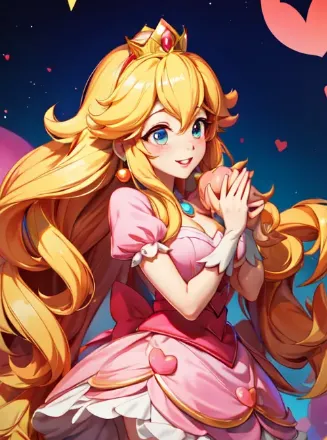

Anime-inspired video production has become an exciting creative direction for people interested in original characters, expressive animation, imaginative environments, and cinematic storytelling. Its distinctive artistic language combines detailed illustrations, dramatic facial expressions, colorful backgrounds, and carefully designed character movements. With AI-powered creative tools, these visual elements can now be explored through a more flexible production process, allowing creators to turn written concepts and visual references into animated scenes.
Creating anime adult AI videos offers additional opportunities to experiment with mature fictional storytelling, adult character designs, romantic themes, fantasy environments, and visually sophisticated scenes. Rather than approaching every project as a collection of unrelated clips, creators can develop an original concept, establish a consistent visual identity, and build a sequence that feels connected from beginning to end.
Rogue Studio AI provides a creative environment for experimenting with AI-generated images and videos. Its available generation workflows can help creators explore different visual styles, develop fictional characters, and experiment with cinematic video concepts. Whether the objective is to create a futuristic anime sequence, a fantasy-inspired character introduction, or a dramatic fictional storyline, the quality of the result depends on how effectively the creative idea is planned and communicated.
However, producing engaging anime videos requires more than selecting a model and entering a short description. Character consistency, animation direction, scene composition, lighting, movement, and editing all influence the final production.
This article explores the best ways to approach anime video creation using Rogue Studio AI, including practical creative techniques, prompt-writing methods, character development, and production ideas for more visually engaging results.
Why Anime Video Creation Needs More Than an Attractive Character Design
Anime is recognized for its distinctive characters, but strong character design is only one part of successful storytelling. A visually attractive character can introduce an idea, but the surrounding environment, expressions, movement, and scene progression give that character a purpose.
For example, an original adult anime character standing in a futuristic city might look visually interesting. However, the scene becomes more engaging when the character interacts with the environment, responds to an event, or moves through a location connected to the storyline.
This is where an anime AI video generator can become useful. Instead of focusing exclusively on static character illustrations, creators can experiment with motion, camera perspectives, environmental effects, and different storytelling approaches.
Anime adult AI videos can explore several fictional themes, including supernatural adventures, mature romance, futuristic storytelling, gothic fantasy, and dramatic character relationships. The most effective projects establish a clear direction before moving into production.
A good starting point is to decide what the audience should experience. Should the video feel romantic, mysterious, adventurous, futuristic, or dramatic? Once the intended atmosphere is clear, character design and scene composition become easier to plan.
Build an Original Anime Concept Before Opening the Generator
One of the best ways to improve anime video creation is to begin with a complete visual concept instead of generating random scenes.
Think of the fictional world as the foundation of the project. It determines where the characters live, what kind of clothing they wear, how the environment looks, and which visual elements appear throughout the story.
For instance, a futuristic anime concept might take place in a technologically advanced city filled with illuminated buildings, holographic advertisements, and atmospheric nighttime streets. A fantasy-inspired project could use enchanted forests, ancient castles, magical objects, and supernatural characters.
Both concepts offer different opportunities for creating anime adult AI videos, but each needs its own recognizable visual direction.
Before generating the first scene, establish the following creative foundations:
Story concept: Decide what the fictional video is about and what makes it interesting.
Visual genre: Select fantasy, futuristic, gothic, romantic, supernatural, or contemporary anime.
Character identity: Define the main adult fictional characters and their recognizable features.
Environment: Choose the locations that support the storyline.
Art direction: Establish the preferred colors, lighting, illustration style, and overall atmosphere.
This preparation helps prevent visual inconsistency and gives every generated scene a clear purpose.
How Rogue Studio AI Can Help Develop Anime-Inspired Videos
Rogue Studio AI can be used as part of an AI-assisted production workflow for developing original anime-inspired images and videos. Its available generation capabilities provide a creative environment for testing visual concepts and experimenting with different production directions.
The process should begin with an idea rather than a generation setting. Decide whether the project needs a character introduction, a dramatic interaction, a fantasy environment, or a complete short sequence.
Once the idea is established, write a prompt that explains the scene. Include the character’s appearance, clothing, environment, visual style, lighting, and intended movement.
The next step is to experiment with available video-generation models and review the results. If a generation does not match the intended appearance, refine the prompt or adjust the visual references.
An anime adult video generator workflow can become more organized when creators separate character development from scene production. First establish the character’s visual identity, then use that foundation to develop multiple connected scenes.
Rogue Studio AI can also fit into workflows where creators develop image references before generating video. This allows a visual concept to be established before introducing movement.
For mature fictional projects, use original adult characters and respect consent, privacy, intellectual property, and applicable content restrictions.
Six Creative Techniques for Producing More Engaging Anime Adult AI Videos
The quality of anime-inspired content depends on how different visual elements work together. A strong character, attractive background, and appropriate animation direction can make a scene more interesting than a complicated prompt filled with unnecessary instructions.
1. Develop Characters with a Recognizable Anime Identity
Character design should be one of the first creative decisions in the production process. A recognizable character gives viewers something familiar to follow across different scenes.
When designing original adult anime characters, consider facial features, hairstyle, clothing, accessories, personality, and distinctive visual details.
For example, a futuristic protagonist might have a modern hairstyle, a recognizable jacket, and technology-inspired accessories. A fantasy character could wear an elaborate outfit with decorative elements connected to the fictional world.
The same visual characteristics should be repeated in relevant prompts.
This is particularly important when creating adult AI video clips featuring recurring characters. Small differences in hairstyles, clothing, or facial appearance can make separate scenes look disconnected.
A detailed character reference provides a useful starting point for maintaining continuity.
2. Choose an Art Style That Supports the Story
Anime includes many artistic approaches. Some styles use clean outlines and vibrant colors, while others emphasize detailed environments, realistic lighting, and cinematic compositions.
Choosing the right style helps establish the identity of the entire project.
A fantasy storyline might benefit from detailed backgrounds and atmospheric lighting. A futuristic concept could use sharp visual contrasts, reflective surfaces, and neon colors. A romantic anime project might use softer illumination and expressive character illustrations.
An AI anime video maker becomes more useful when the creator has already selected the desired artistic direction.
Instead of changing the style in every prompt, maintain a consistent description throughout the production process.
3. Use Background Environments to Communicate Emotion
Backgrounds can communicate emotion without requiring dialogue or complicated character movement.
A rainy city might create a reflective atmosphere, while a bright fantasy landscape could suggest adventure and optimism. A quiet bedroom, elegant apartment, or softly illuminated interior might support a more intimate fictional scene.
When developing anime adult AI videos, consider how the environment influences the audience’s interpretation of the character.
A character standing alone on a rooftop beneath a dramatic sunset communicates something different from the same character standing inside a crowded futuristic station.
Describe the background with enough detail to make it visually recognizable. Include the architecture, surrounding objects, lighting, weather, and environmental atmosphere.
4. Improve Anime Character Animation with Purposeful Movement
Movement is one of the most important elements separating a static illustration from a video sequence.
However, adding more movement does not automatically improve the result. The action should match the character and the storyline.
A character might slowly turn toward the camera, walk through a corridor, adjust their clothing, or look toward an approaching figure. Each action communicates a different moment.
For better anime character animation, describe one primary action clearly.
It is also useful to consider secondary movement. Hair moving gently in the wind, fabric responding to motion, or rain falling in the background can make a scene feel more natural.
The main character should remain the focus, while environmental movement supports the overall composition.
5. Use Lighting and Color to Establish a Cinematic Atmosphere
Lighting influences the emotional appearance of a scene. Warm colors can create a welcoming atmosphere, while cooler colors often support futuristic or mysterious environments.
Anime creators can experiment with:
Neon lighting for futuristic city environments.
Golden illumination for romantic or fantasy scenes.
Blue moonlight for mysterious nighttime sequences.
Soft natural lighting for contemporary anime settings.
Dramatic shadows for suspenseful visual storytelling.
Maintaining a consistent color palette across multiple clips helps create a more recognizable artistic identity.
6. Experiment with Cinematic Camera Perspectives
Camera composition determines how the audience experiences the scene.
A wide shot can establish the environment, while a medium shot introduces the character and a close-up emphasizes facial expressions.
Different perspectives can also communicate different emotions. A low-angle shot may make a character appear confident, while an elevated camera perspective can make the environment feel larger.
When creating cinematic anime videos, think about the purpose of each shot before generating it.
A gradual camera movement toward a character might introduce an important moment, while a wider tracking shot can follow the character through a fictional location.
Prompt-Writing Strategies That Make AI Anime Generation More Precise
Prompt writing is an essential part of AI-powered production. A prompt communicates the visual direction, so vague descriptions can lead to unpredictable results.
Consider this basic prompt:
“Create an anime character standing in a futuristic city.”
It communicates the subject and location but provides little information about the character’s appearance, atmosphere, or movement.
A more developed prompt might say:
“An original adult anime character with long dark hair and an elegant futuristic outfit stands on a rooftop overlooking a neon-lit city at night. Colorful lights reflect across the surrounding buildings as a gentle breeze moves the character’s hair. The camera slowly approaches the character, highlighting a thoughtful facial expression. Detailed anime illustration, cinematic composition, atmospheric lighting, and smooth natural movement.”
This version provides more information about the intended result.
For effective anime video creation, prompts can be organized around five important components.
Character details: Describe the character’s appearance, age-appropriate adult identity, hairstyle, clothing, and expression.
Environment: Explain the location and the important background details.
Action: Describe what the character does during the scene.
Visual style: Establish the artistic direction, such as cinematic anime, fantasy anime, or futuristic anime.
Camera direction: Specify the framing and intended camera movement.
The best prompts are detailed enough to communicate the concept without becoming overloaded with unrelated instructions.
Turn Separate Anime Generations into a Connected Storyline
Generating individual clips is useful for experimenting with visual ideas, but a connected storyline gives the final production more meaning.
Imagine creating a short anime story about an adult protagonist discovering a hidden city.
The first scene introduces the character walking through an ordinary city. The second shows a mysterious doorway appearing inside an abandoned building. The third follows the character into a futuristic world filled with floating architecture and unusual technology.
The final scene reveals another character waiting inside an enormous illuminated building.
Each clip contributes something to the storyline.
This structure makes it easier to plan anime adult AI videos because every scene has a clear purpose.
Creators can also use different camera perspectives to establish visual progression. An establishing shot introduces the environment, a medium shot develops the character interaction, and a close-up communicates an important emotional moment.
The result feels more intentional than a sequence of unrelated generations.
Maintain Character Consistency with Visual References
Character consistency is one of the biggest challenges when producing multiple AI-generated clips.
A character might appear with different facial features, clothing, hairstyle, or proportions between generations. These differences can become distracting when the clips are combined.
A practical solution is to establish a reference description before beginning video production.
Include the character’s:
Facial features and hairstyle.
Clothing and accessories.
Distinctive colors.
Body proportions and overall appearance.
Artistic style and visual identity.
Where supported, reference-image workflows can help guide the character’s appearance across multiple scenes.
Start-frame and end-frame controls can also provide visual direction for selected moments. For example, the opening frame might show a character standing near a doorway, while the ending frame establishes the character entering the room.
These techniques can be useful when developing longer anime character animation sequences.
Rogue Studio AI can be incorporated into this workflow through its available image and video-generation capabilities.
Explore Different Themes for More Original Anime Projects
Anime offers numerous creative directions, making it possible to develop original projects without repeating the same character concepts and environments.
Fantasy anime can introduce magical kingdoms, supernatural characters, mythical creatures, and extraordinary adventures. Futuristic anime can explore advanced technology, neon cities, and science-fiction environments.
Romantic anime can focus on emotional storytelling between adult fictional characters, while gothic anime can use mysterious locations, dramatic costumes, and atmospheric lighting.
Other interesting creative directions include:
Cyberpunk anime: Neon environments, futuristic architecture, and technology-driven storylines.
Dark fantasy anime: Magical kingdoms, mysterious characters, and supernatural environments.
Contemporary anime: Modern locations, expressive characters, and everyday fictional situations.
Supernatural anime: Magical abilities, unusual events, and mysterious creatures.
Cinematic romance anime: Adult fictional relationships, elegant environments, and emotional character interactions.
These approaches can be developed through an anime video generator workflow by changing the setting, character design, and storytelling direction.
Using AI Image Generation to Prepare Better Video References
Video production often becomes easier when the visual concept is established before animation begins.
This is where image generation can play an important supporting role. An adult AI art generator can help creators experiment with original fictional character designs, costume concepts, and environmental references before developing the video sequence.
For example, a creator might first establish the appearance of an adult anime protagonist. After selecting a suitable reference, the same character description can be used when planning several video scenes.
This approach helps create a clearer visual foundation.
However, image references should be selected carefully. A reference should match the intended artistic style, character appearance, and environment. Using unrelated images can introduce unnecessary visual differences.
The objective is to develop a small collection of references that support the same fictional universe.
Improve the Final Production Through Audio and Editing
Even visually attractive generations benefit from thoughtful editing.
Sound effects, background music, dialogue, and transitions can make an anime sequence feel more complete. A futuristic city might use subtle environmental sounds, while a fantasy scene could include magical audio effects and atmospheric background ambience.
Where native audio is supported by the selected video model, creators can experiment with integrated sound. Alternatively, audio can be added during post-production.
Editing also helps control the pacing of cinematic anime videos.
A slow character introduction might benefit from longer shots, while an energetic sequence could use shorter cuts. Color correction can help maintain consistent visual tones between separate generations.
Before publishing, review the complete sequence for:
Unexpected changes in character appearance.
Distorted movement or facial expressions.
Inconsistent backgrounds.
Unnecessary transitions.
Audio that does not match the visual action.
These checks help improve the overall presentation.
Common Production Mistakes That Can Reduce Anime Video Quality
Even a well-developed concept can produce inconsistent results if the generation process lacks direction.
One frequent mistake is combining too many actions into a single prompt. Requesting a character to walk, run, speak, change clothing, interact with several objects, and perform complicated movements simultaneously can make the output difficult to control.
Another issue is changing the character’s appearance between scenes. Without consistent descriptions or suitable visual references, the character may not look the same throughout the project.
Creators should also avoid changing the artistic direction too frequently. A sequence that begins with detailed cinematic anime illustrations may feel inconsistent if the next clip suddenly uses a completely different visual style.
A more effective approach is to keep the creative process focused. Develop the character first, establish the environment, generate a clear action, and review the result before moving forward.
This makes anime adult video clips easier to organize and improves the chances of achieving a consistent final appearance.
Develop Your Own Anime Production Style with Rogue Studio AI
A recognizable visual identity can make an anime project stand out. Instead of relying on familiar character templates, creators can develop original fictional designs and repeat selected artistic elements throughout their productions.
Some projects might use detailed backgrounds, expressive character designs, and dramatic lighting. Others might focus on colorful environments, softer animation styles, and emotionally driven storytelling.
Rogue Studio AI provides a creative environment for experimenting with different AI-generated visual concepts and available video-generation models.
The important thing is to use these capabilities with a clear artistic purpose. Character consistency, original storytelling, appropriate mature fictional themes, and carefully selected visual references can all contribute to a more distinctive result.
Conclusion
The best ways to create anime adult AI videos involve combining strong character development, detailed visual planning, effective prompt writing, and consistent animation direction.
From futuristic cityscapes and supernatural adventures to fantasy-inspired characters and mature fictional storytelling, anime provides countless opportunities for original creative projects.
Rogue Studio AI can be incorporated into this process through its available image and video-generation workflows, allowing creators to experiment with different artistic approaches and develop new cinematic concepts.
By preparing character references, selecting a consistent art style, describing movement clearly, and connecting individual clips through a storyline, creators can develop more polished anime-inspired productions.
Ultimately, successful anime video creation is not simply about generating more footage. It is about giving every character, environment, and scene a purpose. When these elements work together, AI-powered production can turn original anime concepts into distinctive cinematic experiences.


Join the conversation