

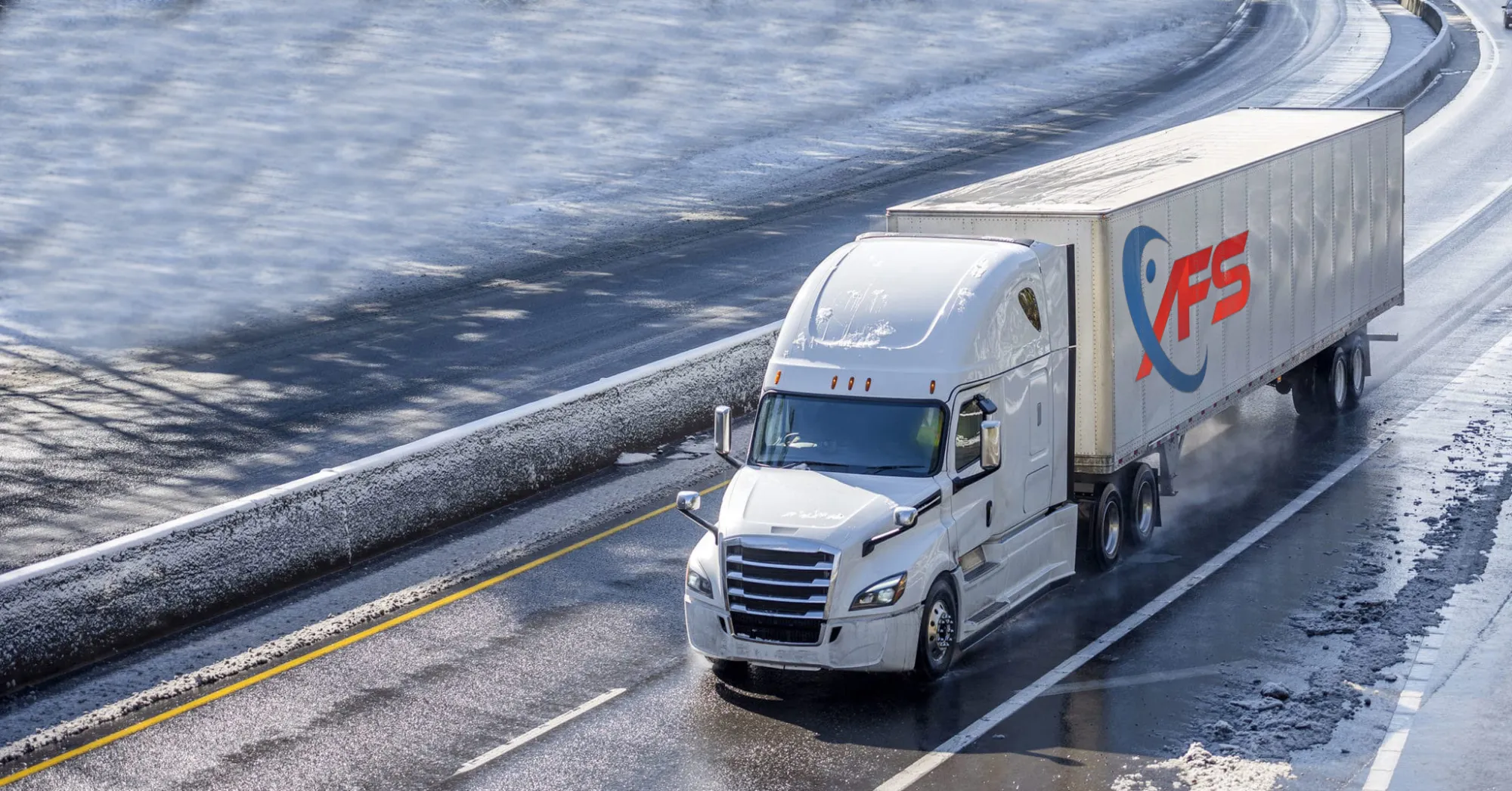

Moving products from suppliers to customers involves more than arranging transportation. Businesses must manage shipping schedules, documentation, customs requirements, cargo handling, and delivery coordination. These responsibilities can become challenging when goods travel across international borders. Working with a freight forwarder in Vancouver BC can help businesses organise these activities and maintain a more efficient supply chain.
Vancouver is an important location for international trade because of its access to major transportation routes, port facilities, and connections to markets across Canada and North America. For businesses that import or export products, having professional freight coordination can make a noticeable difference in daily operations.
What Does a Freight Forwarder Do?
A freight forwarder arranges the movement of goods from one location to another. Depending on the service provider, its responsibilities may include selecting transportation options, coordinating carriers, consolidating shipments, preparing shipping documentation, and arranging warehousing.
The Canada Border Services Agency (CBSA) also recognises freight forwarders as agents who arrange transportation and may provide additional services, including shipment consolidation and warehousing.
Rather than managing every transportation detail independently, businesses can work with a forwarding provider to coordinate different stages of the shipping process.
Why Do Businesses Need Freight Forwarding Services in Vancouver?
1. Better Transportation Coordination
Managing multiple shipments and transportation providers can take considerable time. Freight forwarding services help businesses coordinate pickups, transportation schedules, and delivery arrangements. This organised approach makes it easier to monitor shipments and manage changing delivery requirements.
2. Support With Shipping Documentation
International shipping requires accurate paperwork. Commercial invoices, packing lists, bills of lading, and other relevant documents provide important information about the goods being transported.
Incorrect or incomplete information may create customs delays. An experienced freight forwarding provider can help organise the required shipping information and coordinate with customs professionals when necessary.
3. Improved Supply Chain Management
A reliable transportation process helps businesses maintain better control over inventory movement. Freight forwarders can coordinate shipments between suppliers, warehouses, distribution facilities, and customers.
This is particularly useful for businesses handling regular imports, exports, or multiple delivery locations. Better coordination can reduce unnecessary handling and help keep products moving according to planned schedules.
4. Access to Different Shipping Options
Every business has different transportation requirements. Some shipments need full truckloads, while others may be suitable for smaller consolidated loads. International businesses may also require ocean or air freight arrangements.
A freight forwarding provider can help identify suitable transportation methods based on shipment size, destination, delivery timeline, and budget.
5. More Efficient Inventory and Warehouse Operations
Transportation and warehousing often work together. Products may need temporary storage before distribution or additional handling before reaching their final destination.
Businesses can benefit from coordinated warehousing, inventory management, and transportation services. These arrangements help maintain organised stock movement and reduce complications between storage and delivery operations.
How to Choose the Right Freight Forwarding Partner
Selecting a suitable provider requires more than comparing service prices. Businesses should consider the following factors:
Industry experience: Look for experience handling shipments similar to your products and transportation requirements.
Service availability: Check whether the provider offers the transportation and warehousing services your business needs.
Communication: Choose a company that provides clear shipment updates and responds to operational questions.
Documentation knowledge: Ask how the provider handles shipping documents and coordinates customs-related requirements.
Service flexibility: Consider whether the provider can accommodate changing shipment volumes and delivery schedules.
Checking these details before making a decision can help businesses build a dependable logistics arrangement.
How AFS Trans Co. Supports Business Logistics
AFS Trans Co. provides transportation and warehousing solutions for businesses across Canada and North America. With experience in the logistics industry, the company supports different freight and storage requirements through services such as truckload transportation, less-than-truckload shipping, logistics coordination, and dedicated warehousing.
By bringing transportation and warehousing services together, AFS Trans Co. helps businesses organise product movement and manage their supply chain requirements more effectively.
Conclusion
Choosing the right freight forwarding support can help businesses manage transportation, documentation, inventory movement, and delivery coordination. Vancouver’s position in international trade makes efficient logistics planning particularly important for companies moving goods across borders. By evaluating service experience, communication, and transportation capabilities, businesses can find a suitable logistics provider for their operational needs.
AFS Trans Co. offers transportation and warehousing solutions to support organised and dependable business logistics.
Frequently Asked Questions (FAQs)
1. What is the main purpose of a freight forwarder?
A freight forwarder arranges the transportation of goods and coordinates services such as shipment consolidation, documentation, and warehousing, depending on its capabilities.
2. Why is Vancouver important for freight forwarding?
Vancouver provides access to major port facilities and transportation connections, making it an important location for businesses involved in international trade.
3. Do freight forwarders handle customs clearance?
Some freight forwarders coordinate customs-related activities or work with licensed customs brokers. However, not every freight forwarder is a licensed customs broker.
4. How can freight forwarding reduce business costs?
Suitable transportation planning, shipment consolidation, and better coordination can help businesses control handling expenses and avoid unnecessary logistics costs.
5. What should businesses check before hiring a freight forwarder?
Businesses should review industry experience, available services, communication practices, documentation knowledge, and the provider’s ability to meet their shipping requirements.



Join the conversation