

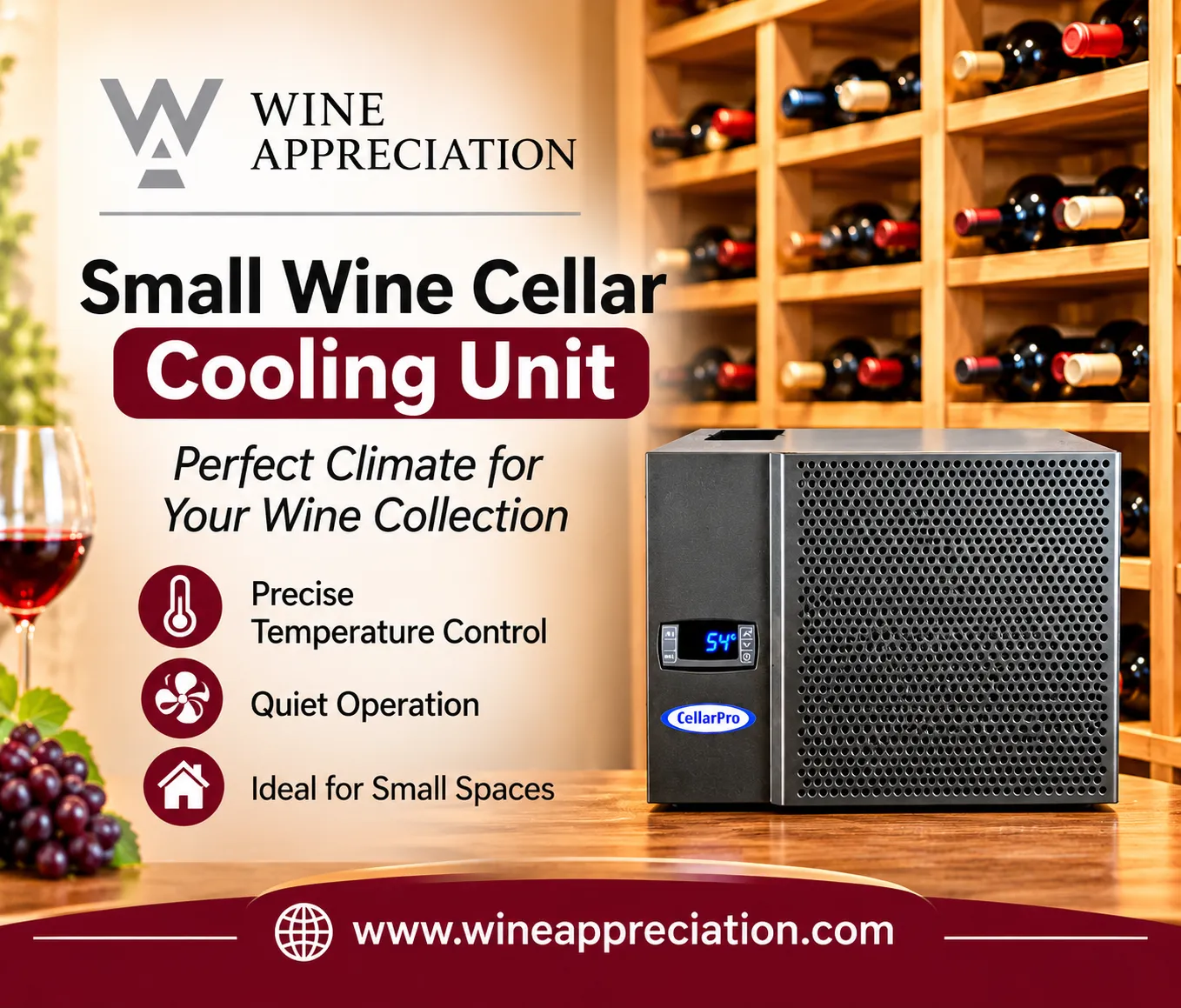

Creating a wine cellar at home does not always require a large room or an expensive storage facility. Even a small, well-planned space can provide suitable conditions for storing a wine collection. However, maintaining a stable temperature is one of the most important parts of wine storage. Temperature changes can affect wine quality over time, making proper cooling essential.
Choosing the right small wine cellar cooling unit involves more than selecting equipment based on room size. Factors such as insulation, bottle capacity, ventilation, humidity, and installation requirements all play an important role. This guide explains what homeowners should consider before investing in a cooling system.
Calculate the Size of Your Wine Cellar
Start by measuring the length, width, and height of your storage area. These measurements help determine the total room volume and provide a starting point for selecting cooling equipment.
However, room dimensions alone do not determine cooling requirements. A cellar with glass walls, exterior-facing walls, or limited insulation may require more cooling capacity than a similarly sized room with proper insulation.
Consider the number of bottles you plan to store and whether your collection is likely to grow. Planning for future storage needs can help prevent the need for an early equipment upgrade.
Check the Cooling Capacity
Cooling capacity is one of the most important factors when selecting a system. A unit that is too small may struggle to maintain the desired temperature, while an oversized system may cycle more frequently than necessary.
Before choosing equipment, consider:
Total cellar volume and ceiling height
Quality of wall, floor, and ceiling insulation
Number and size of glass doors or windows
Ambient temperature outside the cellar
Heat produced by lighting and other equipment
Review the manufacturer’s specifications and consult a wine cellar cooling professional when the room has unusual design features.
Choose the Right Cooling System
Different cooling systems suit different cellar layouts. Through-the-wall systems are commonly considered for compact storage spaces because they are relatively straightforward to install when a suitable adjoining area is available.
Ducted systems offer greater flexibility because the cooling equipment can be positioned away from the cellar. Split systems also separate indoor and outdoor components, which can help reduce equipment noise inside the storage area.
Each option has different installation, ventilation, and maintenance requirements. Compare these factors before making a final decision.
Pay Attention to Insulation and Humidity
A cooling unit cannot perform efficiently if the cellar is poorly insulated. Proper insulation helps reduce heat transfer and supports consistent temperature control.
Seal gaps around doors, walls, and ceiling joints. Use an insulated door with suitable weatherstripping, especially if the cellar connects to a warmer part of the home.
Humidity also matters. Very dry conditions can contribute to cork drying, while excessive moisture may encourage mold growth. Many wine storage environments aim for approximately 50% to 70% relative humidity, although suitable conditions depend on the cellar design and storage requirements.
Consider Noise and Energy Efficiency
If your wine cellar is close to a living room, bedroom, or home office, operating noise should be part of your decision. Check the manufacturer’s noise specifications and consider where the unit’s compressor and fans will be positioned.
Energy efficiency is another important consideration. A properly sized cooling system, quality insulation, and effective door sealing can reduce unnecessary energy use. Look for equipment with clear operating specifications and maintenance guidance.
Plan for Installation and Regular Maintenance
Correct installation helps protect the cooling system and your wine collection. Follow the manufacturer’s clearance and ventilation requirements, and make sure the equipment has a suitable location for heat discharge.
Regular maintenance should include cleaning filters and air vents, checking door seals, and monitoring cellar temperature and humidity. Pay attention to unusual noises or changes in cooling performance. Addressing small problems early can help prevent larger equipment issues.
Why Choose Wine Appreciation?
Wine Appreciation offers wine storage products and cooling solutions for different cellar layouts and collection sizes. From wine cooling equipment to storage racks and related components, the brand provides options for homeowners planning a new cellar or improving an existing one.
Selecting compatible equipment and storage components can make a meaningful difference in the long-term performance of a wine cellar.
Conclusion
Choosing the right small wine cellar cooling unit requires careful planning. Room dimensions, insulation quality, cooling capacity, ventilation, humidity, and installation requirements should all be considered before purchasing equipment. A properly selected and maintained system helps create a stable storage environment for your collection. Wine Appreciation provides wine storage products and cooling solutions to support different cellar projects. Review your space and cooling requirements, compare suitable systems, and contact Wine Appreciation for guidance when planning your wine storage setup.
Frequently Asked Questions
1. What temperature should a small wine cellar maintain?
A temperature around 55°F (13°C) is commonly recommended for long-term wine storage. Consistency is more important than frequent temperature changes.
2. How do I choose the correct cooling capacity?
Consider the cellar’s total volume, insulation, glass surfaces, surrounding temperature, and heat sources. Manufacturer specifications and professional advice can help determine the appropriate capacity.
3. Can I use a regular air conditioner in a wine cellar?
A standard air conditioner is generally not designed for wine cellar conditions. Dedicated wine cellar cooling systems are designed to maintain more suitable storage temperatures and operating conditions.
4. Does a small wine cellar need insulation?
Yes. Proper insulation helps maintain stable temperatures, reduces heat transfer, and allows the cooling system to operate more effectively.
5. How often should a wine cellar cooling unit be maintained?
Follow the manufacturer’s maintenance schedule. Regularly inspect filters, vents, door seals, and system performance to help keep the equipment operating properly.



Join the conversation