


List
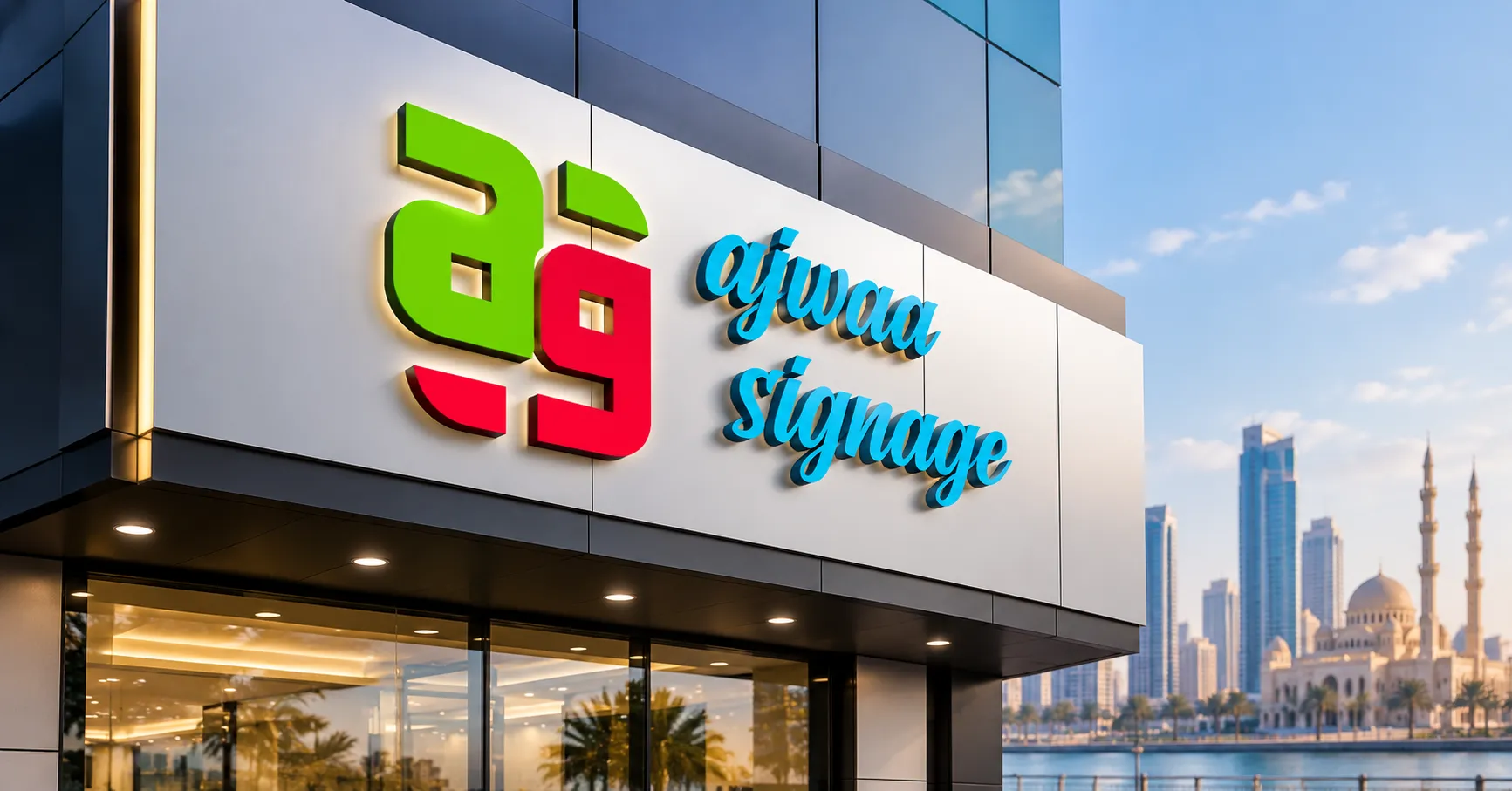
Choosing a professional 3D signboard company in Dubai enables businesses to access customized designs, advanced fabrication techniques, suitable materials, and practical installation solutions. From retail outlets and restaurants to corporate offices, clinics, salons, showrooms, and hospitality businesses, professionally designed signage can improve brand recognition and strengthen commercial visibility.
Ajwaa Signage provides customized signage solutions designed to support businesses with attractive branding, modern design concepts, and professional signboard fabrication. Understanding why professional signage matters can help business owners make better decisions regarding their storefronts, commercial spaces, and long-term branding investments.
1. Creating a Strong First Impression
A storefront signboard is often the first point of contact between a business and a potential customer. Before interacting with staff, viewing products, or exploring services, people may notice the business name, logo, colours, and overall exterior presentation.
A professionally designed three-dimensional signboard creates a more refined appearance by adding depth, texture, and visual distinction. Raised letters and carefully designed logos can make a business look more established and organized compared with ordinary flat signage.
First impressions are particularly important in competitive areas where multiple businesses operate close to one another. A clear and attractive signboard helps customers identify the establishment without confusion.
Professional signage also contributes to customer expectations. A well-maintained storefront with carefully fabricated lettering can communicate attention to detail, quality, and consistency. These visual signals can influence how customers perceive the business before making a purchasing decision.
2. Strengthening Brand Identity Through Custom Designs
Every business has its own identity, including its logo, colour palette, typography, message, and visual personality. Signage should reflect these elements rather than use generic designs that make the business appear similar to competitors.
Custom three-dimensional lettering allows companies to represent their branding through different materials, finishes, dimensions, and lighting techniques. A luxury showroom may prefer polished metallic lettering, while a modern technology company may choose minimalist acrylic letters with subtle illumination.
Professional signage designers understand how to translate a brand’s visual identity into a physical installation. They consider the proportions of the logo, letter spacing, colour consistency, placement, and readability to ensure the finished signboard accurately represents the business.
Brand consistency is also important across different marketing channels. When storefront signage matches website branding, social media graphics, business cards, and promotional materials, customers can recognize the company more easily.
This consistency creates a stronger brand presence and helps businesses establish a recognizable identity within their local commercial environment.
3. Improving Business Visibility in Competitive Locations
Dubai is known for its diverse commercial environment, where businesses compete for customer attention across shopping destinations, business districts, retail streets, hospitality areas, and residential communities. In such locations, effective signage can make a meaningful difference in how easily customers identify a business.
Three-dimensional signboards provide visual depth that can help a logo or business name stand out from surrounding surfaces. Depending on the design, raised lettering may create shadows, contrast, and a distinctive appearance that attracts attention from pedestrians and passing motorists.
Visibility depends on several factors, including:
Signboard dimensions
Lettering style and readability
Colour contrast
Installation height
Viewing distance
Surrounding architecture
Lighting conditions
Professional signage designers consider these elements before recommending a design. A signboard that looks attractive at close range may not be readable from across a street, while oversized lettering may appear unsuitable for a small storefront.
The objective is to create signage that communicates the business name clearly while maintaining visual balance with the building and surrounding environment.
4. Access to High-Quality Materials and Fabrication
Material quality directly influences the appearance, durability, and maintenance requirements of a signboard. Professional signage providers understand that different materials perform differently depending on the installation environment and design specifications.
Acrylic Signage
Acrylic is popular for contemporary commercial signage because it offers a smooth surface, versatile colour options, and compatibility with illumination. It can be used for raised letters, logos, reception signs, and decorative branding installations.
Stainless Steel Lettering
Stainless steel provides a premium and sophisticated appearance. Businesses often use it for corporate offices, hotels, luxury retail stores, showrooms, and reception areas.
Its polished, brushed, or customized finishes can create an elegant branding effect.
Aluminium Signboards
Aluminium is a practical option for many exterior applications because of its lightweight characteristics and corrosion resistance. It can be fabricated into different shapes and designs while supporting durable commercial installations.
PVC and Composite Materials
PVC and composite materials can be suitable for various indoor and outdoor signage applications. Their suitability depends on thickness, surface finishing, structural requirements, and exposure to environmental conditions.
A professional provider evaluates the purpose of the signboard before selecting materials. This helps prevent problems such as fading, surface deterioration, unsuitable mounting, or unnecessary maintenance expenses.
High-quality fabrication also involves precise cutting, smooth edges, accurate measurements, clean finishing, and consistent lettering dimensions. These details contribute to the overall professional appearance of the installation.
5. Better Illumination for Day and Night Visibility
Illuminated signage has become an important branding feature for businesses that operate during evening hours or occupy locations where visibility may be affected by surrounding lighting.
LED-based illumination can create attractive visual effects while supporting energy-efficient signage designs. Different lighting techniques provide businesses with opportunities to customize their branding.
Front-Lit Signboards
Front-lit letters use illumination that shines through the front face of the lettering. This design produces a bright, direct appearance and can make business names easy to identify.
Backlit Signboards
Backlit signage uses light behind the letters or signboard components to create a glowing effect. It can provide a modern and visually distinctive appearance.
Halo-Lit Letters
Halo lighting creates a soft glow around the edges of raised letters. It is frequently used for sophisticated corporate branding, hospitality establishments, and premium commercial spaces.
Non-Illuminated Three-Dimensional Signs
Not every business requires lighting. Non-illuminated lettering can be suitable for locations with strong natural light, indoor reception areas, or brands that prefer minimalist designs.
Professional designers consider brightness, lighting direction, colour temperature, energy requirements, and the surrounding environment. The correct illumination helps improve readability without creating excessive glare or visual distraction.
6. Customized Solutions for Different Business Industries
One of the major advantages of professional signage is the ability to develop designs according to specific business requirements.
Different industries need different branding approaches.
Retail stores: Bold lettering, attractive colours, and illuminated storefront signs can help shops communicate their identity and attract shoppers.
Restaurants and cafes: Signage may incorporate distinctive typography, warm lighting, creative logos, and designs that reflect the restaurant’s atmosphere.
Corporate offices: Businesses often prefer minimalist lettering, metallic finishes, clean layouts, and professional reception signage.
Beauty salons and clinics: Elegant acrylic lettering, soft lighting, and refined colour combinations can support a welcoming and professional environment.
Automotive showrooms: Large lettering, modern metallic finishes, and high-visibility designs can complement the appearance of vehicle display areas.
Hotels and hospitality businesses: Premium materials, sophisticated lighting, and architectural integration can create a distinctive guest experience.
Customization allows businesses to select signage that reflects their industry, customer expectations, and brand personality rather than relying on a standard design.
7. Professional Installation and Safety Standards
The quality of a signboard is not determined by design and fabrication alone. Installation is equally important because it affects stability, alignment, appearance, and safety.
Professional installation teams evaluate the surface on which the signage will be mounted. Glass, concrete, metal panels, interior walls, and building facades may require different fixing methods.
The installation process may involve:
Accurate site measurements
Structural assessment
Appropriate mounting hardware
Electrical planning for illuminated signage
Positioning and alignment
Secure attachment
Final quality inspection
Large exterior signboards require particular attention to their weight, dimensions, mounting system, and exposure to environmental conditions.
Businesses should also confirm whether their signboard design and installation require approvals from the property management, building authority, or relevant local regulatory bodies. Requirements may depend on the location, signage type, and property regulations.
A professional installation process reduces the likelihood of alignment problems, loose components, electrical issues, and avoidable repairs.
8. Long-Term Durability in Dubai’s Weather Conditions
Dubai’s environmental conditions can present challenges for outdoor signage. Strong sunlight, high temperatures, dust, humidity, and occasional rain may affect materials, finishes, and electrical components over time.
Professional signage providers consider environmental exposure when recommending materials and fabrication techniques.
Outdoor signage may benefit from:
UV-resistant materials and finishes
Suitable exterior-grade acrylic
Corrosion-resistant components
Weather-appropriate electrical protection
Durable mounting hardware
Proper sealing where required
Easy-to-maintain surfaces
Material selection should be based on the installation location rather than appearance alone.
For example, signage exposed to direct sunlight throughout the day may require different material and finishing considerations compared with signage installed beneath a covered entrance.
Businesses should also discuss cleaning and maintenance requirements. Regular maintenance can help preserve the appearance of lettering, remove accumulated dust, and maintain lighting performance.
A durable signboard can provide long-term branding value when it is designed, fabricated, installed, and maintained correctly.
9. Cost-Effective Branding and Long-Term Value
Businesses often evaluate signage based on its initial cost, but the long-term value of a signboard should also be considered. A well-fabricated sign can remain part of a business’s visual identity for an extended period, making it a valuable branding asset.
Low-cost signage may involve compromises in material quality, finishing, lighting components, or installation. These compromises can increase maintenance expenses or create the need for early replacement.
Professional signage helps businesses make more informed decisions by providing clear specifications and suitable options according to their budget.
When comparing quotations, business owners should consider:
Material quality and thickness
Design complexity
Fabrication techniques
Illumination requirements
Installation charges
Maintenance requirements
Warranty conditions
Expected lifespan
The most economical solution is not necessarily the one with the lowest initial price. A signboard that offers suitable durability, professional appearance, and reliable performance may provide greater value over time.
Businesses can also discuss different material combinations and design alternatives with their signage provider to achieve an attractive result within their budget.
10. Enhancing Customer Experience and Navigation
Signage is not only a branding tool; it also helps customers navigate commercial environments. Clear business names, entrance signs, directional signage, and interior identification signs can improve the overall customer experience.
Customers visiting unfamiliar locations often rely on visible signage to identify stores, offices, service areas, and entrances. Poorly designed or unclear signage may create confusion, especially in large commercial buildings.
Three-dimensional signs can improve navigation when they are positioned appropriately and designed with readable lettering.
For businesses with reception areas, custom wall lettering can help visitors identify the company immediately after entering. In retail environments, visible storefront signage can guide customers toward the correct entrance.
Professional signage planning considers the customer’s journey, from locating the business externally to identifying important areas inside the premises.
This approach helps create a more organized environment and supports customer convenience.
11. Keeping Up With Modern Signage Trends in 2026
Commercial branding continues to evolve as businesses adopt modern materials, creative lighting, minimalist designs, and more customized visual experiences.
Several signage trends are becoming increasingly popular for contemporary commercial spaces.
Minimalist Lettering
Clean typography, simple shapes, and carefully selected colours create a modern appearance. Minimalist signage avoids unnecessary decoration while maintaining strong brand recognition.
Metallic Finishes
Brushed gold, silver, stainless steel, and other metallic finishes can create a premium visual effect for corporate offices, showrooms, hotels, and retail businesses.
Integrated LED Lighting
Lighting is increasingly incorporated into the design itself rather than added as a separate feature. Front-lit, backlit, and halo-lit lettering can support a distinctive brand appearance.
Architectural Signage
Businesses are increasingly selecting signage that complements the architecture of their buildings. Lettering, mounting methods, colours, and materials are planned according to the surrounding design.
Customized Brand Shapes
Instead of using only standard rectangular signboards, businesses may choose custom logo shapes, individual raised letters, creative symbols, and unique dimensional elements.
Sustainable Material Considerations
Some businesses are also interested in materials, lighting systems, and fabrication approaches that support reduced waste and more efficient energy use.
Following modern trends can help a business maintain an updated appearance, but design decisions should still prioritize readability, brand identity, practicality, and long-term suitability.
12. Reliable Communication and Project Management
Professional signage projects often involve several stages, including consultation, design, measurements, fabrication, electrical work, and installation. Clear communication helps ensure that each stage is completed according to the agreed specifications.
Businesses benefit from working with providers who explain their process and keep customers informed about project progress.
A well-organized signage project typically includes:
Understanding the customer’s branding requirements
Reviewing the installation location
Preparing design concepts
Confirming dimensions and materials
Approving the quotation
Completing fabrication
Arranging installation
Conducting a final inspection
Communication is especially important when a signboard is required for a new business opening or renovation. Changes in dimensions, materials, colours, or installation conditions should be discussed before fabrication begins.
A clear project process helps minimize misunderstandings and supports a smoother experience for business owners.
13. Why Ajwaa Signage Is a Suitable Choice for Business Signage Solutions
Businesses searching for customized commercial signage need a provider that understands the relationship between visual branding, material quality, design functionality, and installation requirements.
Ajwaa Signage focuses on signage solutions designed to help businesses create a professional commercial appearance through customized lettering, modern design concepts, and practical branding approaches.
Its signage solutions can support different commercial requirements, including:
Custom 3D signboards
Illuminated business signage
Storefront branding
Office and reception signage
Commercial wall lettering
Custom logos and dimensional letters
Retail and showroom signs
Interior and exterior signage solutions
The design process should consider the business’s logo, colour scheme, preferred materials, installation location, dimensions, budget, and intended visual effect.
Businesses can explore different design concepts to identify the signage solution that best reflects their identity and complements their commercial space.
Professional signage is most effective when it is developed according to the specific requirements of the business instead of relying on generic designs.
Ajwaa Signage aims to help businesses create visually appealing signage that supports their branding goals and improves the presentation of their commercial environments.
14. How to Select the Right Signage Partner for Your Business
Before finalizing a signage project, business owners should carefully evaluate their requirements and compare providers according to quality, service, and value.
A useful evaluation process includes reviewing previous projects, examining material samples, confirming fabrication capabilities, understanding installation methods, and discussing project timelines.
Businesses should also request clear information about the quotation, warranty, and maintenance services. These details help establish realistic expectations and reduce uncertainty throughout the project.
The ideal provider should be able to explain why a particular material, lighting system, design, or installation method is suitable for the intended location.
Rather than focusing only on the appearance of a digital design, businesses should evaluate how the completed signboard will perform in its actual environment.
Professional guidance can help transform an initial branding idea into a practical signage solution that supports business visibility, customer recognition, and long-term commercial presentation.
Conclusion
Professional signage plays an important role in modern business branding, particularly in a competitive commercial environment like Dubai. From improving storefront visibility and strengthening brand identity to creating a premium appearance and supporting customer navigation, three-dimensional signage offers several advantages for businesses across different industries.
Choosing the right 3D signboard company in Dubai enables business owners to benefit from customized designs, suitable materials, advanced illumination, professional fabrication, and reliable installation. These elements work together to create signage that represents the business effectively and contributes to a memorable customer experience.
Ajwaa Signage offers customized signage solutions for businesses looking to enhance their commercial branding through modern
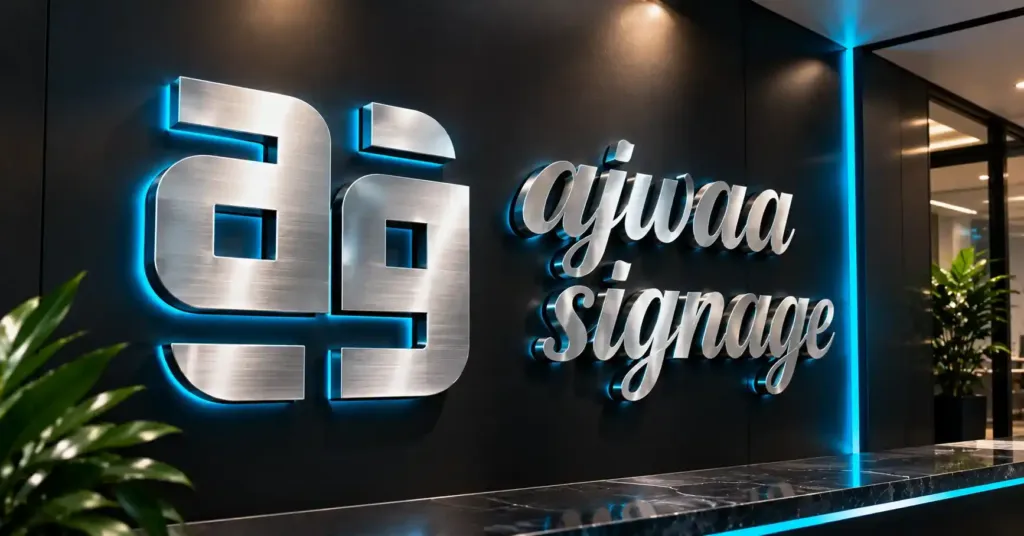
designs, dimensional lettering, illuminated signs, and professional signage concepts.
Investing in quality signboards is an investment in brand visibility, customer perception, and long-term business identity. By carefully evaluating design, materials, durability, installation, and service quality, businesses can select signage that supports their objectives throughout 2026 and beyond.
Frequently Asked Questions (FAQs)
1. Why should businesses choose professional 3D signage instead of ordinary flat signboards?
Three-dimensional signage offers depth, texture, and greater design flexibility. Raised letters and customized logos can create a distinctive visual appearance, improve brand recognition, and complement modern commercial architecture. When designed appropriately, dimensional signage can help businesses establish a more professional storefront or interior presentation.
2. Which businesses benefit most from custom 3D signboards?
Retail stores, restaurants, cafes, hotels, corporate offices, clinics, salons, showrooms, shopping centres, and commercial establishments can benefit from custom signage. The design should reflect the business’s branding, target audience, location, and architectural environment to achieve the most effective result.
3. Are LED illuminated signboards suitable for outdoor commercial use?
LED illuminated signboards can be suitable for outdoor installations when they use appropriate materials, protected electrical components, suitable mounting systems, and weather-resistant construction. Proper design and installation are important for maintaining lighting performance and durability under outdoor conditions.
4. What factors affect the cost of professional 3D signage in Dubai?
Pricing depends on signboard dimensions, material selection, letter depth, design complexity, illumination, fabrication requirements, installation location, and mounting specifications. Businesses should compare detailed quotations to understand the quality and services included rather than evaluating price alone.
5. How can a business maintain its 3D signboard for long-term performance?
Regular cleaning, periodic inspection of lighting components, checking mounting hardware, and addressing minor issues promptly can help preserve signage quality. Outdoor signboards may require additional attention due to sunlight, dust, humidity, and environmental exposure. Following the manufacturer’s maintenance recommendations can help extend the signboard’s useful life.
This blog is structured for SEO with informational and commercial intent, natural keyword variations, H2/H3 headings, company branding, and five advanced FAQs. The primary keyword is used strategically in the introduction, conclusion, and SEO context to avoid keyword stuffing.


Join the conversation