

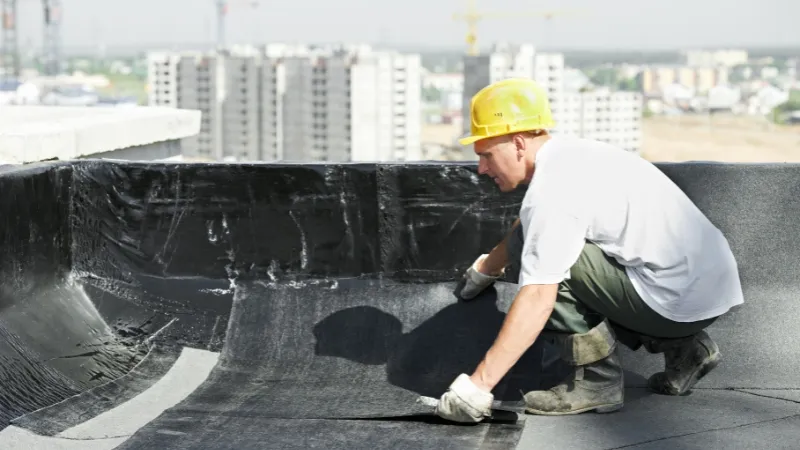

1. Singapore’s Tropical Climate Makes Balcony Waterproofing Essential
Singapore experiences frequent rainfall, high humidity, and warm temperatures throughout the year. While these weather conditions are normal, they can create challenges for residential and commercial properties, especially balconies.
Unlike indoor areas, balconies are constantly exposed to changing weather conditions. Rainwater can accumulate on the floor, enter small cracks, and gradually penetrate the underlying concrete if the waterproofing system is damaged or poorly installed.
Over time, continuous moisture exposure can weaken protective layers and create leakage problems. This is why balcony waterproofing should be considered an essential part of property maintenance rather than an optional improvement.
A properly installed waterproofing system creates a protective barrier that prevents water from entering the building structure and helps maintain the overall condition of the property.
2. Prevents Water Leakage into Indoor Areas
One of the most common balcony problems is water leakage into adjacent indoor spaces. When balcony waterproofing fails, rainwater may penetrate the flooring and travel through the concrete slab.
This can eventually affect:
Living room ceilings and walls
Bedrooms connected to balconies
Interior flooring and skirting
Walls surrounding balcony doors
Lower-floor ceilings in multi-storey buildings
Water leakage can be particularly frustrating because the source of the problem may not always be visible. A small crack in the balcony floor or a damaged waterproofing membrane can allow moisture to travel beneath the surface.
Professional waterproofing helps identify vulnerable areas and prevents water from spreading into surrounding spaces.
If you notice damp patches, peeling paint, or unexplained moisture near your balcony, it may be time to arrange a professional inspection.
3. Protects the Structural Integrity of the Building
Balcony waterproofing is not only about keeping floors dry. It also plays an important role in protecting the building’s structural components.
Most balconies use reinforced concrete slabs. When water repeatedly penetrates these structures, moisture can reach the embedded steel reinforcement.
Over time, corrosion of reinforcement may cause concrete deterioration, cracking, and other structural concerns. This process can become expensive to address if it remains unnoticed for an extended period.
Effective waterproofing reduces prolonged water exposure and helps protect concrete surfaces and reinforcement from moisture-related deterioration.
For Singapore property owners, taking preventive measures can reduce maintenance expenses and help preserve the long-term condition of the building.
4. Prevents Mould and Mildew Growth
Singapore’s humid environment can encourage mould and mildew growth in areas affected by persistent moisture.
When balcony water enters nearby walls or flooring, damp conditions may develop behind tiles, beneath floor finishes, or along interior wall surfaces.
Common warning signs include:
Dark patches on walls or ceilings
Musty or unpleasant odours
Peeling or bubbling paint
Persistent dampness
Visible mould around balcony entrances
Apart from affecting the appearance of a property, mould can negatively affect indoor air quality and may trigger allergic reactions or respiratory irritation in sensitive individuals.
Balcony waterproofing helps control moisture penetration, reducing the conditions that encourage mould development.
However, existing mould and dampness should also be properly assessed and addressed rather than simply covered with fresh paint.
5. Prevents Damage to Balcony Tiles and Flooring
Balcony flooring is regularly exposed to rainwater, sunlight, temperature changes, and everyday foot traffic.
Without effective waterproofing, water can enter through damaged grout lines, tile joints, and small surface cracks. This moisture may gradually affect the bonding materials beneath the tiles.
Over time, property owners may notice:
Loose or hollow-sounding tiles
Cracked floor finishes
Discoloured grout
Water pooling on the surface
Damaged tile joints
Replacing balcony tiles can involve significant labour and material expenses. In some situations, the underlying waterproofing layer may also need to be repaired or replaced.
A professionally installed waterproofing system helps protect the flooring assembly and reduces the risk of water-related deterioration.
Proper surface preparation, suitable waterproofing materials, and appropriate drainage are important factors in achieving reliable results.
6. Improves Balcony Drainage and Prevents Water Pooling
Even when a balcony has a waterproofing membrane, poor drainage can still create problems.
Balconies should have an appropriate slope that allows rainwater to flow towards designated drainage outlets. If the floor is uneven or the drainage system becomes blocked, water may remain on the surface for extended periods.
Standing water increases the likelihood of moisture-related problems, particularly when existing waterproofing materials are worn or damaged.
Professional balcony waterproofing assessments typically consider several important areas:
Floor Gradient: The balcony floor should direct water towards the drainage outlet.
Drainage Outlets: Drains should be free from obstructions and allow water to flow efficiently.
Wall-Floor Junctions: These areas require careful waterproofing because they are common locations for water penetration.
Expansion and Movement Joints: Appropriate sealing helps accommodate movement and reduces the risk of water entering through joints.
Addressing drainage problems alongside waterproofing creates a more reliable solution than simply applying a protective coating to the floor.
7. Reduces Long-Term Property Maintenance Costs
Many property owners delay waterproofing repairs because they believe the problem is minor. However, ignoring early warning signs can lead to more extensive damage.
For example, a small balcony leak may initially require only localised waterproofing repairs. If the issue continues, it could eventually affect interior walls, ceilings, flooring, and concrete components.
This may result in additional expenses for:
Removing and replacing damaged tiles
Repairing concrete surfaces
Repainting affected walls and ceilings
Treating moisture-related damage
Replacing damaged interior finishes
Restoring affected neighbouring areas
Preventive maintenance is generally more manageable than dealing with extensive water damage.
Working with a professional Waterproofing Specialist in Singapore allows property owners to identify potential problems early and select appropriate repair solutions.
Regular inspections can also help identify ageing waterproofing systems before they develop serious leakage issues.
8. Increases Property Value and Maintains Its Appearance
A well-maintained balcony can improve the overall appeal of a residential or commercial property.
Potential buyers and tenants often consider the property’s maintenance condition when evaluating a space. Visible water stains, damaged tiles, mould, and peeling paint can create concerns about hidden maintenance problems.
On the other hand, a properly maintained balcony demonstrates that the property has received appropriate care.
Effective waterproofing helps:
Maintain clean and attractive balcony surfaces
Reduce visible water damage
Protect interior finishes
Support long-term property maintenance
Improve the overall condition of the building
Although waterproofing does not guarantee a higher selling price, it can help preserve the property’s condition and make it more attractive to prospective buyers or tenants.
9. Protects Neighbouring Units in Apartment Buildings
Balcony leakage is particularly important in condominiums and apartment buildings because water penetration may affect neighbouring properties.
For example, rainwater entering through a damaged balcony waterproofing system may travel into the ceiling of the unit below.
This can create inconvenience for neighbouring residents and potentially lead to disagreements about maintenance responsibilities.
In many multi-storey residential developments, balcony waterproofing issues require careful investigation because the visible damage may appear in a different location from the original leakage source.
Professional assessment helps determine where the water is entering and which areas require attention.
Property owners should also check their building management’s requirements before arranging major waterproofing work, particularly in condominiums and strata-titled developments.
10. Professional Waterproofing Provides More Reliable Results
Balcony waterproofing involves more than applying a waterproof coating to a visible surface.
A successful solution requires an understanding of the existing waterproofing system, surface condition, drainage arrangement, and potential leakage pathways.
This is where experienced professionals can make a difference.
Allseal Waterproofing PTE Ltd provides waterproofing-related services for property owners looking to address water leakage and protect their buildings against moisture-related problems.
When selecting a contractor, consider the following factors:
Experience and Technical Knowledge
Choose a contractor with relevant experience in balcony waterproofing and different types of water leakage problems.
An experienced professional should understand common failure points, including tile joints, drainage outlets, wall connections, and concrete cracks.
Proper Inspection
A reliable contractor should assess the affected area before recommending a repair method.
Simply applying waterproofing materials without identifying the actual source of leakage may not solve the underlying problem.
Suitable Waterproofing Materials
Different balcony surfaces and conditions may require different waterproofing systems. Material selection should consider surface compatibility, exposure conditions, and the intended application.
Clear Scope of Work
Before starting a project, ask for a clear explanation of the proposed repair process, materials, preparation requirements, and expected completion time.
Workmanship and Warranty Information
Discuss workmanship standards and any applicable warranty terms. Understanding what is covered can help property owners make informed decisions.
Choosing the right professional helps reduce the likelihood of recurring problems and supports better long-term maintenance.
11. Common Signs Your Balcony Needs Waterproofing Repairs
Recognising early warning signs can help prevent minor problems from becoming expensive repairs.
Here are some indicators that your balcony may need professional attention:
Water Stains: Brown or yellowish marks around balcony walls, ceilings, or adjoining indoor areas may indicate moisture penetration.
Cracked Grout: Damaged grout lines can create pathways for rainwater to enter beneath the tiles.
Peeling Paint: Bubbling or peeling paint near balcony entrances may indicate moisture trapped behind the surface.
Loose Tiles: Tiles that become loose or sound hollow may suggest problems with the underlying flooring system.
Persistent Dampness: Balcony surfaces that remain damp long after rainfall may require further inspection, particularly if drainage is poor.
Water Leakage Below the Balcony: Water stains on the ceiling of the unit below may indicate a balcony waterproofing problem.
If you notice any of these signs, arranging an inspection is a sensible step. Early investigation can help identify the cause and prevent unnecessary repair work.
12. How Often Should Balcony Waterproofing Be Inspected?
There is no single inspection schedule that applies to every property. The condition of the waterproofing system depends on factors such as building age, material quality, weather exposure, installation standards, and maintenance history.
However, regular visual inspections are useful for identifying early signs of deterioration.
Property owners should pay particular attention to balcony surfaces after periods of heavy rainfall and whenever they notice changes in drainage performance.
It is also worth arranging a professional assessment when:
The property has an ageing waterproofing system.
Balcony tiles have become loose or cracked.
Water leakage has appeared in adjacent rooms.
Previous waterproofing repairs have failed.
The balcony has undergone renovation work.
Regular maintenance helps property owners understand the condition of their balconies and make informed decisions about necessary repairs.
Why Choose Allseal Waterproofing PTE Ltd?
Choosing a suitable waterproofing contractor is an important part of protecting your property from water damage.
Allseal Waterproofing PTE Ltd understands the importance of addressing waterproofing concerns with appropriate inspection, suitable materials, and professional workmanship.
Whether you are dealing with balcony leakage, damaged waterproofing, or moisture penetration, seeking professional advice can help you identify the underlying issue and determine an appropriate solution.
Rather than waiting until water damage becomes more extensive, property owners should consider taking preventive action when early warning signs appear.
Working with a qualified Waterproofing Specialist in Singapore can help ensure that balcony waterproofing concerns are properly assessed and addressed.
Conclusion
Balcony waterproofing protects Singapore properties from water leakage, mould, concrete deterioration, and costly repairs. Regular inspections and professional maintenance help preserve building conditions. Contact Allseal Waterproofing PTE Ltd to discuss suitable waterproofing solutions for your property.



Join the conversation