

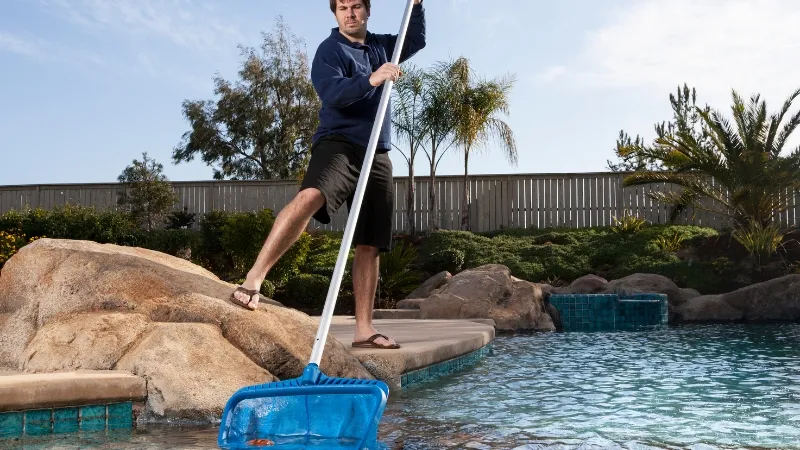

Why Regular Swimming Pool Maintenance Matters
A swimming pool is constantly exposed to environmental factors, including sunlight, rain, dust, leaves, and changing temperatures. Over time, these elements can affect water quality, pool surfaces, filtration systems, and other essential components.
Without proper maintenance, minor issues can gradually develop into expensive problems. For example, unbalanced pool water may damage surfaces and equipment, while neglected filtration systems can reduce circulation efficiency.
Regular maintenance helps prevent these problems before they become serious. Professional technicians follow a structured maintenance routine to keep every part of the pool in good condition.
Some important benefits include:
Maintaining balanced and hygienic pool water.
Preventing algae growth and water contamination.
Protecting pool surfaces from premature deterioration.
Improving the performance of pumps and filtration systems.
Reducing unexpected repair and replacement expenses.
Extending the overall lifespan of swimming pool equipment.
Investing in professional maintenance is not simply about keeping the pool looking attractive. It is about protecting the entire swimming pool system.
1. Maintaining Proper Water Chemistry Protects Pool Surfaces
Water chemistry plays an important role in determining how long a swimming pool remains in good condition. Incorrect chemical levels can gradually damage pool surfaces, metal components, plumbing connections, and other materials.
For example, water with an excessively low pH level can become corrosive. It may damage metal fixtures, affect grout, and contribute to the deterioration of certain pool materials. On the other hand, excessively high pH levels can encourage mineral deposits and scaling.
Professional pool maintenance technicians regularly test and balance essential water parameters, including:
pH levels: Help maintain comfortable and properly balanced swimming water.
Chlorine levels: Support effective disinfection and help control harmful microorganisms.
Total alkalinity: Helps stabilise pH levels and prevent sudden fluctuations.
Calcium hardness: Helps reduce the risk of corrosion and mineral scaling.
Water clarity: Provides an indication of filtration and overall water condition.
Maintaining the correct chemical balance protects the pool’s internal surfaces and equipment from unnecessary stress.
For Singapore properties, where swimming pools are exposed to warm and humid conditions, consistent water testing is particularly important. Professional maintenance helps ensure that water chemistry remains within appropriate operating ranges.
2. Regular Cleaning Prevents Surface Deterioration
Dirt, leaves, insects, dust, and other debris can accumulate in swimming pools over time. If these materials are not removed regularly, they can affect water quality and contribute to surface staining.
Organic debris may also encourage algae growth and increase the demand for sanitising chemicals. When algae develop on pool walls and floors, removing them can become more difficult.
Professional cleaning generally includes:
Skimming floating debris from the water.
Vacuuming dirt and sediment from the pool floor.
Brushing pool walls, steps, and corners.
Cleaning waterline tiles.
Removing accumulated debris from difficult-to-reach areas.
Inspecting visible surfaces for stains, cracks, or unusual changes.
These activities help maintain the appearance and condition of the swimming pool.
Regular brushing is especially important because algae and dirt can attach themselves to pool surfaces. Removing these deposits early helps prevent stubborn buildup and reduces the need for aggressive cleaning methods.
A properly maintained pool surface can remain attractive and functional for many years.
3. Protecting Pool Pumps and Filtration Systems
The pump and filtration system are among the most important components of any swimming pool. They work together to circulate water and remove unwanted particles.
When these systems operate efficiently, water can pass through the filtration equipment and return to the pool in better condition.
However, neglected equipment may experience several problems, such as:
Blocked pump baskets.
Dirty or clogged filters.
Reduced water circulation.
Unusual operating noise.
Leaks around equipment connections.
Increased energy consumption.
Professional technicians inspect these components during scheduled maintenance visits.
They may clean pump baskets, check filter conditions, inspect visible connections, and monitor water circulation. Depending on the filtration system, cleaning or backwashing may also be necessary.
Why does this matter for pool longevity?
When pumps and filters operate under unnecessary strain, their components may experience additional wear. Regular inspections help identify developing problems and allow timely servicing.
This reduces the likelihood of major equipment failures and helps extend the useful life of the pool’s circulation system.
4. Preventing Algae Growth and Water Contamination
Algae growth is a common swimming pool maintenance problem, particularly in warm environments. Singapore’s tropical climate makes consistent pool care important throughout the year.
Algae can develop when sanitiser levels are inadequate, circulation is poor, or pool surfaces are not cleaned regularly.
Different types of algae may appear in swimming pools, including green, yellow, and black varieties. Once established, algae can spread across pool walls, floors, and other surfaces.
Professional maintenance helps control algae through several preventive measures:
Regular water chemistry testing.
Maintaining appropriate sanitiser levels.
Brushing pool walls and floors.
Checking filtration and circulation performance.
Removing debris and organic materials.
Addressing early signs of algae growth.
Preventing algae is generally easier than dealing with a widespread outbreak.
It also protects pool surfaces from persistent staining and reduces the likelihood of needing intensive cleaning treatments.
A professional maintenance routine keeps the pool cleaner while supporting the long-term condition of its internal surfaces.
5. Early Detection Helps Prevent Expensive Structural Damage
Swimming pools contain several structural components that require regular inspection. These may include concrete structures, tiles, grout, waterproofing systems, coping, and surrounding pool finishes.
Over time, environmental exposure and normal wear can cause cracks, loose tiles, damaged grout, or other visible defects.
Small problems may not immediately affect the pool’s operation. However, ignoring them can lead to more complicated repairs.
For example, damaged grout may allow water to enter unwanted areas. Similarly, cracks or deteriorating finishes may indicate that further inspection is necessary.
Professional technicians can identify visible warning signs during routine maintenance.
Common issues worth monitoring include:
Cracked or loose tiles.
Missing or deteriorating grout.
Unusual water loss.
Damaged pool edges.
Surface discolouration.
Signs of corrosion around metal fittings.
Changes in the surrounding pool area.
It is important to understand that routine maintenance inspections do not replace specialist structural assessments. When technicians identify potentially serious defects, they can recommend further investigation by qualified professionals.
Early intervention is one of the most effective ways to protect a swimming pool investment. Addressing minor defects promptly can help prevent more extensive deterioration and expensive restoration work.
6. Maintaining Proper Water Circulation
Water circulation is essential for maintaining a healthy swimming pool. It allows sanitising chemicals to distribute throughout the water and helps move suspended particles towards the filtration system.
Poor circulation can create areas where dirt, debris, and algae accumulate. Certain sections of the pool may also experience inconsistent water treatment.
Several factors can affect circulation, including blocked skimmer baskets, dirty filters, pump problems, and incorrectly functioning return fittings.
Professional maintenance helps ensure that the circulation system operates as intended.
Technicians can inspect water movement, clean relevant components, check pump performance, and identify potential obstructions.
Proper circulation provides several long-term benefits:
Supports consistent water quality.
Helps distribute pool chemicals evenly.
Reduces the accumulation of dirt and debris.
Improves filtration performance.
Helps prevent unnecessary strain on equipment.
Maintaining effective circulation also reduces the possibility of persistent water quality problems that may require intensive treatment.
7. Reducing Equipment Wear and Unexpected Breakdowns
Swimming pool equipment operates regularly, and continuous use naturally creates wear over time. Pumps, filters, valves, lighting systems, and other components all require appropriate attention.
Without scheduled inspections, small mechanical problems may remain unnoticed until equipment performance is seriously affected.
For instance, an unusual pump noise may indicate a developing mechanical issue. A leaking connection may gradually worsen, while a dirty filter can restrict water flow.
Professional servicing helps identify these concerns early.
A typical equipment inspection may involve:
Checking pump operation.
Inspecting visible pipe connections.
Monitoring filter performance.
Examining valves and fittings.
Looking for signs of leakage.
Checking accessible electrical components through appropriate qualified personnel.
Recommending servicing when necessary.
Preventive maintenance does not mean that equipment will never fail. However, it can reduce avoidable problems and help owners make informed decisions about repairs and replacements.
This is particularly valuable for commercial swimming pools, condominiums, hotels, and other properties where equipment failure can interrupt regular pool usage.
8. Professional Maintenance Helps Reduce Long-Term Costs
Some swimming pool owners avoid professional maintenance because they believe doing everything themselves will save money.
Although basic cleaning tasks can be handled independently, overlooking technical maintenance may result in higher expenses later.
For example, failing to maintain water chemistry can contribute to surface deterioration. Ignoring filtration problems may place additional strain on the pump. Delayed repairs can also turn relatively minor defects into more expensive projects.
Professional maintenance helps reduce these risks through planned inspections and timely servicing.
The long-term financial benefits may include:
Fewer emergency repairs: Regular inspections help identify potential problems before they become serious.
Longer equipment life: Proper servicing supports the performance of pumps, filters, and other essential components.
Reduced chemical wastage: Correct water testing helps avoid unnecessary chemical adjustments.
Lower restoration costs: Early attention to surface defects may prevent more extensive deterioration.
Better maintenance planning: Pool owners can plan repairs and replacements instead of dealing with unexpected failures.
Professional maintenance should therefore be viewed as a long-term investment rather than an unnecessary operating expense.
9. Why Singapore’s Climate Makes Professional Pool Maintenance Important
Singapore experiences a tropical climate with consistently warm temperatures, high humidity, and frequent rainfall. These conditions can influence swimming pool maintenance requirements.
Warm temperatures can encourage algae growth when water treatment and circulation are inadequate. Heavy rainfall may introduce additional debris and affect pool water chemistry.
Outdoor pools may also accumulate leaves, dust, and other contaminants more quickly.
These environmental factors make regular maintenance particularly important for residential and commercial swimming pools.
A professional maintenance schedule can be adjusted according to the pool’s location, usage, size, and equipment requirements.
For example, a frequently used condominium pool may require more attention than a small private residential pool. Similarly, an outdoor pool surrounded by trees may need more frequent debris removal.
Working with a Swimming Pool Maintenance Contractor in Singapore allows property owners to receive maintenance support that considers local environmental conditions and the specific requirements of their swimming pool.
10. Creating a Consistent Maintenance Schedule
Consistency is one of the most important factors in extending a swimming pool’s lifespan. Occasional cleaning may improve the pool’s appearance temporarily, but it cannot replace a structured maintenance programme.
A professional schedule helps ensure that important maintenance activities are completed at appropriate intervals.
Here is an example of a general swimming pool maintenance checklist:
Skimming floating debris
Daily or several times weekly
Checking water chemistry
Several times weekly or as required
Cleaning skimmer baskets
Weekly or as required
Brushing pool walls and floors
Weekly
Vacuuming the pool
Weekly or as required
Inspecting pump operation
Regularly
Checking filtration performance
Regularly
Inspecting tiles and grout
Monthly
Reviewing overall equipment condition
Periodically
These are general recommendations rather than fixed requirements. The actual frequency depends on pool usage, environmental exposure, equipment specifications, and water conditions.
A professional contractor can recommend a suitable maintenance plan based on these factors.
11. Why Choose a Professional Swimming Pool Maintenance Service?
Swimming pool maintenance involves more than removing leaves and keeping the water clear. It requires knowledge of water chemistry, filtration systems, circulation, equipment performance, and general pool care.
Professional technicians have the experience to identify maintenance issues that may not be obvious to property owners.
When selecting a contractor, consider the following factors:
Experience and Technical Knowledge
Choose a service provider with relevant experience in maintaining different types of swimming pools. Knowledge of residential and commercial pool systems can be particularly useful.
Comprehensive Maintenance Services
Look for a contractor that offers essential services such as water testing, cleaning, equipment inspections, and general maintenance.
Consistent Service Schedule
A reliable maintenance provider should follow an organised schedule and communicate any identified problems.
Transparent Recommendations
Professional contractors should explain maintenance requirements and recommend repairs based on actual observations rather than unnecessary replacements.
Understanding of Local Conditions
A contractor familiar with Singapore’s climate can help develop maintenance routines that address common environmental challenges.
Infinity Pool Services Pte Ltd understands the importance of maintaining swimming pools through regular care and professional attention. Choosing a suitable maintenance partner can make it easier to protect your pool investment and maintain its long-term performance.
12. How Infinity Pool Services Pte Ltd Helps Protect Your Pool Investment
Maintaining a swimming pool over many years requires attention to water quality, cleanliness, equipment performance, and general condition.
Infinity Pool Services Pte Ltd focuses on the importance of consistent swimming pool care to help property owners maintain clean, functional, and well-maintained pools.
Professional maintenance support can help pool owners address everyday maintenance requirements while identifying potential concerns that may need further attention.
Whether you manage a residential swimming pool or a commercial facility, having an organised maintenance routine makes pool management more convenient.
By choosing an experienced Swimming Pool Maintenance Contractor in Singapore, property owners can benefit from professional attention to important pool components and reduce the risks associated with neglected maintenance.
The objective is simple: maintain the pool properly today to help avoid unnecessary problems tomorrow.
Conclusion
Professional pool maintenance protects surfaces, equipment, and water quality while helping extend your swimming pool’s lifespan. Regular servicing also reduces unexpected repair costs. For dependable pool care, Infinity Pool Services Pte Ltd can help you maintain your swimming pool with professional support in Singapore.



Join the conversation