


It only takes a few seconds before a slip and fall occurs,
yet the injuries sustained could impact your health, earnings, and everyday
life over the next few months. It could be in a grocery store, on a walkway
that is poorly maintained, or in an apartment building, and the question that
is important is who was in charge of ensuring that the property is reasonably
safe. Learning the principles of liability may assist you in taking the next
step and deciding when to consult a lawyer.
How a California Slip and Fall Lawyer Determines Whether a
Property Owner Was Negligent
Not all falls are necessarily the fault of property owners.
Liability is usually based on their failure to exercise reasonable care to keep
the premises safe or deal with a dangerous condition.
A California
slip and fall lawyer can look at whether the owner was aware of the
hazard, or should have been aware of the hazard, and had a reasonable chance to
fix it or warn of the hazard.
Important questions include:
●
Was
the dangerous condition foreseeable?
●
Did
the owner conduct reasonable inspections?
●
Was
a warning sign or barrier needed?
●
Did
the hazard contribute to the injury?
Which Hazardous Conditions Commonly Lead to Slip and Fall
Accidents in California?
A lot of falls occur due to the improper maintenance of a
property. Common hazards include:
●
Wet
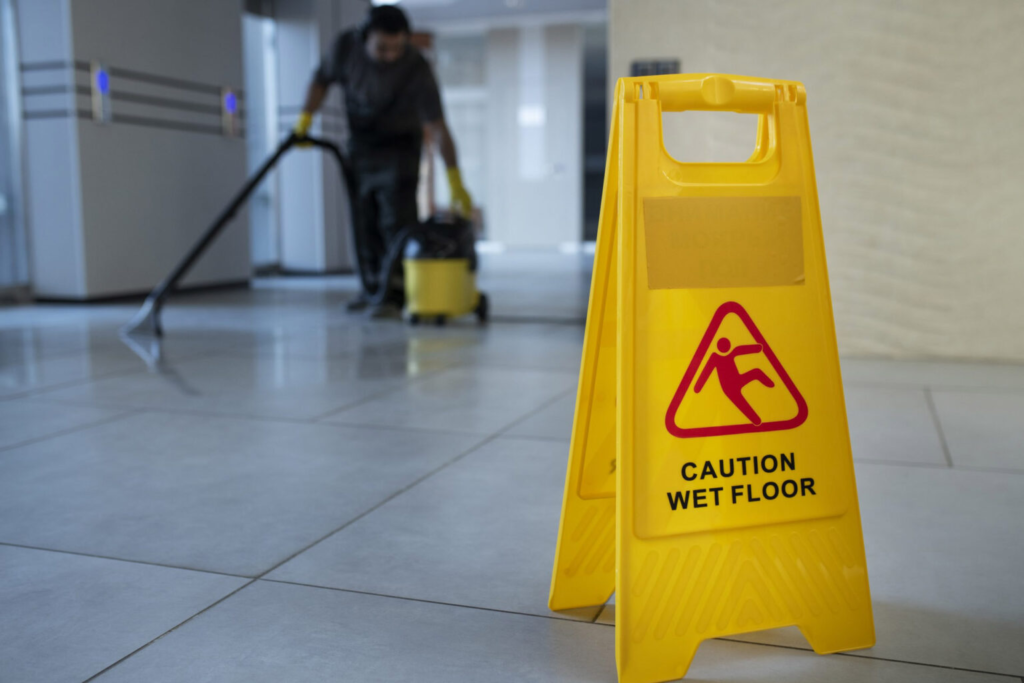
floors without warning signs or timely cleanup.
●
Cracked
sidewalks, loose tiles, and uneven pavement.
●
Poor
lighting in stairwells, hallways, and parking areas.
●
Broken
handrails, damaged steps, and cluttered walkways.
●
Spills
or debris left in aisles and entrances.
The circumstances matter. The duty of a property owner
varies based on the hazard at hand, the conditions surrounding the hazard, and
the existence of reasonable precautions.
What Evidence Should You Collect Before Speaking With a
California Slip and Fall Attorney?
Evidence can assist in determining the cause of the fall and
who might have caused it. Provided that you can do it safely, collect
information shortly after the incident.
Try to collect:
●
Photographs
of the hazard, surrounding area, and any warning signs.
●
Names
and contact details of witnesses.
●
The
date, time, and exact location of the fall.
●
A
copy of any incident report submitted to the property manager or business.
Do not repair or change anything that may be used as
evidence. Be truthful and consistent with your version of the incident.
How Do Property Inspection Records and Surveillance Footage
Support a Slip and Fall Claim?
Inspection records, maintenance history, and security videos
can assist in demonstrating the duration of the hazard and whether the property
owner had a chance to deal with it or not. As an illustration, a video can
depict a spill lying on a store floor as workers pass by it.
A California
slip and fall attorney can look into these records to see whether
reasonable safety procedures were observed. If case footage or documents might
be significant, ask them to save it immediately since companies might
habitually erase or write over records.
Can a Business Be Liable for Injuries Caused by Wet Floors,
Uneven Pavement, or Poor Lighting?
Yes, a business can be responsible when its negligence leads
to a fall injury. But liability is not based on the mere presence of a hazard
but on the circumstances.
A business could be subjected to a claim when the business
does not clean a spill in a reasonable time, fix a hazardous walkway, or
provide sufficient lighting. The responsibility can also be given to property
owners, landlords, or maintenance contractors, based on who had control over
the area and should have taken action to resolve the issue.
How Can Comparative Negligence Affect Compensation in a
California Slip and Fall Case?
California has a comparative negligence system. Even when an
injured individual is found to have caused the accident through his or her
actions, he or she can still receive compensation. Nonetheless, they can be
paid less based on their portion of blame.
To illustrate, in the case of damages worth 50,000 and the
injured individual is found to be 20% at fault, the recovery would be limited
to 40,000. The result is dependent on the evidence and the case scenario.
What Medical Records and Expense Receipts Should You Keep
After a Fall Injury?
Record the details of your injuries, treatment, and
financial loss. These facts can be used to relate the accident to its outcomes.
Save the following:
●
Medical
reports, diagnostic results, and treatment records.
●
Hospital
bills, prescription receipts, and rehabilitation expenses.
●
Pay
stubs or employer records showing missed work.
●
Records
of travel costs for medical appointments.
●
Notes
describing pain, mobility problems, and daily limitations.
Go to the doctor immediately, although your symptoms may not
appear to be problematic at first. Certain injuries are more evident with time.
How Long Do You Have to File a Slip and Fall Lawsuit in
California?
Most California personal injury cases have a two-year
deadline to file a lawsuit. Nevertheless, there can be exceptions based on the
situation.
Cases against government agencies usually require an
administrative claim within six months of the injury. There are various
regulations that can be imposed on minors and in some other circumstances.
Missing a deadline may also compromise your right to compensation, and
therefore you should seek legal advice as soon as possible as opposed to when
the deadline is nearing.
The responsibility for a fall cannot be determined by the
location of the fall. Medical records, maintenance practices, evidence, and the
actions of all the people involved can have an impact.
E&R Law may be a place to begin considering your legal
rights in case you have suffered an injury due to a possibly unsafe property.
Go to their site to find out more about their personal injury services and
think about discussing your case with their staff before vital evidence is lost
or deadlines to file claims run out.



Join the conversation