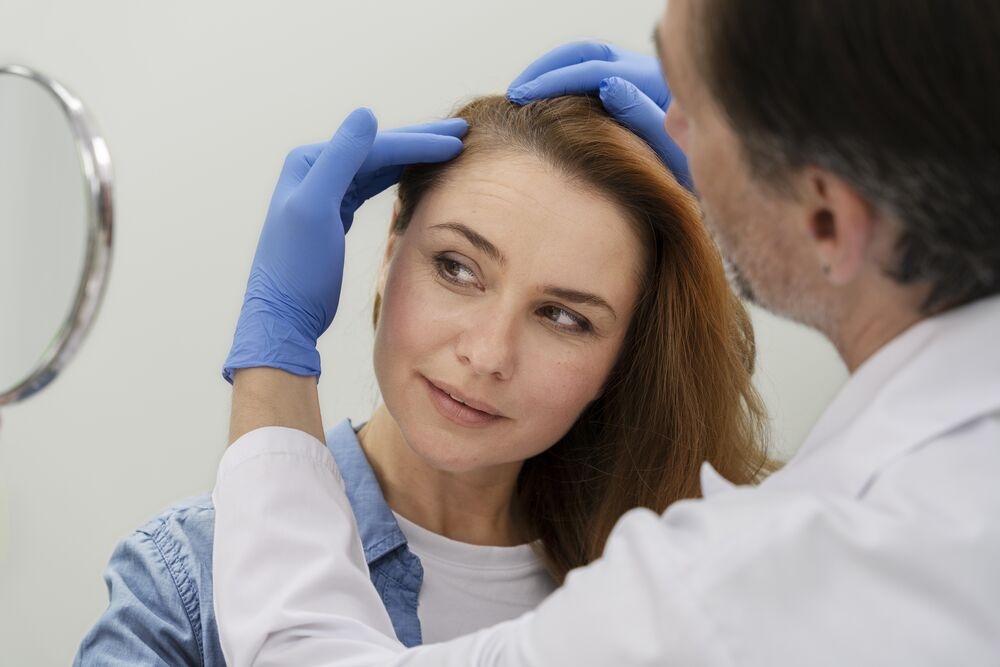

Noticing more of your scalp when you look in the mirror can be upsetting. Perhaps your part looks wider than it used to, or your hair no longer feels as full when you tie it back. You may have tried changing your hairstyle, using different products, or finding ways to cover the thin areas. Yet, the concern may still be there.
For women dealing with these changes, scalp micropigmentation (SMP) offers another option to consider. This cosmetic treatment uses small dots of pigment to make the scalp less noticeable and create the appearance of fuller hair. However, deciding whether it is right for you involves more than looking at before-and-after photos.
Here are some important things to understand before taking the next step.
Start by Understanding What You Want to Change
Before exploring any treatment, take a moment to think about what bothers you most about your hair.
Is your scalp easier to see along your part line? Does your crown look thinner in bright light? Do you feel less comfortable tying your hair up because some areas look thin?
These things matter because scalp micropigmentation works differently for everyone. For women who still have hair, SMP can make it look fuller by adding tiny pigment dots between the existing hairs. This helps make the scalp less visible. The goal is not to make your hair look completely different. It is to create a more balanced appearance that works with your natural hair. Having a clear idea of what you want to improve also makes it easier to explain your expectations during a consultation.
Your Natural Hair Pattern Should Guide the Treatment
One of the most important parts of SMP is understanding how your hair naturally grows and falls. Women may experience thinning along the centre part, around the crown, near the temples, or across larger areas of the scalp. Some have plenty of hair remaining, while others have more visible gaps.
Each situation calls for a different approach.
For example, a woman with a widening part may benefit from carefully placed pigment that makes the scalp less noticeable without changing the natural shape of the part. Someone with thinning around the crown may need a plan that covers a wider area. The practitioner should also consider how you usually wear your hair. A treatment that looks balanced with your hair down should still suit your preferred hairstyles as much as possible.
This is why a personalised treatment plan matters more than simply choosing a popular technique.
Density Fill SMP: What Makes It Worth Considering?
When hair is still present, but the scalp shows through, density fill SMP may be an option worth discussing. The technique involves placing small dots of pigment between existing hairs to create the appearance of greater coverage. Unlike treatments designed to create the look of a closely shaved head, density fill works with the hair you already have.
People researching density fill SMP for women Los Angeles may find this approach relevant if their main concern is visible scalp rather than complete hair loss. However, the treatment has limits. It does not grow new strands, increase actual hair thickness, or stop the underlying cause of hair loss. It changes how the scalp looks by reducing the visual difference between the skin and surrounding hair.
Look Beyond the Before-and-After Photos
Photos can give you an idea of what SMP can do, but they do not show everything. Lighting, camera angles, and hairstyles can change how the results look. A freshly treated scalp may also look different from one that has healed. When checking a practitioner’s work, look for photos of women with similar hair thinning. Check whether the pigment blends well with their natural hair and looks soft and natural.
Five Questions to Ask Before Booking
A consultation should give you enough information to make a confident decision. Instead of focusing only on price, use the appointment to understand the treatment and the person performing it.
Consider asking these questions:
- How much experience do you have treating women with thinning hair? Experience with different female hair patterns can be especially useful.
- What results are realistic for my scalp? The answer should reflect your current hair density and the areas you want to improve.
- How many sessions might I need? Treatment plans vary, so ask about the expected number of visits.
- What are the possible risks? Discuss skin reactions, infection risks, pigment changes, and the possibility of uneven or unwanted results.
- What happens if I need a touch-up later? Find out about maintenance, likely costs, and the long-term appearance of the pigment.
You should leave the consultation with a clear understanding of the process. If you feel pressured to book immediately or receive promises that sound too good to be true, take more time to consider your options.
Think About the Future, Not Just the First Result
Your hair may continue to change after SMP. If you have ongoing hair loss, the areas around the treated sections could become thinner over time. This may affect how evenly the pigment blends with your remaining hair. Discuss this possibility before treatment, particularly if your hair loss has been progressing.
The pigment may fade or change over time, so you might need touch-ups to keep the results looking good. The timing will depend on the person. You also need to follow the aftercare instructions while your scalp heals. Your practitioner should explain when you can return to exercise, swimming, and your usual hair care routine. Once your scalp has healed, protect it from too much sun to help maintain the results.
Thinking about these details now can help you avoid unrealistic expectations later.
Make a Decision That Feels Right for You
Hair thinning can affect more than your appearance. It can influence how comfortable you feel in photographs, at social events, or during everyday activities. Wanting to explore a solution is completely understandable, but you deserve time to make the right decision.
Picasso Scalp Micropigmentation offers a place to begin exploring this treatment option. They can help you decide whether SMP is a suitable step towards the look you want. Scalp micropigmentation may help create the appearance of fuller hair when performed with care and realistic expectations. Before committing, understand the process, review relevant results, and choose a practitioner who listens to your concerns.



Join the conversation