

Creating a Strong Interior Foundation
Interior construction involves more than choosing attractive finishes. Walls, ceilings, framing, insulation, and other underlying elements all contribute to the appearance and functionality of a finished space. Careful planning at the beginning can help prevent delays and make later stages easier to coordinate. Quality workmanship also provides a dependable foundation for painting, trim, flooring, and other interior improvements.
Planning the Wall Installation
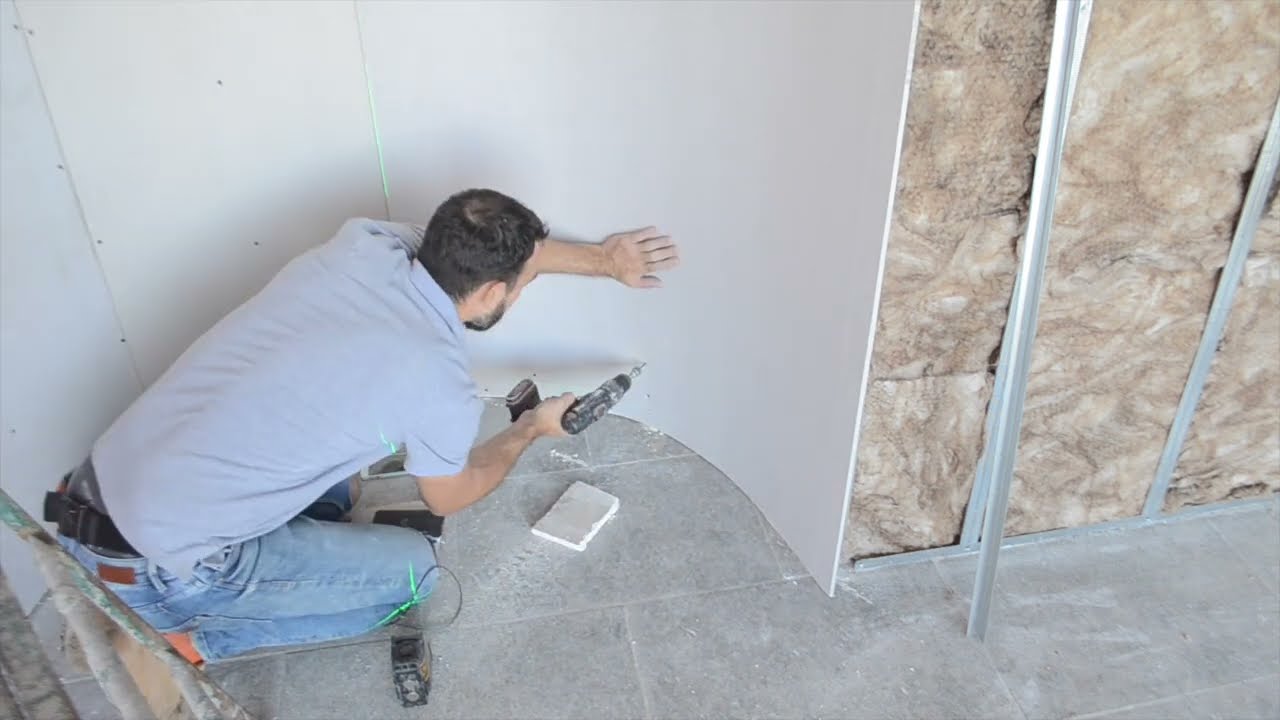
For remodeling, additions, and new construction, professional Drywall Installation Lake Charles LA can create clean, finished surfaces throughout residential or commercial spaces. Proper measurements, panel placement, fastening, and joint treatment are important for achieving consistent results. A carefully installed wall system can also make subsequent painting and decorative work easier while reducing visible imperfections across large interior areas.
Selecting Appropriate Materials
Different rooms and property conditions may require different drywall materials and installation approaches. Standard panels can work well in many interior areas, while moisture-resistant or specialized products may be more suitable in locations exposed to humidity or specific environmental conditions. Discussing the project’s requirements before materials are purchased can help ensure the selected products match the intended use of each space.
Preparing Surfaces Correctly
Surface preparation has a major effect on the final appearance of drywall. Seams, fastener locations, corners, and transitions should be treated carefully before sanding and finishing. Rushing through these stages can leave visible ridges, uneven areas, or imperfections after paint is applied. Proper preparation creates a smoother surface and gives the finished room a more consistent appearance under different lighting conditions.
Coordinating Multiple Construction Tasks
Interior projects often involve several trades working at different stages. Electrical work, plumbing, insulation, framing, drywall, painting, flooring, and trim may all need to follow a specific sequence. General contracting services can help coordinate these activities so that one stage does not unnecessarily interfere with another. Clear scheduling and communication can make the overall project easier to manage from beginning to completion.
Managing the Broader Project
Choosing General contracting services can be useful when a project involves several connected construction tasks rather than a single isolated repair. A general contractor may coordinate workers, materials, scheduling, and different phases of construction. This approach can provide a central point of communication and help keep the project organized when multiple improvements need to be completed within the same property.
Paying Attention to Room Layouts
Drywall work can influence how a room ultimately looks and functions. Wall placement affects furniture arrangements, door openings, lighting positions, storage areas, and the overall flow between spaces. During renovations, it is important to consider these details before walls are permanently finished. Thoughtful planning can help ensure the completed layout supports both practical needs and the property’s intended design.
Addressing Existing Wall Problems
Older walls may contain cracks, dents, holes, stains, or previous repair marks that need attention before new finishing work begins. Simply covering these problems without addressing their underlying cause can result in imperfections returning later. A professional assessment can determine whether damaged sections should be repaired, replaced, reinforced, or prepared differently before the final surface treatment is applied.
Maintaining Consistent Finishes
A consistent finish is especially important when drywall connects with existing walls or ceilings. Differences in texture, surface level, or paint absorption can become noticeable once the work is completed. Proper blending, sanding, priming, and finishing techniques can help create a more uniform transition. Attention to these details is particularly valuable when only one section of a larger room is being renovated.
Considering Project Scheduling
Construction projects can become frustrating when individual tasks are completed without considering the next stage. Drywall installation, for example, may need to follow framing, insulation, and certain utility work while preceding painting and trim installation. Building a realistic sequence helps contractors and property owners understand when each stage should occur and can reduce unnecessary interruptions during the project.
Focusing on Workmanship
Quality workmanship is determined by more than how quickly a project is completed. Straight lines, properly secured panels, carefully finished joints, clean corners, and smooth surfaces all contribute to the final result. Taking time to inspect completed work before moving to the next phase can help identify small issues while they are still easier to correct.
Protecting the Finished Interior
Once walls have been completed, they should be protected while other construction activities continue. Flooring installation, electrical work, cabinetry, and moving materials through the property can potentially damage freshly finished surfaces. Coordinating the order of work and protecting completed areas can reduce unnecessary repairs and help preserve the quality of the finished interior throughout the remainder of the project.
Building Toward a Finished Space
Successful interior construction combines planning, appropriate materials, skilled installation, and careful coordination. Whether a property needs new walls, repairs, remodeling, or several connected improvements, each stage contributes to the final outcome. By emphasizing preparation and communication from the beginning, property owners can create interiors that are functional, visually consistent, and ready for the finishing touches that complete the space.



Join the conversation