

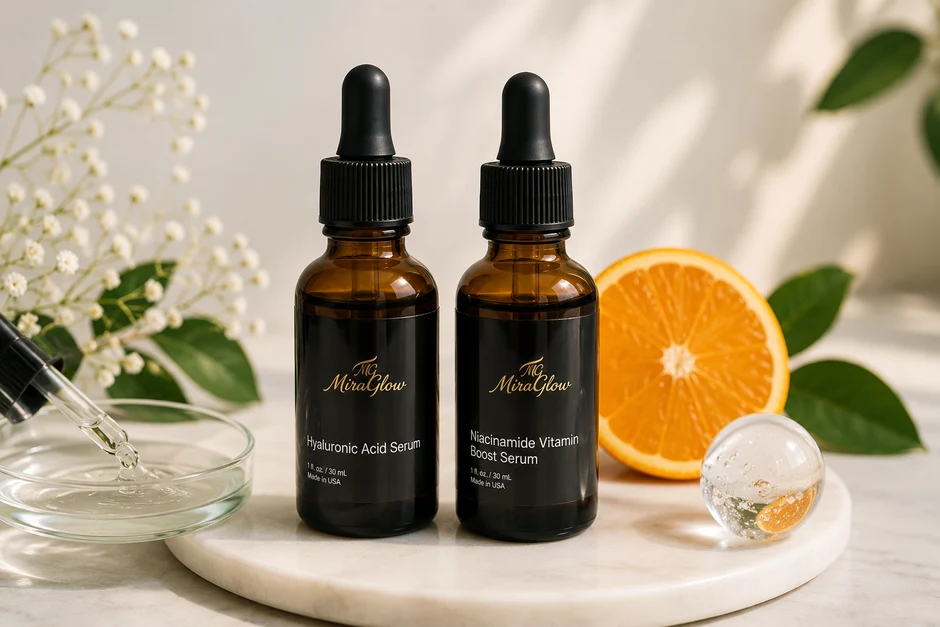

Building an effective skincare routine does not always mean using multiple complicated products. Sometimes, combining two well-known skincare ingredients can make your routine more practical and effective.
Vitamin C and hyaluronic acid are popular ingredients that serve different purposes. Vitamin C is an antioxidant commonly used to improve the appearance of uneven skin tone and protect against environmental oxidative stress. Hyaluronic acid is a humectant that attracts water and helps maintain skin hydration.
When used together, these ingredients can complement each other and support a brighter, smoother, and more hydrated-looking complexion.
However, understanding the correct application order is important. Here is everything you need to know about layering vitamin C and hyaluronic acid.
1. Understand What Vitamin C Does for Your Skin
Vitamin C is a powerful antioxidant widely used in skincare products. It helps protect the skin against oxidative stress caused by environmental factors, including exposure to ultraviolet radiation.
Topical vitamin C is also associated with supporting collagen production and improving the appearance of uneven pigmentation, fine lines, and dullness.
Some potential benefits include:
Helping improve the appearance of dark spots.
Supporting a more even-looking skin tone.
Providing antioxidant protection.
Supporting collagen-related skin functions.
Improving the appearance of dull and tired-looking skin.
Vitamin C comes in different forms. L-ascorbic acid is the most researched form, while derivatives such as sodium ascorbyl phosphate and magnesium ascorbyl phosphate are also used in skincare formulations.
If you have sensitive skin, consider starting with a lower-strength or gentler formulation.
2. Understand the Benefits of Hyaluronic Acid
Hyaluronic acid is naturally present in the human body and plays an important role in retaining moisture.
In skincare, it works as a humectant, attracting water to the outer layers of the skin. This can help improve the appearance of dryness, fine dehydration lines, and rough texture.
Its benefits include:
Helping maintain skin hydration.
Making skin appear smoother and plumper.
Reducing the appearance of dehydration lines.
Supporting a comfortable skin feel.
Complementing other skincare ingredients.
Unlike some exfoliating or highly concentrated active ingredients, hyaluronic acid is generally well tolerated by many skin types.
3. Can You Use Vitamin C and Hyaluronic Acid Together?
Yes! Vitamin C and hyaluronic acid can be used together in the same skincare routine. They have different functions, which makes them a complementary combination for many skin types.
Vitamin C helps improve the appearance of dullness and uneven skin tone, while hyaluronic acid supports hydration. Together, they can help your complexion look brighter, smoother, and more refreshed.
If you experience dryness when using vitamin C, adding a hydrating serum may also make your routine feel more comfortable.
4. What Is the Correct Order for Layering These Ingredients?
The general rule for layering skincare products is to apply lighter formulations before heavier ones. This allows you to build your routine without applying thick products before lightweight serums.
If you are using separate vitamin C and hyaluronic acid serums, follow this order:
Start with a gentle cleanser to remove dirt, excess oil, and impurities. Pat your face dry with a clean towel.
Apply a few drops of vitamin C serum to clean, dry skin. Gently spread it across your face and neck, avoiding the immediate eye area.
Allow the serum to absorb before moving to the next step.
Follow with a hyaluronic acid serum. You can apply it to slightly damp skin if the product directions allow.
Gently pat the serum into your skin. Avoid excessive rubbing, especially if your skin is sensitive.
Use a suitable moisturizer to help maintain hydration and support your skin barrier.
Choose a lightweight moisturizer for oily skin or a richer cream if your skin tends to be dry.
During the day, always finish your routine with broad-spectrum sunscreen with SPF 30 or higher.
Vitamin C does not replace sunscreen. Both can complement each other in a daytime skincare routine.
5. Should You Use Vitamin C and Hyaluronic Acid in the Morning or at Night?
Both ingredients can be used in morning and evening skincare routines.
However, vitamin C is commonly recommended for morning use because of its antioxidant properties. It helps protect the skin against oxidative stress caused by environmental factors.
Hyaluronic acid can be used in the morning and evening to support hydration.
Here is a simple routine to follow:
Morning:
Gentle facial cleanser
Vitamin C serum
Hyaluronic acid serum
Moisturizer
Broad-spectrum sunscreen
Evening:
Gentle facial cleanser
Hyaluronic acid serum
Moisturizer
You do not necessarily need to use vitamin C twice daily. Follow the product instructions and choose a frequency that your skin tolerates comfortably.
6. Tips for Using These Ingredients on Sensitive Skin
Although vitamin C and hyaluronic acid are generally compatible, individual skin reactions can vary.
Vitamin C, particularly stronger L-ascorbic acid formulations, may cause temporary redness, dryness, or stinging in some people.
To introduce these ingredients safely, consider the following tips:
Start with a lower-strength vitamin C formulation.
Introduce one new product at a time.
Perform a patch test before applying a new serum to your face.
Avoid applying products to broken or irritated skin.
Use a moisturizer to support your skin barrier.
Stop using a product if you experience persistent irritation.
If you have sensitive skin or an existing skin condition, consult a dermatologist before introducing stronger active ingredients.
7. Common Mistakes to Avoid When Layering Serums
Even beneficial skincare ingredients may not deliver the expected results if used incorrectly.
Here are some common mistakes to avoid.
Using Too Much Product: Applying excessive amounts of serum does not necessarily improve results. Follow the recommended quantity on the product label.
Skipping Moisturizer: Serums are not always enough to maintain skin hydration. A moisturizer helps complete your routine.
Forgetting Sunscreen: Vitamin C offers antioxidant support but cannot replace proper sun protection.
Introducing Multiple Products Together: Starting several new active ingredients at once makes it difficult to identify which product is causing irritation.
Expecting Overnight Results: Skincare improvements take time. Consistent use and realistic expectations are important.
Conclusion
Vitamin C and hyaluronic acid make a useful combination for people looking to improve skin hydration and achieve a brighter-looking complexion.
Vitamin C provides antioxidant benefits and helps improve the appearance of uneven skin tone. Hyaluronic acid attracts moisture and helps the skin look plumper and smoother.
For a simple routine, cleanse first, apply vitamin C, follow with hyaluronic acid, use moisturizer, and finish with sunscreen during the day.
At MiraGlow, we believe that effective skincare begins with understanding your skin and choosing ingredients that work well together. Keep your routine simple, introduce new products gradually, and give your skin time to respond.



Join the conversation